
Mass Protests Erupt Across Spain Over Housing Crisis Following Rejection of Tenant Protections

MADRID — October 3, 2026
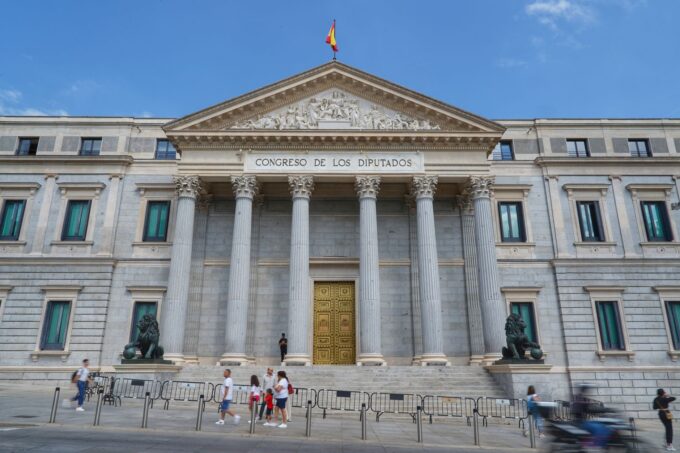
Tens of thousands of protesters gathered across Spain today, voicing their discontent over the escalating housing crisis. This significant mobilization follows the recent rejection of tenant protection measures by the Spanish Parliament, which has intensified public frustration regarding housing affordability and accessibility.
The protests unfolded in major cities including Madrid, Barcelona, and Valencia, where demonstrators expressed their anger over rising rents and the lack of adequate housing policies. The rejection of the proposed tenant protections, which aimed to limit rent increases and provide greater security for renters, has been a catalyst for this widespread unrest.
The parliamentary vote occurred on October 2, 2026, when lawmakers failed to pass a series of measures designed to address the housing crisis that has plagued Spain for years. The decision was met with immediate backlash from housing advocacy groups and citizens alike, who argue that the government is failing to protect vulnerable populations from the impacts of gentrification and soaring rental prices.
Key figures involved in the protests include representatives from various social movements and political parties, such as Podemos and the Spanish Socialist Workers’ Party (PSOE), who have been vocal in their criticism of the government’s inaction. The protests are also supported by grassroots organizations advocating for housing rights, which have been instrumental in mobilizing public sentiment against the current housing policies.
The trigger for this unrest can be traced back to a combination of factors, including the ongoing economic challenges exacerbated by the COVID-19 pandemic, which has left many citizens struggling to afford basic living expenses. The rejection of tenant protections has been perceived as a failure of the government to address these pressing issues, leading to a surge in public demonstrations.
This story is receiving heightened attention now due to the scale of the protests and the potential political ramifications. Analysts suggest that the public outcry could lead to significant shifts in the political landscape, with calls for a snap election gaining momentum as dissatisfaction with the current administration grows.
The implications of these protests extend beyond local concerns, as they highlight a broader trend of housing crises affecting urban centers globally. The situation in Spain serves as a case study for other nations grappling with similar issues, raising questions about the effectiveness of current housing policies and the role of government in ensuring affordable housing for all citizens.
Looking ahead, it is plausible that the protests will continue to escalate, potentially leading to further political action. Lawmakers may be compelled to revisit the rejected tenant protection measures in response to public pressure. Additionally, the protests could galvanize opposition parties, prompting them to leverage the housing crisis as a key issue in upcoming elections. The outcome of these developments will be closely monitored, as they could significantly influence Spain’s political and social landscape in the months to come.
Source: BBC










Housing Crisis Protests Erupt in Spain Following Rejection of Tenant Protection Measures
Protests across Spain intensify as Parliament rejects crucial tenant protection measures amid...
 2 Mins read

Tens of Thousands Protest Housing Crisis Across Spain
Massive demonstrations signal escalating public discontent over housing affordability and government inaction.
2 Mins read


Spain Erupts in Housing Protests Following Rejection of Tenant Protections
Widespread protests across Spain signal significant public unrest over housing policies after...
2 Mins read

Former Eli Lilly Executive Sells Wyoming Estate for Nearly $39.5 Million
The recent sale of a Wyoming estate by a former Eli Lilly...
2 Mins read
Leave a comment