
Tens of Thousands Protest Housing Crisis Across Spain

MADRID — October 3, 2026
Today, tens of thousands of Spaniards took to the streets in cities across the country to protest the ongoing housing crisis, marking a significant escalation in public response to an issue that has been increasingly pressing for many citizens. The protests, organized by various grassroots movements and supported by labor unions, reflect widespread frustration over soaring rental prices and the lack of affordable housing options.
The demonstrations occurred in major cities including Madrid, Barcelona, Valencia, and Seville, with estimates suggesting that over 100,000 people participated nationwide. In Madrid alone, approximately 50,000 protesters gathered in the central Plaza de Cibeles, demanding immediate government action to address the housing affordability crisis.
The trigger for these protests stems from a combination of factors, including a sharp increase in rental prices—up by 30% in some urban areas over the past year—and a stagnation in wages. Many demonstrators carried signs reading “Housing is a Right” and “Stop the Rent Hikes,” emphasizing their demand for government intervention to regulate the rental market and increase the availability of affordable housing.
Key players in this situation include the Spanish government, led by Prime Minister Pedro Sánchez, and various local authorities who have been criticized for their slow response to the housing crisis. The protests come on the heels of a recent report from the National Institute of Statistics, which revealed that nearly 40% of Spanish households are now spending more than 30% of their income on housing, a threshold often used to define housing affordability issues.
This story is receiving significant attention now due to the sheer scale of the protests and the potential implications for political stability in Spain. With national elections scheduled for early 2027, the housing crisis could become a pivotal issue that influences voter sentiment and party platforms. The protests signal a growing discontent that could lead to increased pressure on the government to enact reforms.
Locally, the protests highlight the urgent need for policy changes to address housing affordability, which is a critical issue for many families. Nationally, the demonstrations could reshape the political landscape as parties may be forced to respond to the demands of the electorate. Regionally, Spain’s housing crisis mirrors similar challenges faced by other European nations, raising questions about broader economic policies and social safety nets.
Looking ahead, the immediate next steps will likely involve negotiations between government officials and housing advocacy groups. There may be calls for emergency sessions in the Spanish Parliament to discuss potential legislative measures aimed at curbing rent increases and increasing the supply of affordable housing. Additionally, if the protests continue to grow, they could lead to a reevaluation of the current government’s approach to housing policy, potentially impacting the upcoming elections.
Source: BBC








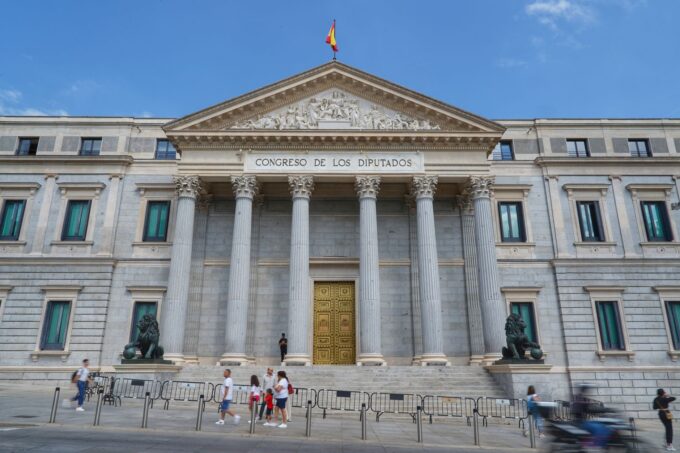
Spain Erupts in Housing Protests Following Rejection of Tenant Protections
Widespread protests across Spain signal significant public unrest over housing policies after...
 2 Mins read
Former Eli Lilly Executive Sells Wyoming Estate for Nearly $39.5 Million
The recent sale of a Wyoming estate by a former Eli Lilly...
2 Mins read

Chrysler Heir’s Palm Beach Gem Changes Hands for $29 Million
Explore the recent sale of a stunning Palm Beach mansion by a...
 ABL3 Mins read



A New Era in Miami’s Design District: High-Profile Leases Signal Growth
Explore the latest developments in Miami's Design District as elite firms like...
ABL3 Mins read

Leave a comment