
Spain Erupts in Housing Protests Following Rejection of Tenant Protections
MADRID — October 3, 2026
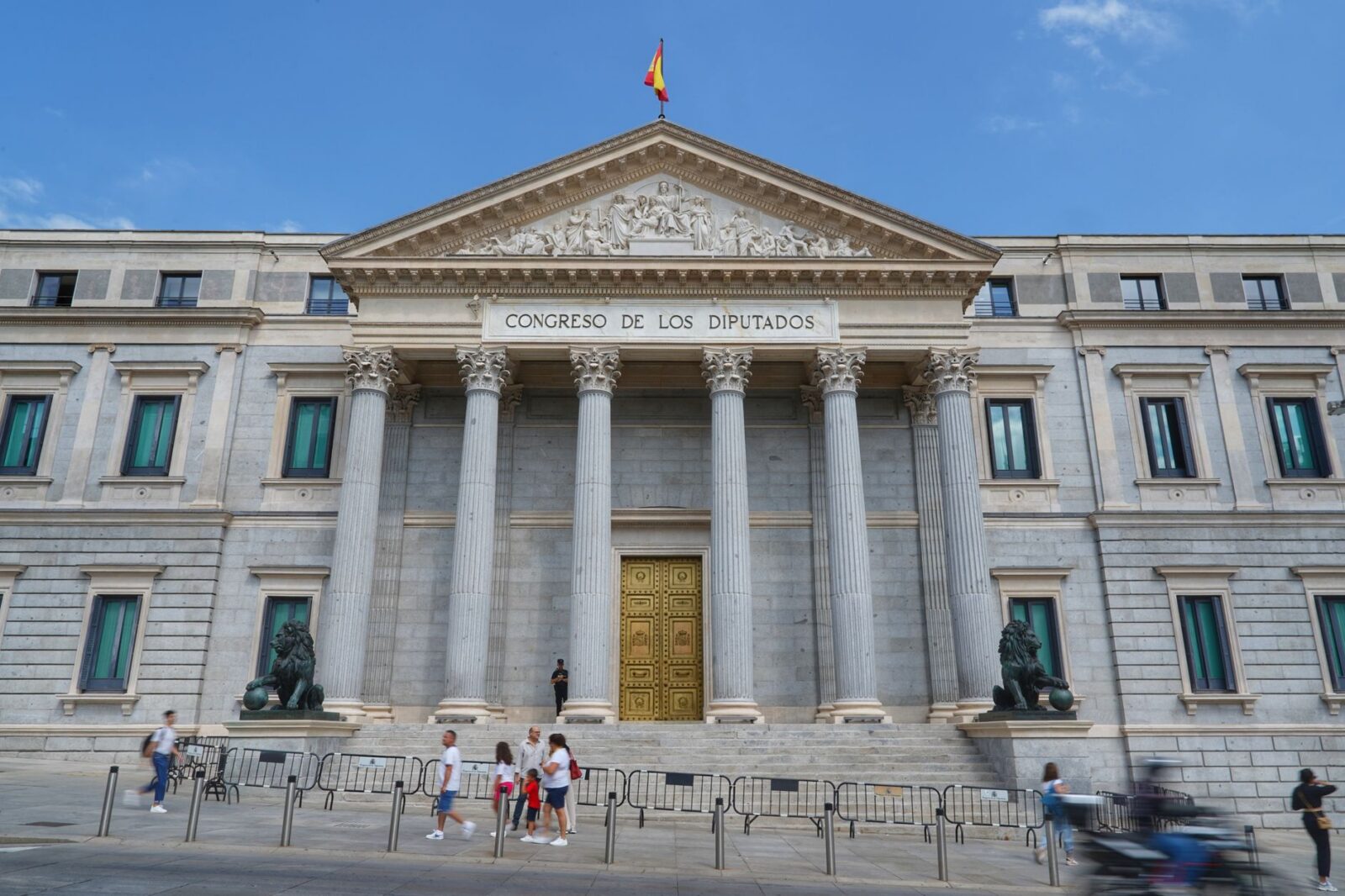
Spain is witnessing a wave of housing protests in over 50 cities following the parliament’s rejection of proposed tenant protections. This decision has ignited public outrage, reflecting deep-seated frustrations regarding the country’s housing crisis.
The protests erupted on October 2, 2026, after the Spanish parliament voted against a bill aimed at introducing stronger protections for tenants, including measures to limit rent increases and enhance security for renters. The rejection of these protections has been met with immediate backlash from various social groups, including tenant unions and housing advocacy organizations.
Key players in this development include the Spanish government, led by Prime Minister Pedro Sánchez, and opposition parties that have criticized the government’s handling of the housing crisis. The proposed tenant protections were part of a broader effort to address the rising cost of living and housing affordability, particularly in urban areas like Madrid and Barcelona, where rents have surged in recent years.
The trigger for this widespread unrest can be traced back to the ongoing housing affordability crisis in Spain, exacerbated by the economic fallout from the COVID-19 pandemic and subsequent inflationary pressures. Many citizens are struggling to find affordable housing, leading to increased calls for government intervention.
The financial stakes are significant, with the real estate market in Spain valued at approximately €1.5 trillion. The rejection of tenant protections raises concerns about the potential for further rent hikes, which could destabilize the housing market and exacerbate social inequalities.
This story is receiving heightened attention now due to the scale of the protests and the potential implications for housing policy in Spain. The protests have drawn thousands of participants, signaling a growing movement that could influence future legislative decisions. Social media has amplified the voices of demonstrators, making the issue a focal point of public discourse.
The significance of these protests extends beyond local concerns; they reflect a broader trend of discontent with housing policies across Europe. As cities grapple with similar challenges, Spain’s situation may serve as a bellwether for other nations facing housing crises.
Looking ahead, the immediate future may see increased pressure on the Spanish government to revisit tenant protection measures. Lawmakers may be compelled to engage in dialogue with protest leaders and housing advocates to address the underlying issues. Additionally, if protests continue to escalate, there could be implications for the stability of the current government, potentially influencing upcoming elections and legislative agendas.
Source: Euronews.com









Former Eli Lilly Executive Sells Wyoming Estate for Nearly $39.5 Million
The recent sale of a Wyoming estate by a former Eli Lilly...
 2 Mins read

Chrysler Heir’s Palm Beach Gem Changes Hands for $29 Million
Explore the recent sale of a stunning Palm Beach mansion by a...
 ABL3 Mins read



A New Era in Miami’s Design District: High-Profile Leases Signal Growth
Explore the latest developments in Miami's Design District as elite firms like...
ABL3 Mins read

Larry Ellison Relists North Palm Beach Estate for Record $165 Million
Larry Ellison's luxurious oceanfront estate in North Palm Beach has been relisted...
1 Mins read
Leave a comment