
Housing Crisis Protests Erupt in Spain Following Rejection of Tenant Protection Measures

MADRID — October 3, 2026
Fresh protests erupted across Spain on October 3, 2026, following the Spanish Parliament’s rejection of proposed tenant protection measures aimed at addressing the ongoing housing crisis. This significant public outcry underscores the growing frustration among citizens regarding housing affordability and tenant rights.
The protests were triggered by the Parliament’s decision to dismiss a set of reforms that would have introduced stronger protections for renters, including limits on rent increases and enhanced security of tenure. The rejection of these measures has been met with widespread condemnation from tenant advocacy groups, social organizations, and a significant portion of the public, who argue that the current housing market is increasingly inaccessible.
Key players in this development include the Spanish government led by Prime Minister Pedro Sánchez, the opposition parties, and various civil society organizations advocating for tenant rights. The proposed reforms were part of a broader legislative package aimed at alleviating the housing crisis that has seen rents soar in major cities like Madrid and Barcelona, where many residents struggle to afford basic housing.
The housing crisis in Spain has been exacerbated by a combination of factors, including a surge in demand for rental properties, insufficient housing supply, and the economic fallout from the COVID-19 pandemic. According to recent reports, rental prices in major urban areas have increased by over 30% in the past three years, pushing many families to the brink of financial instability.
The timing of these protests is particularly significant, as they coincide with a broader national conversation about housing rights and economic inequality. The rejection of tenant protections has galvanized public sentiment, leading to organized demonstrations in cities such as Madrid, Barcelona, and Valencia, where thousands have taken to the streets to voice their discontent.
This situation matters not only locally but also nationally, as it highlights the urgent need for comprehensive housing reform in Spain. The protests reflect a growing awareness of social justice issues and the demand for government accountability in addressing the needs of vulnerable populations. The implications of this unrest could resonate throughout Europe, where similar housing crises are being witnessed in various forms.
Looking ahead, the Spanish government may face increasing pressure to revisit the rejected tenant protection measures or propose alternative solutions to address the housing crisis. Continued public demonstrations could lead to a reevaluation of housing policies, potentially influencing upcoming legislative sessions and elections. The situation remains fluid, and stakeholders will be closely monitoring developments as the protests unfold.
Source: تسنیم










Mass Protests Erupt Across Spain Over Housing Crisis Following Rejection of Tenant Protections
Tens of thousands of Spaniards took to the streets today to protest...
 2 Mins read

Tens of Thousands Protest Housing Crisis Across Spain
Massive demonstrations signal escalating public discontent over housing affordability and government inaction.
2 Mins read
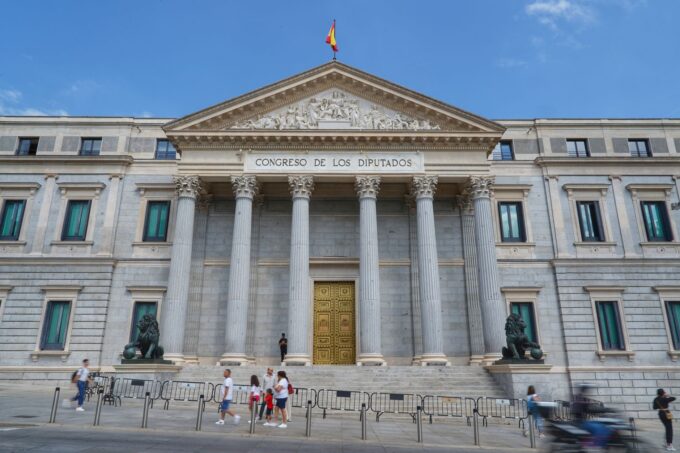


Spain Erupts in Housing Protests Following Rejection of Tenant Protections
Widespread protests across Spain signal significant public unrest over housing policies after...
2 Mins read

Former Eli Lilly Executive Sells Wyoming Estate for Nearly $39.5 Million
The recent sale of a Wyoming estate by a former Eli Lilly...
2 Mins read
Leave a comment