
The Changing Landscape of Private Jet Ownership in Australia
Introduction
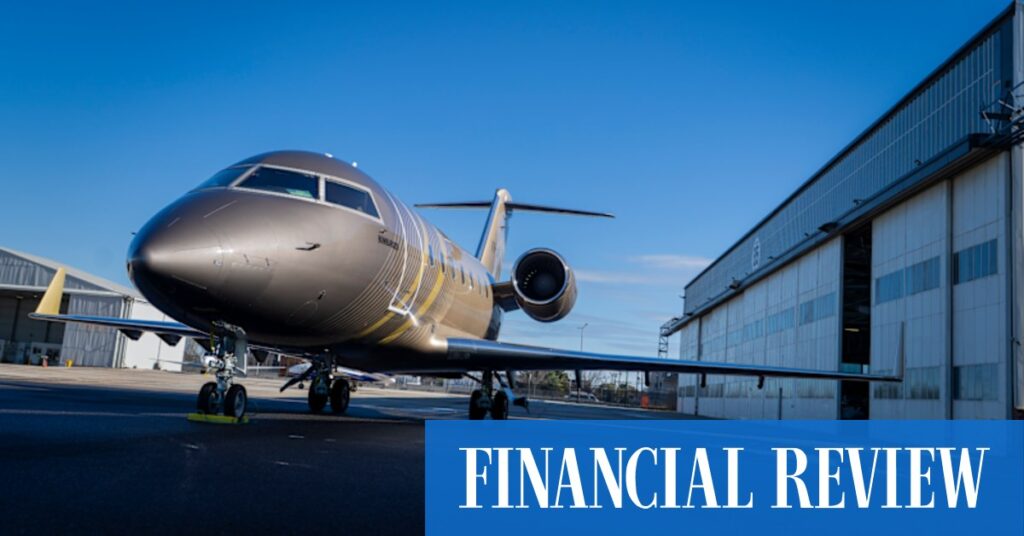
On August 1, 2025, the world of private jet ownership in Australia witnessed a significant shift. The revelation that Mike Cannon-Brookes, co-founder of Atlassian and a prominent climate advocate, had acquired a Bombardier Global 7500—valued at approximately $120 million—signaled a new era in the aviation sector. This article explores the implications of this purchase, the evolving demographics of private jet owners, and the broader context of luxury aviation in Australia.
A New Breed of Owners
Traditionally, the realm of private jet ownership in Australia has been dominated by mining and real estate magnates. Figures like Andrew Forrest and Frank Lowy epitomized this elite group, leveraging their wealth from resource extraction and property development to invest in luxurious aircraft. However, Cannon-Brookes’ acquisition represents a shift towards a more diverse ownership base, highlighting the intersection of wealth and environmental advocacy.
Cannon-Brookes is not just a billionaire; he is a vocal proponent of sustainable practices and climate action. His decision to invest in a private jet raises questions about the environmental impact of such luxury purchases and the responsibilities of wealthy individuals in addressing climate change.
The Bombardier Global 7500: A Symbol of Luxury
The Bombardier Global 7500 is not merely a mode of transport; it is a statement of opulence and technological advancement. With a starting price of around $120 million, this aircraft boasts impressive features, including a range of over 7,700 nautical miles, advanced avionics, and luxurious interiors designed for comfort and productivity.
For Cannon-Brookes, the choice of this specific model may reflect a desire for efficiency and performance, aligning with his business acumen. However, it also raises the question of how such luxury can coexist with a commitment to sustainability. The aviation industry is under increasing scrutiny for its carbon footprint, and high-profile owners like Cannon-Brookes are in a unique position to influence public perception and industry practices.
The Environmental Debate
The acquisition of a private jet by a climate advocate like Cannon-Brookes ignites a complex debate about the ethics of luxury consumption in the face of climate change. Critics argue that private jets contribute significantly to greenhouse gas emissions, and ownership by those advocating for environmental responsibility can appear hypocritical.
However, proponents of private aviation argue that these aircraft can serve as tools for efficiency, enabling business leaders to travel quickly and effectively, thereby fostering economic growth. Moreover, some manufacturers are investing in sustainable aviation fuel and electric aircraft, potentially mitigating the environmental impact of private flying.
The Future of Private Aviation
As the landscape of private jet ownership evolves, it is essential to consider the implications for the aviation industry and society at large. The entry of tech entrepreneurs and climate advocates into this space may inspire a new wave of innovation focused on sustainability.
The demand for environmentally friendly aviation solutions is likely to grow, prompting manufacturers to accelerate their efforts in developing greener technologies. This shift could lead to a more sustainable model of private aviation, where luxury and environmental responsibility coexist.
Conclusion
The purchase of a Bombardier Global 7500 by Mike Cannon-Brookes marks a pivotal moment in the narrative of private jet ownership in Australia. It challenges traditional notions of wealth and responsibility, inviting a broader conversation about the role of luxury in a world increasingly focused on sustainability. As the aviation industry adapts to these changing dynamics, the future of private flying may very well hinge on the choices made by its most influential figures.








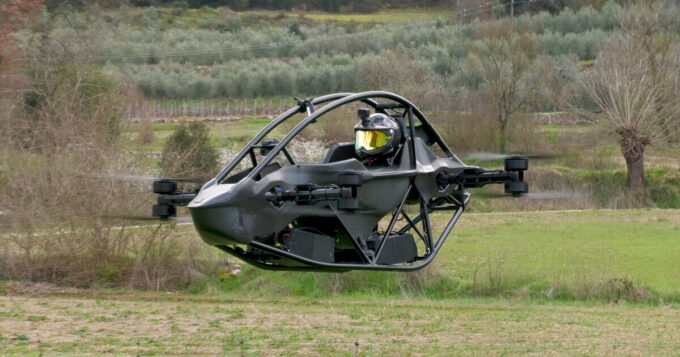
Jetson One 2026: A Personal eVTOL Priced at 148,000 Signals New Era for Recreational Flight
Presented as the world’s first personal air vehicle, the Jetson One 2026...
 ABL2 Mins read
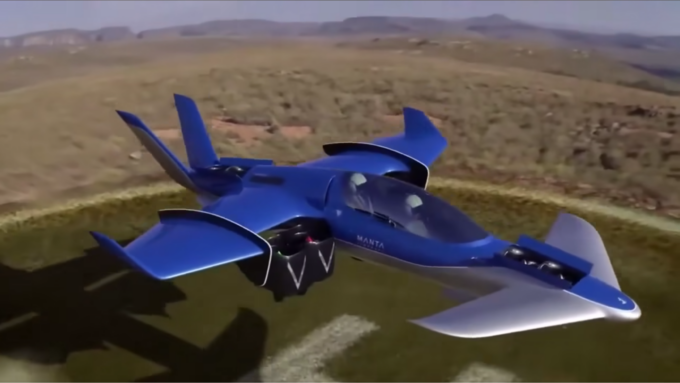
Hybrid‑Electric VTOLs and the Convergence of Aviation and Smart Mobility
Ethen Laing of LAING International frames hybrid‑electric VTOL concepts—exemplified by Manta Aircraft—as...
ABL2 Mins read
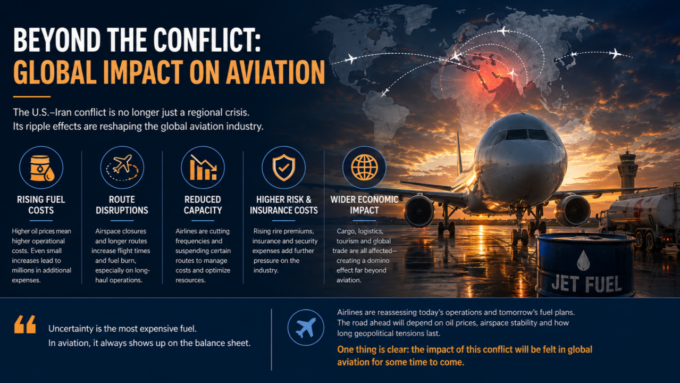
Jet Fuel Shockwaves: How U.S.–Iran Tensions Are Reshaping Airline Operations
Escalating U.S.–Iran tensions are forcing airlines to reassess fuel planning, curtail flights...
ABL2 Mins read
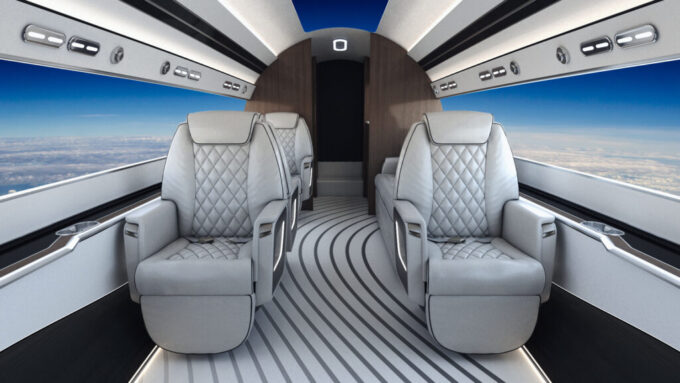


Luxury Jet Swaps Cabin Windows for Video Screens
The Future of Air Travel: Windowless Jets and Virtual Views For many...
ABL3 Mins read
