
Figma’s Revolutionary AI: Redefining Collaborative Design in Miami
Elevating the Design Landscape
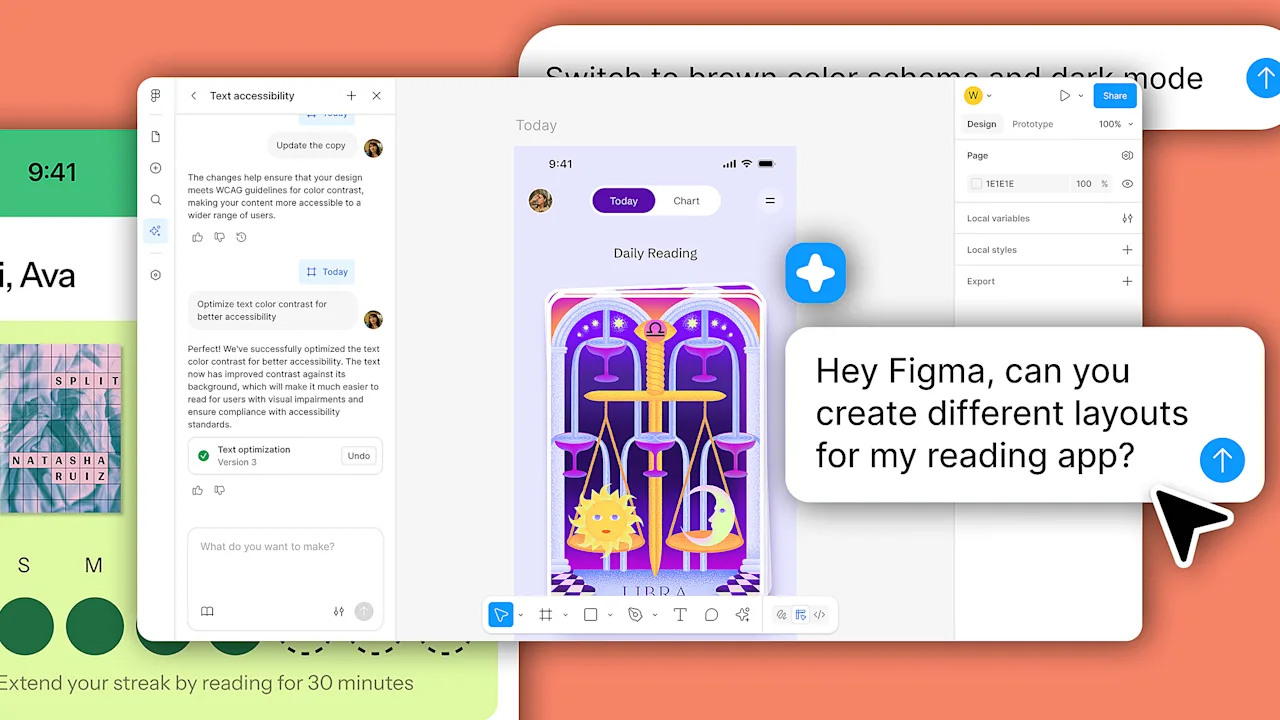
In a significant leap forward for digital design, Figma has unveiled an AI-powered tool that seamlessly integrates into its collaborative platform. This innovative feature promises to enhance the design process, allowing both seasoned professionals and newcomers to engage in creative endeavors with unprecedented ease. It transforms the traditional drafting board into an interactive workspace, where both human intuition and artificial intelligence coalesce to elevate design quality.
The New Era of Collaboration
Gone are the days of isolated prompts and disjointed workflows. Figma’s new AI agents offer multiple digital assistants right at the creators’ fingertips, enabling real-time adjustments and collaborative exploration of design elements. By integrating this technology directly into the workspace, Figma allows teams to work alongside AI, blurring the lines between human creativity and machine efficiency.
Redefining the Role of the Designer
This tool not only optimizes the workload of experienced designers but also democratizes the design process, opening up opportunities for non-designers to contribute creatively. The potential for innovation is immense; however, it raises a critical question about the implications of such democratization. Will the influx of non-experts dilute the quality of design, or will it inspire a new wave of creativity? Figma’s chief design officer Loredana Crisan emphasizes that while AI can handle the labor-intensive aspects of design, the essence of true creativity remains rooted in human taste and discernment.
Balancing Automation with Artisan Skills
Crisan articulates a compelling vision: automation elevates the baseline quality of design, empowering novices while simultaneously pushing skilled designers to explore new heights. Her perspective underscores a fundamental truth in the creative sector: the most successful outcomes arise from the synergy between human insight and machine assistance. This underscores the importance of maintaining a delicate balance where automation enhances rather than replaces the unique artisan skills of designers.
Local Context: The Secret to Unique Outputs
A notable feature of Figma’s AI tool is its emphasis on local context. By leveraging a diverse array of models tailored to specific design tasks, Figma ensures that the outputs resonate with the unique needs and aesthetics of each team. This contextual awareness ensures that the AI doesn’t operate in a vacuum; rather, it fosters an environment where creative professionals can harness AI to spark new ideas while retaining control over the design narrative.
Bridging the Gap Between Design and Engineering
While the AI tool enhances the design process, the transition from conceptual art to functional applications often presents challenges. Figma’s recent advancements, particularly the Model Context Protocol (MCP), aim to streamline this journey, allowing designers to create layouts that are not only visually appealing but also technically feasible. Crisan acknowledges that while AI tools can mitigate some of the friction between design and engineering, the collaborative effort between these disciplines remains crucial for success.
A Future of Possibilities
As Figma continues to innovate, it prompts a broader conversation about the role of AI in creative fields. The potential for AI to handle mundane tasks offers designers the opportunity to focus on the intricate details that define exceptional work. However, as Crisan warns, reliance on technology requires a mindful approach. The challenge lies in leveraging AI as an assistant rather than a crutch, ensuring that the final 20% of a design—often the most critical—reflects the unique vision and expertise of its creator.
Editorial note: This article was created by A Bit Lavish Miami’s Magazine as an original editorial reinterpretation based on publicly available reporting. Original source: fastcompany.com. Read the original article here: https://www.fastcompany.com/91545179/figma-ai-agent-tool.
Images are used for editorial reference with source credit. If an image requires correction or removal, please contact A Bit Lavish.









2026 New York Mets Face Disastrous Season Amidst Organizational Turmoil
The performance of the 2026 Mets highlights critical issues in sports management...
 1 Mins read
From Tech Titan to Print Pioneer: A Journey of Entrepreneurial Empowerment
Explore the transformative experience of a former Amazon executive who transitioned into...
2 Mins read



Beyond the AI Hype: Cultivating Trust as the Cornerstone of Effective Leadership
In an age dominated by AI discussions, true leadership is defined by...
2 Mins read

Fox Secures Historic Victory at The Open Championship
Fox's triumph at The Open underscores a pivotal moment in golf, influencing...
1 Mins read