
Israeli Airstrikes in Southern Lebanon Kill Eight Amid Ceasefire Violations
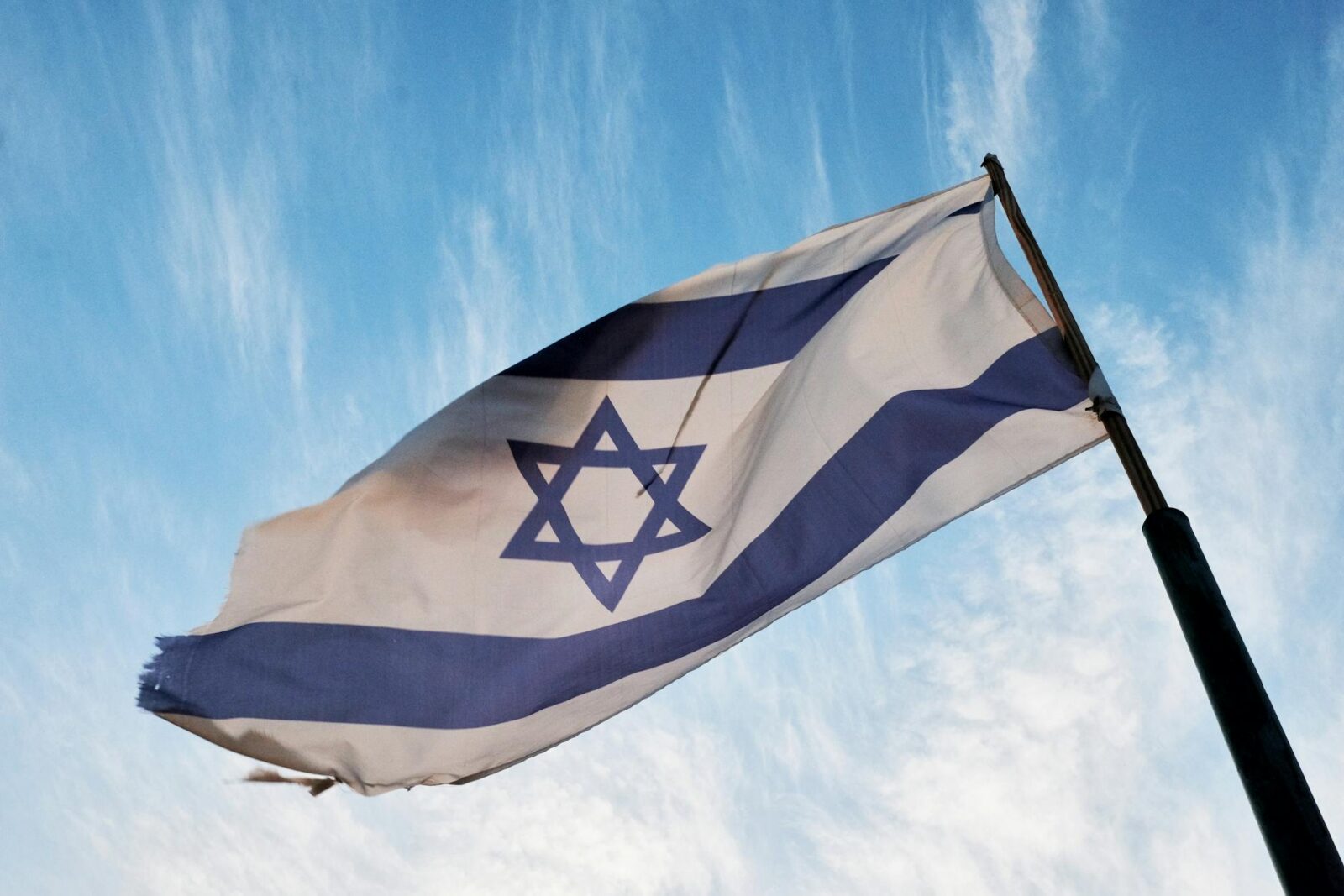
On May 31, 2026, Israeli airstrikes targeted southern Lebanon, resulting in the deaths of eight individuals and injuring several others. This military action occurred despite an existing ceasefire agreement that had been intended to stabilize the volatile region. The airstrikes, which Israel has not officially commented on, are reported to have struck areas near the border that have been previously identified as Hezbollah strongholds.
Hezbollah, the Lebanese militant group backed by Iran, has been a significant player in the ongoing tensions between Israel and Lebanon. The recent airstrikes represent a significant escalation in hostilities, raising concerns among international observers about the potential for renewed conflict in an already unstable area. The Israeli government has long maintained that it will act decisively against any perceived threats from Hezbollah, which it views as a direct adversary. This incident could further complicate diplomatic efforts aimed at achieving lasting peace in the region.
The implications of these airstrikes extend far beyond the immediate casualties. The ongoing violence raises critical questions about the efficacy of international diplomacy in the Middle East. The United Nations and various global leaders have expressed concerns about the potential for a wider conflict, which could destabilize not only Lebanon but also neighboring countries, drawing in regional powers and further complicating the geopolitical landscape.
Looking ahead, the situation remains precarious. If tensions continue to escalate, there is a substantial risk of retaliatory actions from Hezbollah, which could provoke a more extensive military response from Israel. Moreover, the international community, particularly the United States and European nations, may face increased pressure to intervene diplomatically to prevent a full-scale war, underscoring the global stakes involved in this localized conflict.
Source: Anadolu Ajansı
Why It Matters
The recent Israeli airstrikes in southern Lebanon, which resulted in the tragic loss of eight lives, underscore the fragility of peace in a region long plagued by conflict. This military action, occurring amid a ceasefire agreement, raises profound questions about the effectiveness of diplomatic efforts aimed at stabilizing the area. The strikes targeted regions known to be strongholds of Hezbollah, a militant group that has been at the center of tensions between Israel and Lebanon. The situation is further complicated by the backing Hezbollah receives from Iran, which adds layers of geopolitical complexity to an already volatile landscape.
International observers are understandably alarmed by this escalation, as it not only threatens the immediate safety of those in the region but also poses a risk of drawing in neighboring countries. The potential for a wider conflict looms large, with implications that could ripple across the Middle East. The Israeli government’s stance on perceived threats from Hezbollah has historically been one of decisive action, and this incident may further entrench that approach, complicating the already challenging path toward lasting peace.
The ABL Lens
From a luxury lifestyle perspective, the ongoing conflict in the Middle East serves as a stark reminder of the fragility of stability in regions that are often seen as exotic and alluring. While the allure of luxury travel and investment in these areas can be enticing, the reality of geopolitical tensions can overshadow the beauty and potential of the region. For those who appreciate the finer things in life, it is essential to remain informed about the socio-political dynamics that can impact not only safety but also the viability of luxury markets.
As we navigate the complexities of global luxury, it is crucial to recognize that the backdrop of conflict can influence perceptions and decisions. The intersection of luxury and geopolitics is a delicate dance, where the elegance of high-end experiences can be marred by the harsh realities of regional instability. A Bit Lavish encourages its readers to approach these topics with a discerning eye, understanding that the world of luxury is intricately linked to the broader narratives of peace and conflict.
What To Watch Next
As the situation in southern Lebanon continues to unfold, it is essential to keep an eye on several key developments. First, monitor the responses from Hezbollah, as any retaliatory actions could escalate tensions further and provoke a more significant military response from Israel. Additionally, the role of the international community, particularly the United States and European nations, will be critical in shaping the diplomatic landscape. Their potential interventions could either mitigate the risk of conflict or inadvertently exacerbate the situation.
Furthermore, watch for updates from the United Nations and other global organizations as they navigate the delicate balance of diplomacy in the region. Their efforts to broker peace will be vital in determining the future stability of Lebanon and its neighbors. As events unfold, A Bit Lavish will continue to provide insights into how these geopolitical dynamics intersect with the world of luxury and lifestyle, reminding our readers of the importance of awareness in an ever-changing global landscape.










Palantir AI Enables Ukraine to Navigate Russian Air Defenses Effectively
Palantir's AI technology is crucial for Ukraine's military strategy against Russian forces,...
 1 Mins read

France Seizes Shadow Fleet Tanker Near Brittany
The seizure of a 'shadow fleet' tanker underscores escalating tensions over maritime...
1 Mins read

US Aid Reduction Undermines War Crimes Investigations in Ukraine
The decrease in US aid critically hampers investigations into Russian war crimes...
1 Mins read


Ukraine Unveils Advanced Long-Range AI Drone Amidst Russian Military Setbacks
Ukraine's introduction of a long-range AI drone marks a pivotal moment in...
1 Mins read

Leave a comment