
Turkey Hosts Trump Ahead of NATO Summit Amid Global Tensions

In a significant diplomatic maneuver, Turkey is preparing for former U.S. President Donald Trump’s visit to the upcoming NATO summit. This event is set against a backdrop of evolving geopolitical tensions, particularly in Eastern Europe and the Middle East. Turkey’s Foreign Minister, Hakan Fidan, confirmed the arrangements, highlighting the importance of this visit in the context of NATO’s ongoing strategic discussions.
The summit, scheduled for June 7-8, 2026, in Brussels, will gather leaders from NATO member states to address pressing security concerns. Trump’s participation is particularly noteworthy given his previous presidency, during which he often challenged NATO’s collective defense commitments. His return to the international stage could influence the alliance’s cohesion at a time when unity is paramount, especially in light of Russia’s ongoing military activities in Ukraine and its implications for European security.
This visit matters on a global scale as it reflects the shifting dynamics within NATO and the broader implications for international relations. Turkey, strategically located at the crossroads of Europe and Asia, plays a crucial role in NATO’s southern flank and has been instrumental in addressing security challenges, including immigration and terrorism. Trump’s engagement with Turkish leadership may also signal a potential realignment of U.S.-Turkey relations, which have been strained in recent years.
Looking ahead, the outcomes of this summit and Trump’s interactions with NATO allies could redefine the alliance’s future direction and operational priorities. A strengthened U.S.-Turkey partnership could enhance NATO’s strategic posture, while any discord could exacerbate existing rifts within the alliance. As global leaders anticipate the summit, the implications of Trump’s visit will resonate far beyond the conference room, shaping security policies and international relations for years to come.






Palantir AI Enables Ukraine to Navigate Russian Air Defenses Effectively
Palantir's AI technology is crucial for Ukraine's military strategy against Russian forces,...
 1 Mins read

France Seizes Shadow Fleet Tanker Near Brittany
The seizure of a 'shadow fleet' tanker underscores escalating tensions over maritime...
1 Mins read

US Aid Reduction Undermines War Crimes Investigations in Ukraine
The decrease in US aid critically hampers investigations into Russian war crimes...
1 Mins read
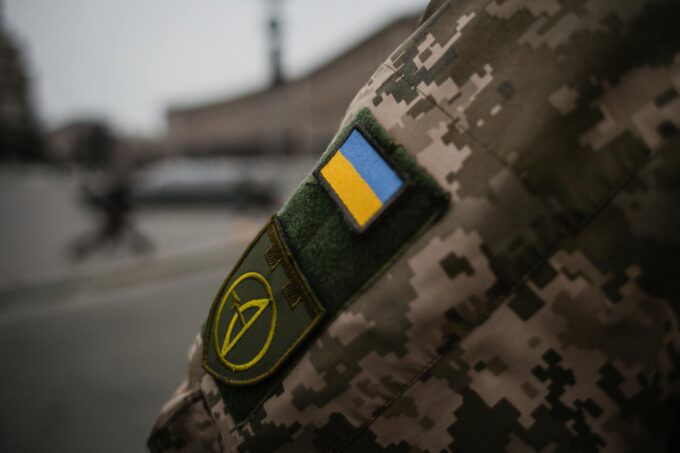


Ukraine Unveils Advanced Long-Range AI Drone Amidst Russian Military Setbacks
Ukraine's introduction of a long-range AI drone marks a pivotal moment in...
1 Mins read

Leave a comment