
Trump Assumes Central Role in Washington’s Development Landscape
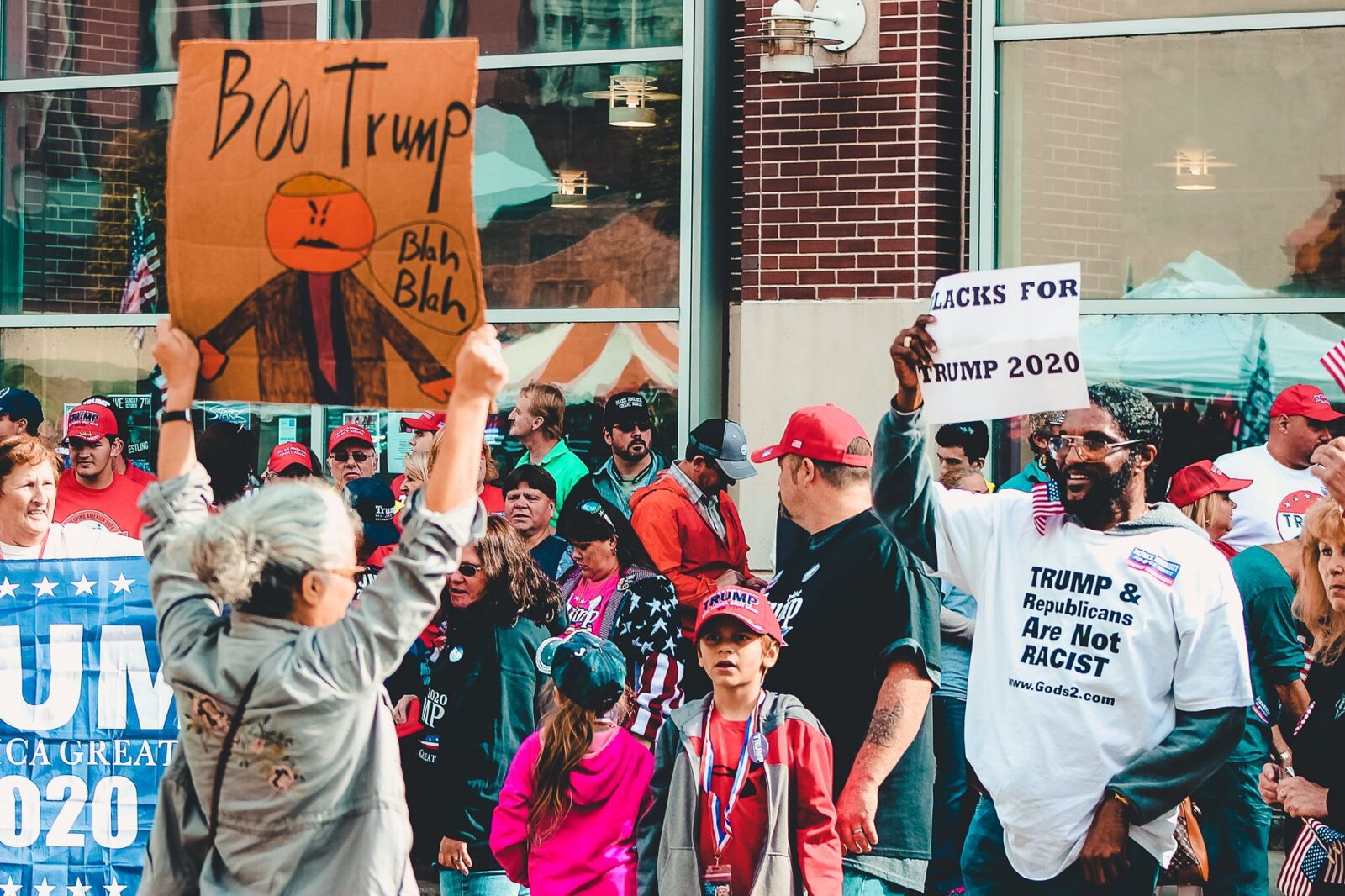
In a striking development, Donald Trump has re-emerged as a pivotal figure in Washington D.C.’s real estate scene, effectively taking on the role of the city’s developer-in-chief. This transformation comes after years of fluctuating political fortunes, illustrating Trump’s enduring influence on urban development and policy. His recent activities include securing high-profile contracts and partnerships that leverage his brand and business acumen to reshape key areas of the capital.
Key stakeholders, including local government officials and private investors, have responded to Trump’s initiatives with a mix of enthusiasm and skepticism. The Trump Organization has reportedly entered into agreements to develop several properties in prime locations, promising to revitalize neighborhoods while also raising concerns about gentrification and displacement of long-time residents. This duality of potential economic growth versus social equity issues reflects a broader trend in urban development that resonates across major cities worldwide.
The global significance of Trump’s re-engagement in D.C. is profound, as it signals a shift in how urban development is approached amidst ongoing discussions about economic recovery post-pandemic. With cities striving to attract investment and foster sustainable growth, Trump’s approach may set a precedent for other urban centers looking to balance commercial interests with community needs. Investors and policymakers around the globe are watching closely, as the implications of Trump’s strategies could influence real estate markets and development paradigms far beyond Washington.
Looking ahead, the trajectory of Trump’s involvement in Washington’s development landscape could lead to increased competition among developers, shifts in local housing policies, and potential legal challenges from advocacy groups concerned about the social ramifications of his projects. As the situation unfolds, the international community will be keenly observing how this chapter in Trump’s career reshapes urban environments and influences global development trends.
Source: The Independent







Trump Evacuated from White House Correspondents’ Dinner Amid Security Concerns
The evacuation of Trump from a high-profile event underscores ongoing tensions in...
 1 Mins read
Donald Trump Marks 80th Birthday with UFC Celebration on White House Lawn
Trump's birthday celebration underscores his enduring influence in American politics and the...
1 Mins read
President Trump Hosts UFC Event at the White House for 80th Birthday Celebration
President Trump's 80th birthday celebration features a UFC event, showcasing the intersection...
1 Mins read


White House Hosts UFC Event Amid Ongoing Scrutiny of Trump’s Crypto Ventures
The White House's UFC event highlights ongoing concerns about corruption linked to...
1 Mins read

Leave a comment