
President Trump’s Approval Rating Reaches Historic Low Amidst Ongoing Political Turmoil
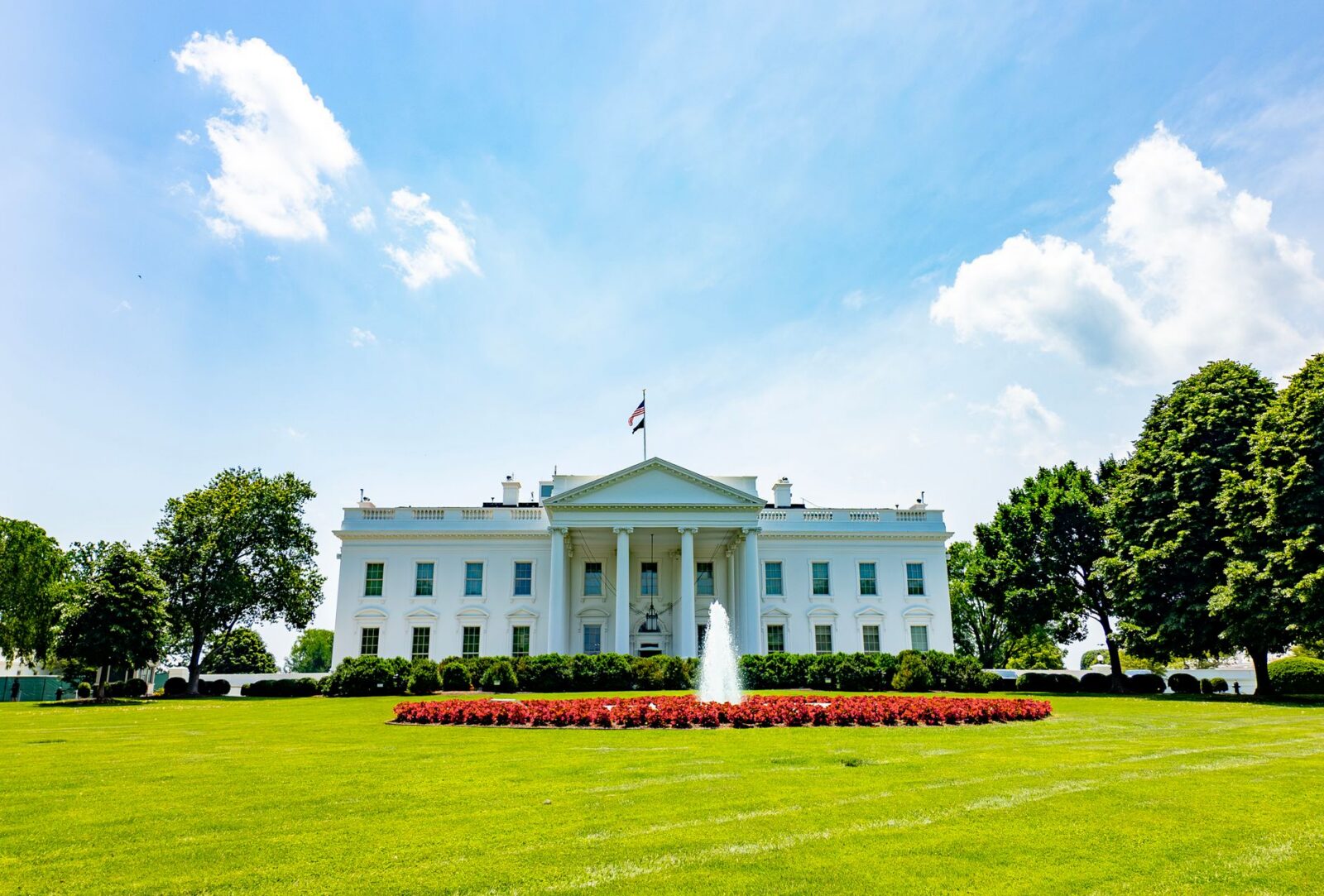
In a recent NBC poll released on June 14, 2026, President Donald Trump’s approval rating has plummeted to a new low for his second term, now standing at just 36%. This decline marks the lowest recorded approval for Trump since he took office in January 2021. The poll reflects growing discontent among voters over various issues, including economic performance, healthcare, and climate change, which have dominated public discourse in recent months.
This development is significant not only for the U.S. political landscape but also for global observers and stakeholders. As Trump prepares for a potential re-election campaign in 2028, these numbers could indicate a waning support base that may jeopardize his agenda both domestically and internationally. The implications of a president with diminishing approval ratings are profound; they could hinder the administration’s ability to negotiate effectively on critical issues such as trade agreements, military alliances, and climate commitments, which are vital for global stability.
Moreover, as Trump faces increasing scrutiny from both the public and political analysts, the Democratic Party is likely to capitalize on this momentum, potentially reshaping the 2028 electoral landscape. A continued decline in approval ratings could embolden opposition candidates and influence voter turnout in the upcoming midterm elections, scheduled for November 2026, which will serve as a litmus test for Trump’s policies and governance.
Looking ahead, the ramifications of this polling data could extend beyond the U.S. borders. Global investors, already skittish from economic uncertainties, may respond to a perceived instability in U.S. leadership with caution, affecting markets worldwide. Furthermore, international leaders who rely on U.S. cooperation in various global initiatives may need to reassess their strategies in light of the current political climate, potentially leading to shifts in alliances and international agreements.
Source: USA Today







Trump Evacuated from White House Correspondents’ Dinner Amid Security Concerns
The evacuation of Trump from a high-profile event underscores ongoing tensions in...
 1 Mins read
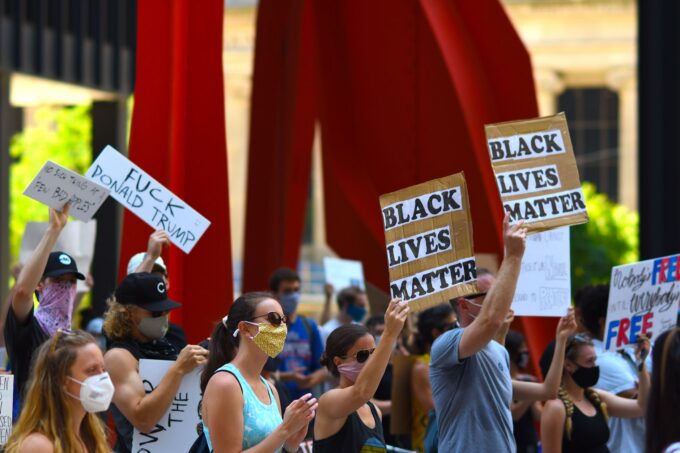
Donald Trump Marks 80th Birthday with UFC Celebration on White House Lawn
Trump's birthday celebration underscores his enduring influence in American politics and the...
1 Mins read
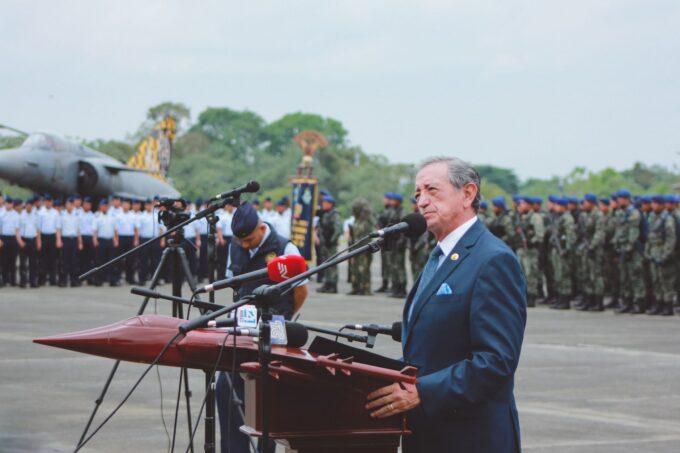
President Trump Hosts UFC Event at the White House for 80th Birthday Celebration
President Trump's 80th birthday celebration features a UFC event, showcasing the intersection...
1 Mins read
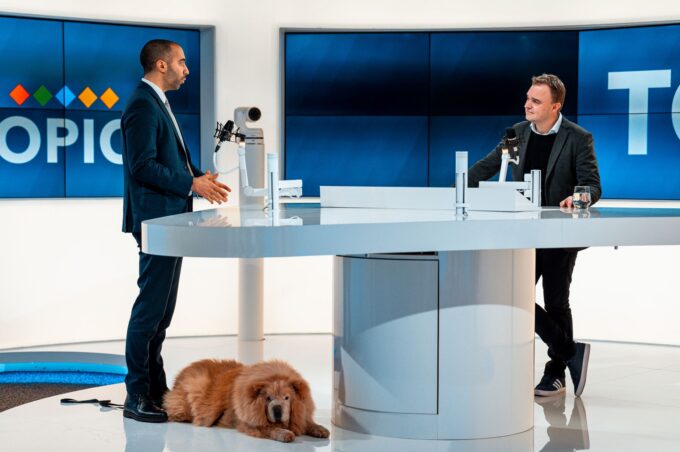


White House Hosts UFC Event Amid Ongoing Scrutiny of Trump’s Crypto Ventures
The White House's UFC event highlights ongoing concerns about corruption linked to...
1 Mins read

Leave a comment