
G7 Leaders Engage in Crucial Summit on Ukraine and Middle East with Zelenskyy’s Participation
On June 17, 2026, leaders from the Group of Seven (G7) nations convened in France to engage in critical discussions focusing on the ongoing crises in Ukraine and the Middle East. Ukrainian President Volodymyr Zelenskyy joined the summit, underscoring the urgency of international support for Ukraine amid escalating tensions with Russia. The summit is particularly significant as it marks the first direct engagement of G7 leaders with Zelenskyy since the onset of renewed hostilities in Eastern Europe.
The participants include the leaders of Canada, France, Germany, Italy, Japan, the United Kingdom, and the United States, all of whom are grappling with the implications of geopolitical instability. The inclusion of Zelenskyy is a clear signal of the G7’s commitment to addressing the security challenges posed by Russia’s military actions, which have far-reaching consequences not only for Europe but for global stability and the international order.
The discussions are taking place against a backdrop of rising tensions in the Middle East, particularly regarding Iran’s nuclear ambitions and ongoing conflicts in Syria and Yemen. The G7 leaders are expected to explore coordinated responses to these issues, emphasizing the need for a unified front to deter aggression and promote peace in the region. Given the interconnected nature of these crises, the G7’s approach could set the tone for international diplomacy in the coming months.
As the summit unfolds, the world watches closely for potential commitments from the G7, particularly in terms of military aid for Ukraine and diplomatic efforts to stabilize the Middle East. The outcomes of these discussions could have lasting impacts on global security dynamics, influencing not only regional players but also the broader international community’s response to authoritarian regimes. The stakes are high, and the decisions made here will resonate well beyond the summit’s conclusion.
Source: macau daily times 澳門每日時報








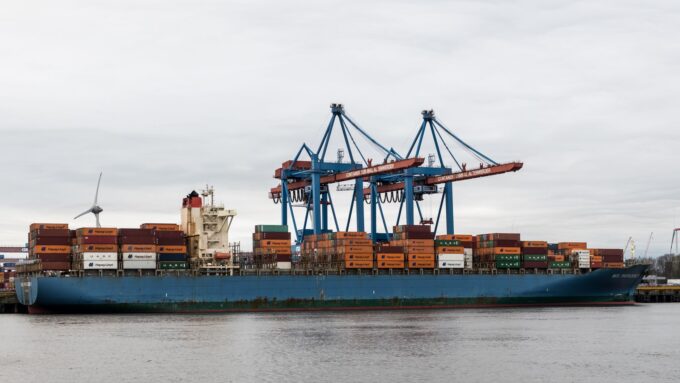
Belgium’s Russian Gas Imports Surge Amid Ongoing Energy Crisis
Belgium's increased Russian gas imports raise significant geopolitical concerns as Europe navigates...
 1 Mins read

Trump’s Bathroom Preferences Raise Concerns Over White House Hygiene Standards
Trump's bathroom habits could pose significant hygiene risks, impacting the integrity of...
1 Mins read
US-Iran Tensions Escalate as Ceasefire Holds Amid Airspace Closures
Global leaders watch closely as US-Iran tensions rise, impacting international security and...
1 Mins read



Trump convenes at Camp David amid escalating Iran deal opposition
Global leaders must scrutinize the implications of Trump's Camp David meetings as...
1 Mins read

Leave a comment