
Over 1,000 Fatalities Reported in Gaza Despite Ceasefire, Palestinian Authorities Confirm
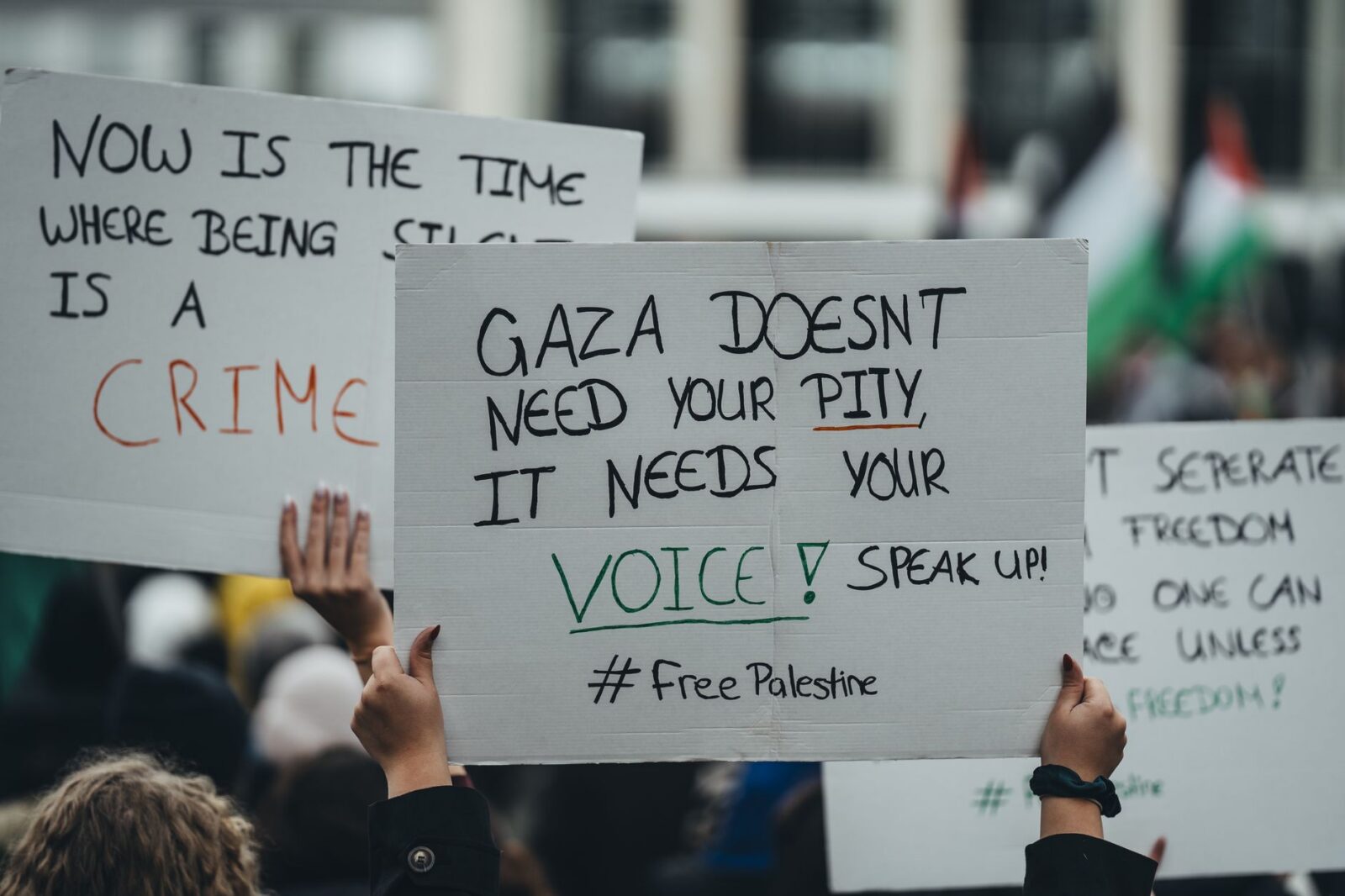
In a devastating update from the Gaza Strip, Palestinian authorities have reported that over 1,000 individuals have lost their lives during a ceasefire period. This alarming figure, released on June 18, 2026, underscores the persistent violence that continues to plague the region, despite diplomatic efforts to establish a halt in hostilities.
The situation in Gaza has drawn international attention, with various humanitarian organizations and global leaders calling for immediate action to protect civilians. The United Nations has expressed grave concern, emphasizing the need for accountability and a thorough investigation into the circumstances surrounding these fatalities. The ongoing conflict, which has seen multiple ceasefires fail, highlights the fragility of peace efforts in the region.
This latest development is particularly significant as it raises critical questions about the effectiveness of international mediation and the role of major powers in the Israeli-Palestinian conflict. The United States, European Union, and regional actors such as Egypt and Qatar have historically played roles in brokering peace, yet the continued loss of life suggests a breakdown in these efforts. The humanitarian crisis, compounded by the deaths of so many civilians, may compel these entities to reassess their strategies and engage more decisively.
Looking ahead, the potential for escalation remains high. If the violence continues unabated, it could trigger wider regional instability, drawing in neighboring countries and affecting global diplomatic relations. Furthermore, public outcry and pressure from civil society may lead to increased calls for sanctions or other punitive measures against parties believed to exacerbate the conflict. As the situation unfolds, the international community must grapple with its responsibility to protect civilians and seek a sustainable resolution to this protracted crisis.
Source: Goshen News










Belgium’s Russian Gas Imports Surge Amid Ongoing Energy Crisis
Belgium's increased Russian gas imports raise significant geopolitical concerns as Europe navigates...
 1 Mins read

Trump’s Bathroom Preferences Raise Concerns Over White House Hygiene Standards
Trump's bathroom habits could pose significant hygiene risks, impacting the integrity of...
1 Mins read

US-Iran Tensions Escalate as Ceasefire Holds Amid Airspace Closures
Global leaders watch closely as US-Iran tensions rise, impacting international security and...
1 Mins read



Trump convenes at Camp David amid escalating Iran deal opposition
Global leaders must scrutinize the implications of Trump's Camp David meetings as...
1 Mins read
Leave a comment