
Glenn Beck Reveals Secret White House Tour Under Trump’s NDA

In a surprising revelation, conservative commentator Glenn Beck has claimed that he received a highly confidential tour of the White House during Donald Trump’s presidency, necessitating the signing of a non-disclosure agreement (NDA). This assertion, made public on June 20, 2026, sheds light on the lengths to which some individuals may go to secure privileged access to political power, underscoring the opaque dynamics of influence in U.S. governance.
Beck, a well-known figure in American media, has been vocal about his support for Trump and conservative causes. His disclosure raises significant concerns regarding the nature of access to the White House, particularly when it is contingent upon secrecy agreements. This incident reflects broader issues of transparency and accountability in political institutions, especially in an era where public trust in government is already at a low ebb.
The implications of Beck’s claims are far-reaching. They not only highlight potential favoritism and the commodification of political access but also signal a growing trend where influential individuals and media personalities can leverage their relationships with power for personal gain. As the public becomes increasingly aware of such dynamics, the demand for transparency and ethical governance is likely to intensify.
Looking ahead, this revelation could lead to renewed calls for stricter regulations governing access to political officials and the use of NDAs in public service. If substantiated, Beck’s claims might prompt investigations into the practices surrounding White House tours and the extent of influence wielded by media figures in shaping policy and public opinion. As the political landscape evolves, the balance between personal relationships and public accountability will remain a critical point of contention.
Source: AOL.com








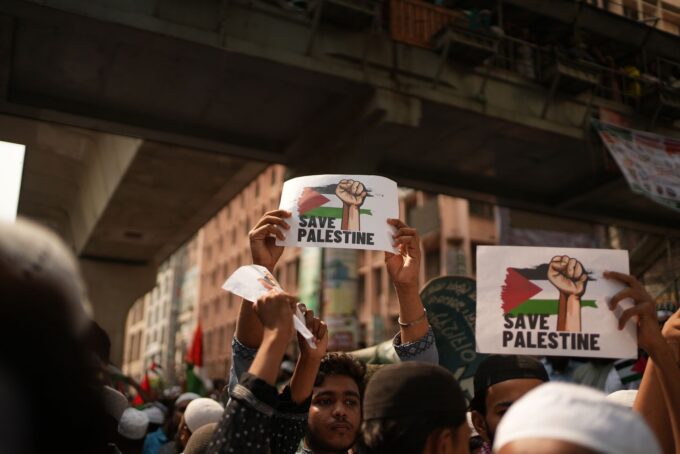
Israel and Hezbollah Ceasefire Agreement Amid US-Iran Tensions
The recent ceasefire between Israel and Hezbollah reflects shifting dynamics in Middle...
 1 Mins read

Oxfam’s Bushra Khalidi Addresses UN Security Council on Gaza Situation
Khalidi's address underscores urgent humanitarian needs in Gaza, highlighting global implications of...
1 Mins read
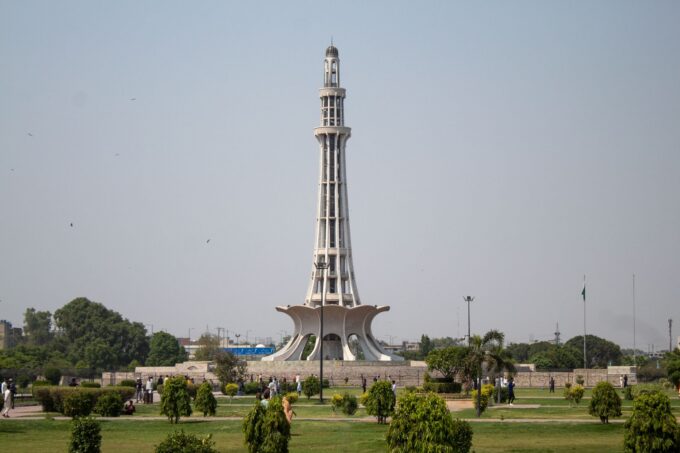
Pakistan Urges UN Security Council to Address Gaza Crisis
Pakistan calls for urgent international action as Gaza faces escalating humanitarian challenges,...
1 Mins read
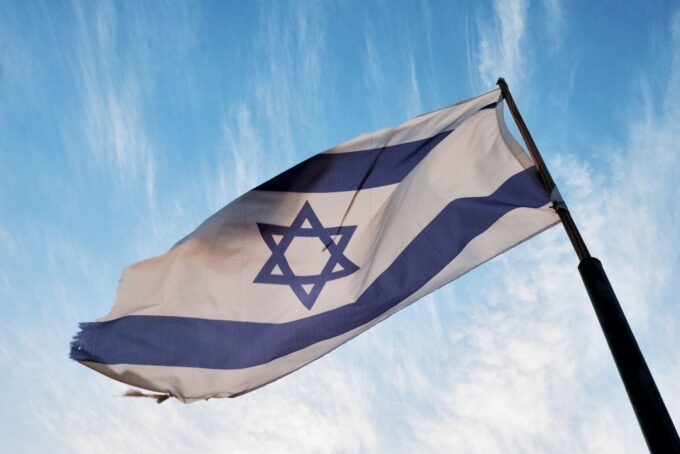


Israeli Airstrikes in Southern Lebanon Result in Five Fatalities Amid Ceasefire Tensions
The recent escalation in Israel-Lebanon tensions threatens stability in the region and...
1 Mins read

Leave a comment