
Israeli Strikes in Gaza Kill Four Palestinians, Injure Twenty-Two Amid Ceasefire

In a tragic escalation of violence, Israeli airstrikes in Gaza on July 6, 2026, have resulted in the deaths of four Palestinians and injuries to at least twenty-two others. This incident occurred despite existing ceasefire agreements, highlighting the tenuous nature of peace in the region. The strikes reportedly targeted areas believed to be associated with militant operations, but the collateral damage has raised significant concerns about civilian safety and the efficacy of current diplomatic efforts.
The Israeli military has not provided specific details on the rationale behind these strikes, but they come amid heightened tensions following recent clashes and inflammatory rhetoric from both sides. The Palestinian Authority and various local health officials have condemned the attacks, calling for immediate international intervention and support for the beleaguered population in Gaza, which is already suffering from severe humanitarian crises exacerbated by blockades and limited access to essential services.
This incident is significant not only for the immediate humanitarian implications but also for its potential to derail fragile peace negotiations that have been underway. The international community, particularly the United States and European Union, has been urging both sides to adhere to ceasefire agreements and engage in dialogue. However, the recent violence raises questions about the viability of these diplomatic efforts and the potential for renewed conflict.
Looking ahead, if the cycle of retaliation continues, it could lead to broader regional instability, impacting neighboring countries and international stakeholders invested in Middle Eastern peace. Human rights organizations are likely to increase their calls for accountability, and further military responses from either side could provoke a more extensive military engagement. The world watches closely as the situation develops, aware that peace in the region remains an elusive goal.
Source: A News









Pope Leo XIV Remains Isolated at the Vatican Amidst Global Tensions
The isolation of Pope Leo XIV underscores the Vatican's precarious position in...
 1 Mins read
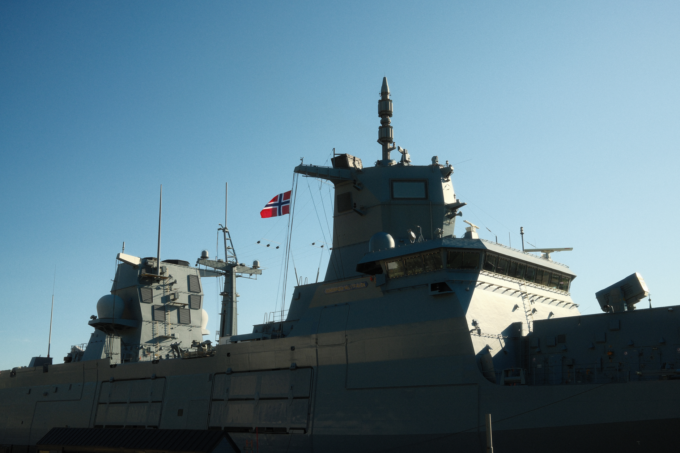
NATO Summit 2026 Addresses Defence Spending, Ukraine Crisis, and Iran Tensions
The NATO Summit 2026 is crucial as global security dynamics shift amid...
1 Mins read

NATO Leaders Meet in Ankara to Discuss Ukraine Aid and Defense Spending
NATO's discussions in Ankara are pivotal as they shape global security dynamics...
1 Mins read



Russia Launches Strikes on Ukraine, Highlighting Air Defense Vulnerabilities Ahead of NATO Summit
The recent Russian strikes on Ukraine underscore critical air defense gaps, raising...
1 Mins read

Leave a comment