

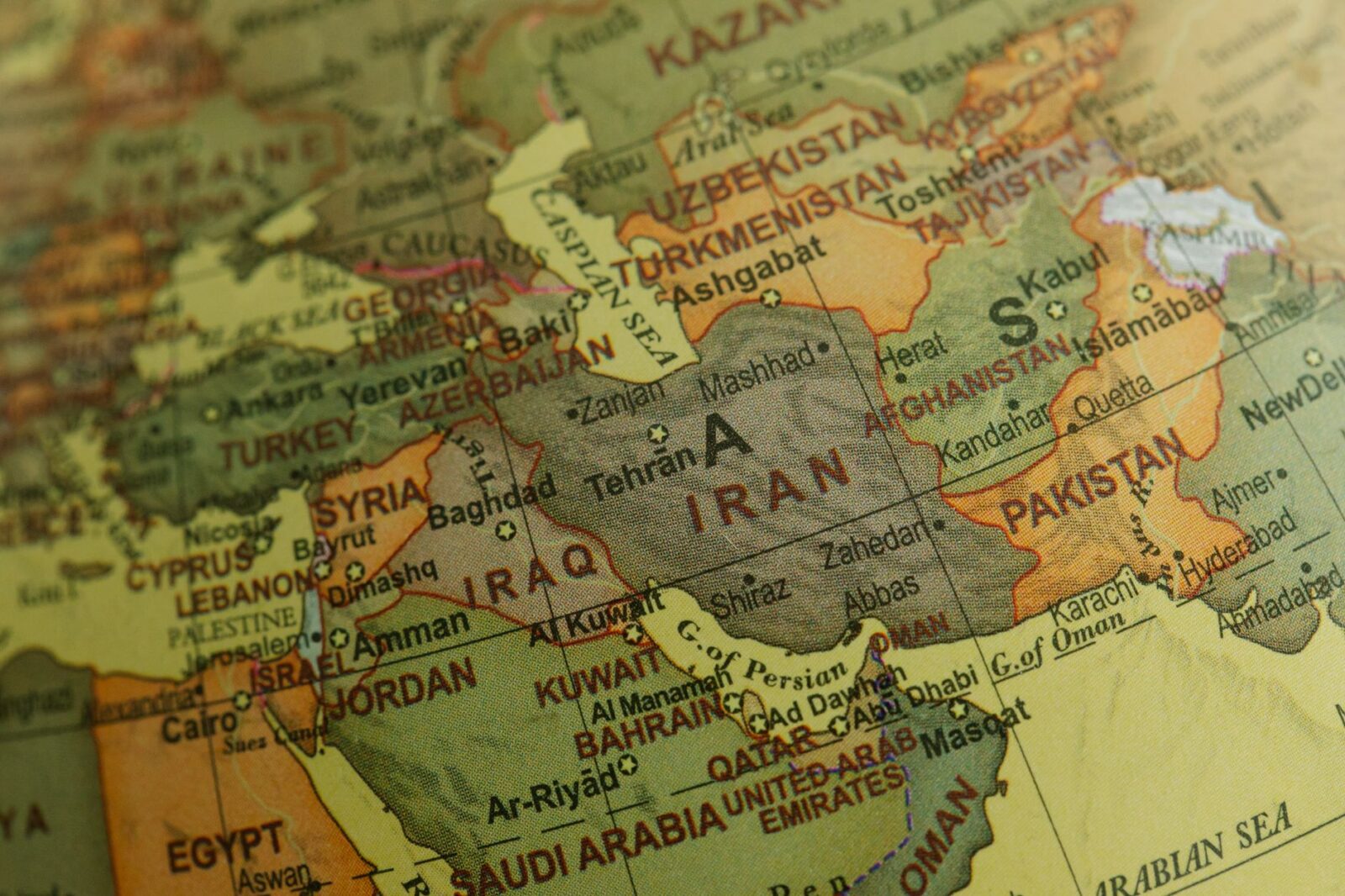
In a significant escalation of regional hostilities, Iran has launched a series of coordinated military attacks against five Gulf nations, including Saudi Arabia, the United Arab Emirates, Qatar, Kuwait, and Bahrain. This unprecedented action comes in direct response to recent US airstrikes targeting Iranian military positions, marking a critical juncture in Middle Eastern geopolitics. The attacks, which began early on July 12, 2026, have resulted in significant damage to military installations and civilian infrastructure across the affected nations.
The Iranian military, under the command of the Islamic Revolutionary Guard Corps (IRGC), has asserted its right to retaliate against what it describes as American aggression. The closure of the Strait of Hormuz, a vital maritime corridor through which approximately 20% of the world’s oil passes, has raised alarms among global leaders and market analysts alike, as the potential for a significant disruption in oil supply looms large.
This development is not merely a regional concern; it carries profound implications for global energy markets, international diplomacy, and security alliances. The swift and decisive nature of Iran’s response highlights its strategic posture in the face of perceived threats, signaling a potential shift in the balance of power within the Gulf region. The economic ramifications could be severe, with oil prices expected to spike in the wake of this crisis, affecting economies far beyond the immediate conflict.
Looking ahead, the international community faces urgent calls for de-escalation. Diplomatic efforts will likely intensify as nations seek to mitigate the fallout from this conflict. The United States, alongside its Gulf allies, may consider a range of responses, including increased military presence in the region and sanctions targeting Iranian leadership. However, any miscalculation could lead to further escalation, underscoring the need for careful strategic deliberation in the coming days.
Source: Al Jazeera









Dancing with the Stars Fans Criticize Next Pro Series as Inauthentic
The backlash against the Next Pro series highlights deep-seated concerns over authenticity...
 1 Mins read

Margaret Cho’s Controversial Remarks on Lindsey Graham’s Death Spark Outrage
Cho's comments highlight the deepening political divides in the U.S. and raise...
1 Mins read

Milwaukee Faces Extreme Heat Wave as ‘Feels Like’ Temperatures Exceed 100 Degrees
The extreme heat in Milwaukee underscores the urgent global climate crisis impacting...
1 Mins read


Garth Brooks Launches 2026 Tour: Global Anticipation Builds
Garth Brooks' 2026 tour announcement signifies a resurgence in live entertainment, reflecting...
1 Mins read

Leave a comment