

Striking a Balance Amidst Crisis
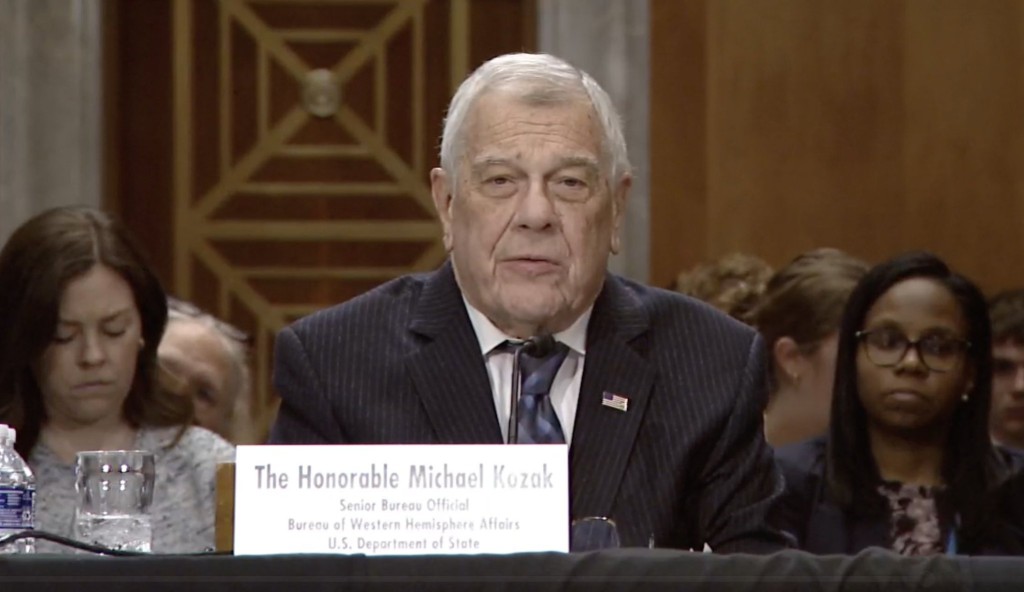
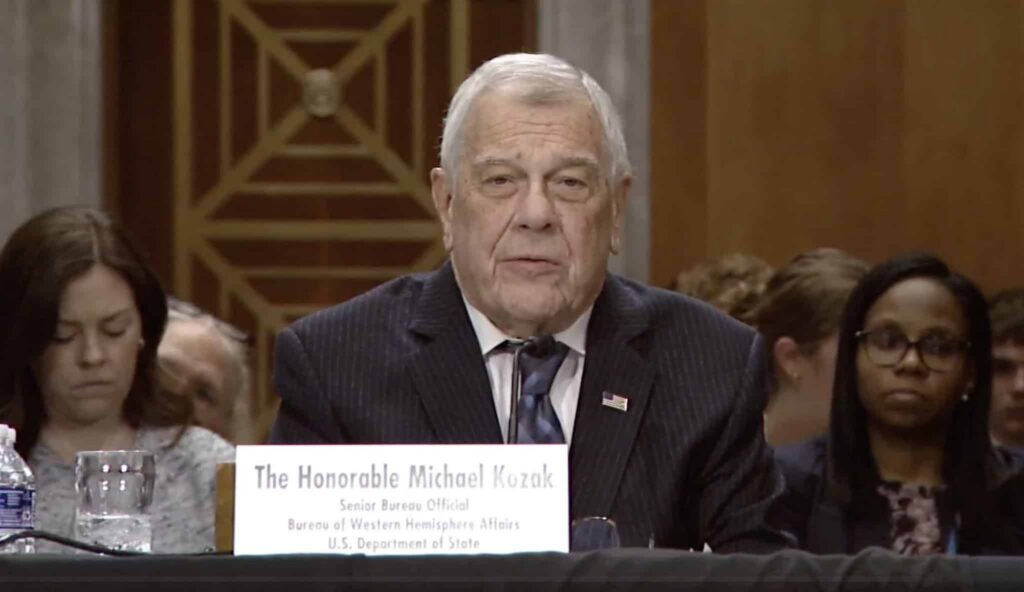
In a recent congressional session, Michael Kozak, the U.S. Deputy Assistant Secretary for Western Hemisphere Affairs, articulated a nuanced perspective on the electoral situation in Venezuela. His remarks come in the wake of a devastating earthquake that has exacerbated the country’s ongoing humanitarian crisis. Kozak emphasized that the United States is not only concerned with the timing of elections but also with ensuring that they are structured to promote a lasting democratic framework.
The Challenge of Timing
Kozak’s statements reflect a careful deliberation on when elections should be held in Venezuela. He conveyed that holding elections too soon could be counterproductive, given the necessary reforms and preparations that must precede a credible electoral process. He stated, “We do not want elections too soon when many changes are needed; however, we also do not want them too far away, as this would deter long-term investments in a democratic government.”
A Call for Electoral Integrity
The underpinnings of Kozak’s remarks highlight the importance of electoral integrity, which requires a comprehensive approach to voter registration and the inclusion of new voters. The timeframe for these preparations is critical, as established electoral authorities need to be renewed, and the electoral roll must be cleansed to reflect a truly representative populace. Kozak stressed that while the process should not be prolonged indefinitely, it also cannot be rushed in the midst of a national emergency.

Engaging Opposition Leaders
During the congressional hearing, Kozak addressed concerns regarding prominent opposition figure María Corina Machado. He clarified that the U.S. does not oppose her return to Venezuela, stating, “She is not a prisoner. Our position is that all exiles should be able to return.” This affirmation marks a significant stance on the part of the U.S. administration, indicating a commitment to supporting democratic figures in Venezuela without placing undue restrictions on their reintegration.
Addressing Political Prisoners
Moreover, Kozak acknowledged the shortcomings of existing amnesty legislation that has yet to free over 400 political prisoners. He emphasized the urgent need for their release, highlighting the ongoing plight of political dissidents who remain incarcerated. This acknowledgment not only reflects a human rights concern but also underscores the broader challenges facing Venezuela as it navigates its path towards democracy.
A Vision for Democratic Transition
The essence of Kozak’s testimony is a commitment to supporting a democratic transition in Venezuela but with a cautious approach that takes into account the humanitarian realities on the ground. The U.S. administration appears to be advocating for a collaborative effort involving all political parties and interim authorities to ensure that the electoral process is inclusive and credible.
This careful balancing act is vital for fostering a political environment conducive to democracy, especially in a nation that has faced prolonged political instability and humanitarian crises. The U.S. aims not only to facilitate the return of exiles like Machado but also to ensure that the electoral conditions are ripe for genuine democratic engagement.

Conclusion
As Venezuela stands at a crossroads, the insights shared by Michael Kozak present a framework for achieving a sustainable democratic transition. By advocating for a well-timed electoral process, the U.S. shows its commitment to supporting the Venezuelan people in their quest for democracy, even as they grapple with the pressing challenges of humanitarian needs and political repression.

Editorial note: This article was created by A Bit Lavish Miami’s Magazine as an original editorial reinterpretation based on publicly available reporting. Original source: efectococuyo.com. Read the original article here: https://efectococuyo.com/internacionales/michael-kozak-eeuu-no-quiere-elecciones-demasiado-pronto-ni-demasiado-lejos-en-venezuela/.
Images are used for editorial reference with source credit. If an image requires correction or removal, please contact A Bit Lavish.





Trump to Meet Venezuela’s Acting President Delcy Rodríguez During UN General Assembly
The upcoming meeting between Trump and Delcy Rodríguez marks a significant diplomatic...
 2 Mins read

Trump Meets Venezuela’s Acting President Delcy Rodríguez: A Shift in U.S.-Venezuela Relations
The meeting between Trump and Venezuela's acting president signifies a notable shift...
2 Mins read

Empowering Voices: Women as Architects of Change in Venezuela
Discover how women in Venezuela are shaping the transition towards democracy and...
3 Mins read


Navigating Vulnerability: The Return of La Guaira’s Universities Post-Earthquake
Explore the challenges faced by La Guaira's universities as they recover from...
3 Mins read
