
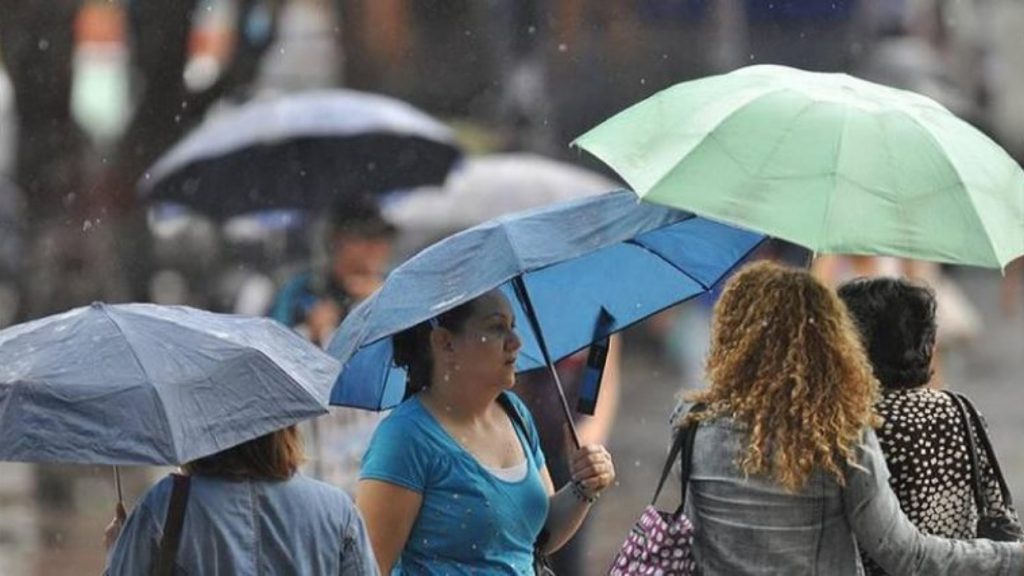
Unfolding Weather Patterns
The atmospheric dynamics of Venezuela are currently influenced by Tropical Wave No. 33, which is making its way from the central region towards the western parts of the country. The Instituto Nacional de Meteorología e Hidrología (Inameh) has noted that this tropical wave interacts with the Zona de Convergencia Intertropical and the monsoonal trough, leading to the development of cloud cover and precipitation of varying intensities.
Current Conditions Across the Country
As of August 3rd, the weather forecast indicates that much of Venezuela will experience a mix of partially cloudy skies accompanied by occasional clear spots. However, significant cloud formations are present, particularly in regions such as Anzoátegui, Bolívar, southern Amazonas, Táchira, and Zulia, where rainfall is expected to be more pronounced.
In addition to the aforementioned regions, scattered light rain is anticipated in Monagas, Delta Amacuro, and the Guayana Esequiba, providing a varied landscape of weather conditions across the nation.
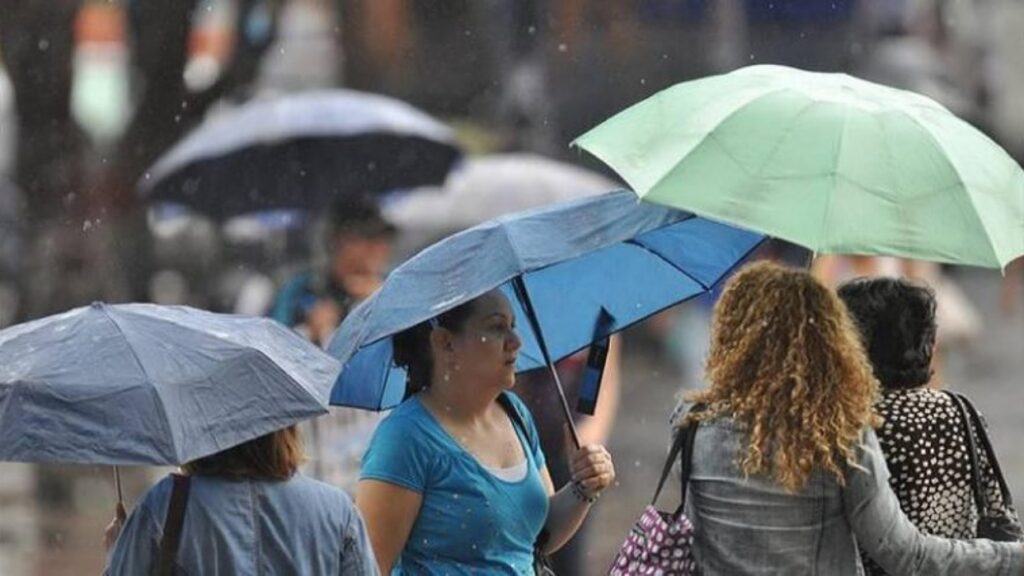
Anticipated Weather Changes
As the day progresses, the outlook remains for partly cloudy skies with scattered showers in the Guayana Esequiba, Delta Amacuro, Sucre, Monagas, and several other states including Anzoátegui and Bolívar. The afternoon and evening hours are predicted to bring increased rainfall, particularly in the western Llanos, the Andes, and Zulia region.
While the weather may appear stable in Caracas, Miranda, Aragua, Carabobo, and Yaracuy, there remains a possibility of light precipitation in these areas. This unpredictable weather highlights the complexity of the current climatic situation across Venezuela.
Implications of Atmospheric Conditions
Inameh continues to monitor the tropical waves closely, with Wave No. 34 anticipated to enter the scene over the central Atlantic. This wave is expected to traverse Venezuela between the 8th and 9th of August, which may further contribute to atmospheric instability. The potential for continued rainfall underscores the necessity for preparedness in the face of unpredictable weather patterns.
Environmental Considerations
Compounding the weather forecast is the presence of Saharan dust in mild to moderate concentrations, which can impede the development of significant cloud cover and reduce visibility in various regions. This phenomenon serves as a reminder of the delicate balance between atmospheric elements that shape Venezuela’s climate.
Looking Ahead
As the nation grapples with these shifting weather patterns, the importance of accurate meteorological information cannot be overstated. Understanding the movements of tropical waves and their implications can aid both residents and businesses in preparing for potential weather-related disruptions. Miami, with its own tropical climate, shares a commonality with Venezuela, making the continuous monitoring of such meteorological events beneficial for both regions.
Editorial note: This article was created by A Bit Lavish Miami’s Magazine as an original editorial reinterpretation based on publicly available reporting. Original source: efectococuyo.com. Read the original article here: https://efectococuyo.com/la-humanidad/onda-tropical-n-33-avanza-del-centro-al-occidente-de-venezuela-y-genera-lluvias-advierte-inameh/.
Images are used for editorial reference with source credit. If an image requires correction or removal, please contact A Bit Lavish.










Dinorah Figuera: A Vision for Venezuela’s Institutional Renaissance
Dinorah Figuera returns to Venezuela with a commitment to reinstitutionalization, aiming to...
 2 Mins read
Vargas: Un Camino hacia la Reconstrucción Sostenible
Un análisis sobre el reciente acuerdo en Vargas para la reconstrucción post-sísmica,...
3 Mins read

Resilience Amidst Ruin: The Aftermath of Caraballeda’s Earthquake
Exploring the heart-wrenching impact of the recent earthquake on the educational community...
 ABL2 Mins read



Navigating the Waters of Dialogue: Venezuela’s Political Landscape in Flux
As Venezuela's political factions prepare for a critical dialogue, the return of...
ABL3 Mins read

Leave a comment