
A Cultural Reawakening: The Return of Artifacts to Ghana


Restoring Heritage: A Movement Towards Justice
The recent decision by the Netherlands and Germany to return over 2,000 cultural artifacts to Ghana marks a significant milestone in the ongoing dialogue surrounding colonial restitution and cultural heritage. This historic act seeks not only to right past wrongs but also to invigorate Ghana’s rich artistic legacy, which has long been overshadowed by colonial narratives.
A Tapestry of History
These artifacts, taken unlawfully during colonial conquests, represent a profound connection to Ghana’s identity, culture, and history. While specifics about the items have yet to be disclosed, the mere act of repatriation symbolizes a reclaiming of dignity and recognition for the cultural narratives that have been suppressed for centuries.
Market Significance and Provenance
The return of these artifacts is not merely a historical event; it carries substantial implications for the art market and collector psychology. As provenance becomes increasingly significant in the valuation of artworks and artifacts, the acknowledgment of rightful ownership can enhance the cultural and monetary worth of returned objects. Collectors and investors are increasingly aware of the ethical dimensions of their acquisitions, making provenance a key factor in the desirability of artworks.
Ghana’s Cultural Renaissance
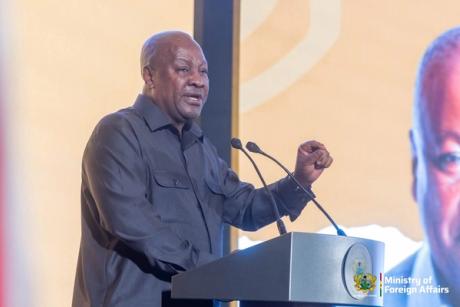
For Ghana, this repatriation is a catalyst for a cultural renaissance. The artifacts will not only enrich local museums but also serve as educational tools, fostering a deeper understanding of Ghana’s heritage among both locals and international visitors. The infusion of these objects into the cultural landscape of Ghana can stimulate tourism and promote investment in the arts, which are vital components of the nation’s economy.
Global Implications of Cultural Restitution
The act of returning cultural artifacts to their countries of origin is becoming increasingly common, as nations grapple with the legacies of colonialism. This movement towards restitution is reshaping the global art landscape, as institutions reconsider their collections and the narratives they represent. The dialogue is shifting from ownership to stewardship, emphasizing the responsibility of museums and collectors to honor the cultural significance of the items within their collections.
Embracing the Future
The return of these artifacts is not merely an end, but rather a beginning. It is an opportunity for Ghana to redefine its narrative and for the international community to engage in a more ethical discourse about art, ownership, and cultural heritage. As the world looks to Ghana, it will witness a flourishing of creativity and cultural expression, rooted in a legacy that is rightfully theirs.
A Call for Continued Dialogue
As Miami stands as a vibrant hub for art and culture, it is essential for collectors and enthusiasts here to engage with these global conversations. The implications of cultural restitution resonate beyond borders, inviting Miami’s art community to reflect on its own practices and the ethical considerations surrounding the art it houses. By fostering dialogue and awareness, Miami can contribute to a broader understanding of art as a shared human experience, one that transcends historical injustices and celebrates cultural diversity.
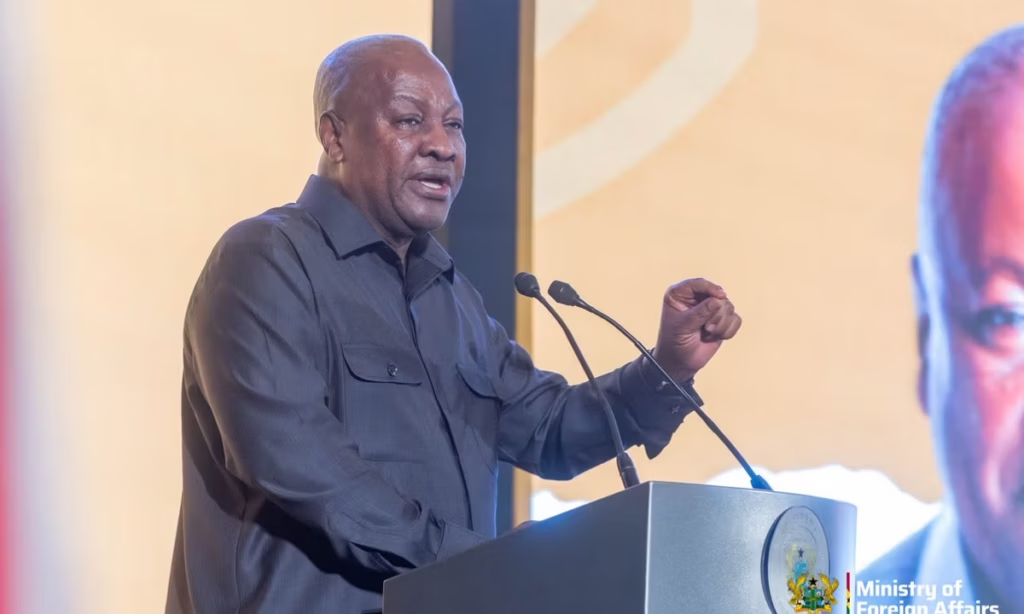
Editorial note: This article was created by A Bit Lavish Miami’s Magazine as an original editorial reinterpretation based on publicly available reporting. Original source: theartnewspaper.com. Read the original article here: https://www.theartnewspaper.com/2026/06/23/the-netherlands-and-germany-to-return-more-than-2000-cultural-artefacts-to-ghana.
Images are used for editorial reference with source credit. If an image requires correction or removal, please contact A Bit Lavish.









A Historic Ruling: The Return of a Nazi-Looted Masterpiece
An unprecedented legal victory marks the return of a masterwork looted during...
 ABL2 Mins read
Artful Ingress: Recent Acquisitions Shaping Museum Narratives
Explore the latest museum acquisitions, including a striking French mask and a...
ABL3 Mins read

Unveiling the Enigma: Agatha Christie at the British Library
Explore the intricacies of Agatha Christie’s life and legacy at the British...
ABL2 Mins read



Faro Santander: A New Beacon for Artistic Legacy
Explore the newly inaugurated Faro Santander, a museum that showcases an extensive...
ABL2 Mins read
