
A Homecoming of Spiritual Heritage: The Return of Jain Manuscripts
 ABLUpdated 4 months Ago2 Mins read91
Preserving Cultural Treasures
In a significant gesture towards cultural restitution, the Wellcome Collection in London has made the momentous decision to return a trove of 2,000 manuscripts to the Jain community. This event marks not just a physical return of artifacts but a deep acknowledgment of the rich spiritual heritage that these manuscripts encapsulate.
From Archive to Academia
Rather than transferring these invaluable texts back to their geographic origins in India, the manuscripts will be housed at the UK Institute of Jainology, located at the University of Birmingham. This decision reflects a nuanced understanding of the manuscripts’ scholarly and educational potential, emphasizing the importance of preserving and studying these texts within an academic context.
The Significance of Jain Manuscripts
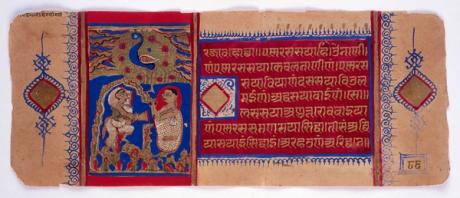
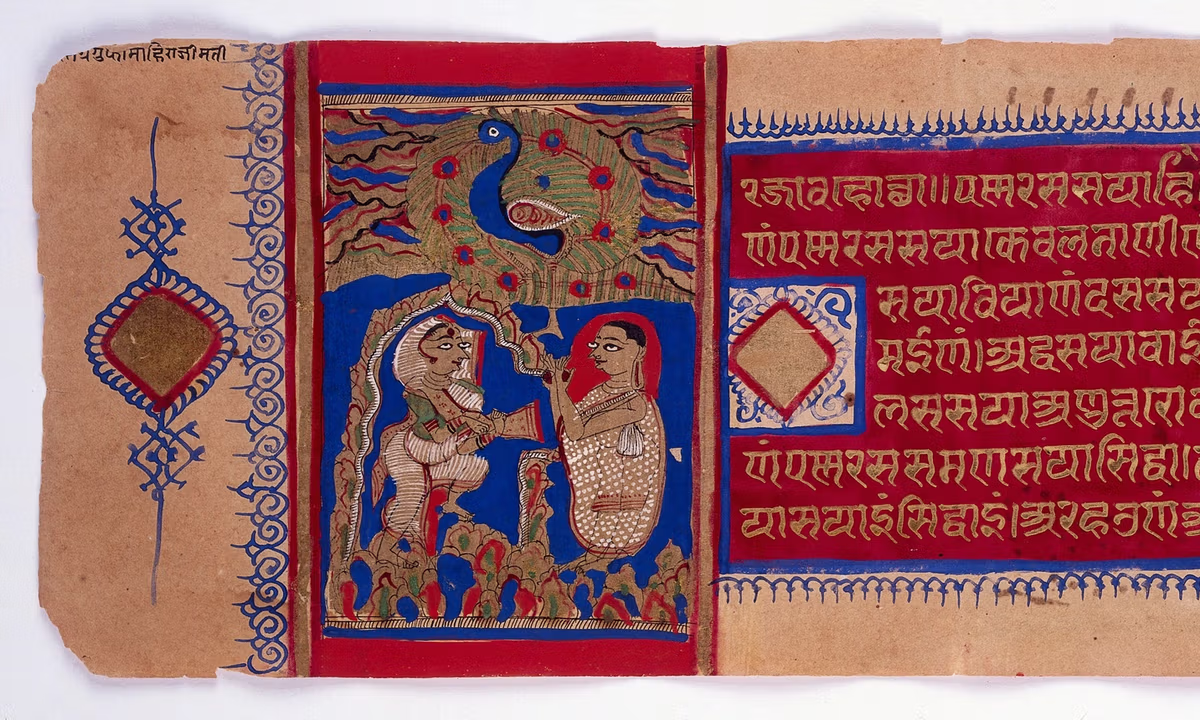
The manuscripts in question are not mere relics of the past; they are vibrant narratives that weave together the philosophical, religious, and cultural fabric of Jainism. Known for its intricate illustrations and meticulous calligraphy, each manuscript serves as a testament to the artistic prowess and spiritual depth of Jain traditions. Collectively, they represent a rare insight into the historical evolution of Jain thought and practice.
A Legacy of Rarity and Value
For collectors and cultural investors, the return of these manuscripts underscores the increasing market significance of Jain art and literature. As the global art market expands, the rarity of these manuscripts positions them as unique artifacts that can appreciate in value, particularly as interest in diverse cultural expressions grows. The manuscripts’ provenance, tied to a living tradition, enhances their allure for collectors who appreciate not only the aesthetic qualities but also the deeper narratives behind each piece.
Cultural Resonance and Collector Psychology
The act of bringing these manuscripts to an academic institution rather than returning them directly to India illustrates a broader understanding of collector psychology. Many modern collectors seek more than just ownership; they desire a connection to the story and significance behind their acquisitions. The Wellcome Collection’s choice aligns with this trend, fostering an environment where the manuscripts can be studied, appreciated, and enjoyed by a global audience, thus enhancing their cultural value.
The Miami Connection
As Miami continues to establish itself as a hub for art and cultural exchange, the implications of such cultural restitutions resonate within our vibrant community. The city, known for its diverse population and rich tapestry of artistic expressions, stands to benefit from the knowledge and insights that these manuscripts can provide. Exhibitions and educational programs showcasing Jain history and philosophy could inspire local collectors and art enthusiasts, encouraging a deeper appreciation for global cultural heritage.
Forging New Paths
The return of these manuscripts is a pivotal moment in the ongoing dialogue about cultural heritage and restitution. It encourages us to reflect on the responsibilities we hold as stewards of history and the ways in which we can champion the stories of marginalized communities. As institutions like the Wellcome Collection set precedents for the return of artifacts, we are reminded of the importance of fostering understanding, respect, and appreciation for the diverse tapestry of human experience.
Editorial note: This article was created by A Bit Lavish Miami’s Magazine as an original editorial reinterpretation based on publicly available reporting. Original source: theartnewspaper.com. Read the original article here: https://www.theartnewspaper.com/2026/05/14/wellcome-collection-returns-2000-manuscripts-to-the-jain-community.
Images are used for editorial reference with source credit. If an image requires correction or removal, please contact A Bit Lavish.







Navigating Fantasy: The Allure of Rare Literary Cartography
Explore the captivating intersection of literature and cartography in an upcoming Zurich...
 3 Mins read

Cuauhtémoc Medina: Curatorial Visionary Set to Elevate Guatemala’s Bienal de Arte Paiz
Explore the profound impact of Cuauhtémoc Medina's curatorial approach as he prepares...
2 Mins read

Unveiling Deception: The Forgery Scandal Shaking the Art World
An in-depth exploration of the Giuliano Ruffini forgery scandal, its implications for...
2 Mins read



Transition at the Top: A New Era for the Art Gallery of Ontario
As Stephan Jost steps down from his role at the Art Gallery...
2 Mins read
