
A Legacy Restored: The Return of Metzinger’s ‘Woman With a Fan’

A Journey Through Time
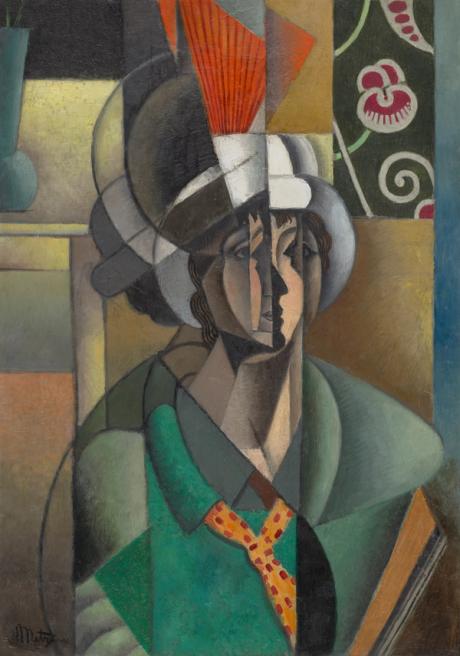
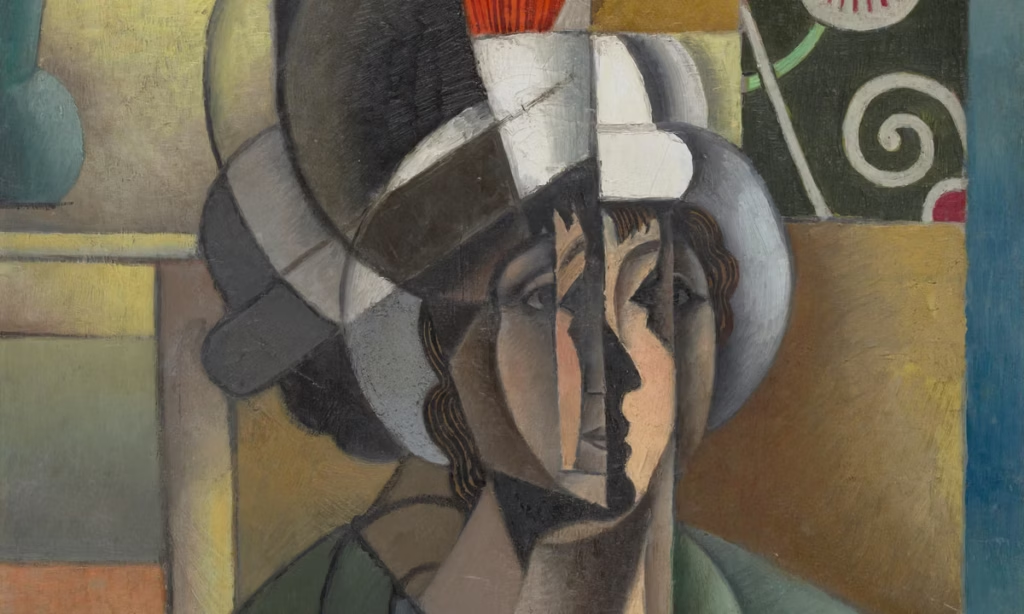
The art world is often a tapestry woven from threads of history, emotion, and legacy. In a poignant turn of events, the Art Institute of Chicago has made headlines with its decision to return Jean Metzinger’s 1913 masterpiece, Woman With a Fan, to the heirs of its original owner, Emanuel Lewenstein. This act of restitution not only honors the legacy of the painting but also underscores the complex narratives that surround artworks during tumultuous times.
The Unfolding Story of a Masterpiece
Created during a pivotal era in the development of modern art, Metzinger’s Woman With a Fan exemplifies the artist’s pioneering approach to Cubism. This particular work, characterized by its innovative use of form and color, was part of the esteemed Lewenstein collection—a group of works that were subject to significant upheaval during the Nazi occupation of Europe.
In 1940, under circumstances shrouded in ambiguity, several pieces from this collection were sold at auction in Amsterdam. The sale, marked by the oppressive realities of war and persecution, raises questions about the provenance of art and the ethical responsibilities of institutions today.
Provenance and the Quest for Justice
The concept of provenance has become increasingly vital in the world of art collecting, as it provides not just a history of ownership but also a moral compass guiding the restoration of artworks to their rightful owners. The return of Woman With a Fan is a testament to the ongoing efforts within the art community to address past injustices and restore dignity to those who suffered loss.
For collectors and institutions alike, understanding the provenance of a work can enhance its market value and cultural significance. The Metzinger painting’s return serves as a case study in how art can transcend its aesthetic appeal to become a vessel for historical truth and reconciliation.
Market Dynamics: The Rarity Factor
As the art market continues to evolve, rarity plays an essential role in determining value. Metzinger’s works are increasingly sought after, given their limited availability and the artist’s critical place in the narrative of 20th-century art. The restitution of Woman With a Fan not only restores a significant piece to its rightful lineage but also amplifies its rarity in the market—a factor that often drives collector interest and investment potential.
When a significant work like this is returned, it can rejuvenate interest not just in the piece itself, but also in the broader body of the artist’s work. Collectors may find themselves exploring Metzinger’s oeuvre with renewed vigor, inspired by the narrative of resilience and justice that accompanies the painting’s return.
Art as a Reflection of Society
The return of Woman With a Fan also invites reflection on the role of art as a societal mirror. During the 20th century, artists like Metzinger were often at the forefront of challenging norms and redefining aesthetics, a pursuit that was not without peril, especially during periods of political strife. The journey of this painting—from Lewenstein’s collection to the auction block under duress, and finally back to the heirs—illustrates how art is intertwined with human experience and historical context.
In Miami, a city steeped in cultural diversity and artistic expression, the story of Metzinger’s painting resonates deeply. Local collectors and patrons of the arts are reminded of their role in preserving cultural heritage and advocating for ethical practices in art acquisition. As Miami continues to position itself as a major art hub, such narratives encourage a collective responsibility among its art community.
A Call to Action for Collectors
The story of Woman With a Fan is more than a remarkable chapter in art history; it serves as a clarion call for contemporary collectors. As the landscape of art collecting becomes increasingly scrutinized through ethical lenses, understanding the histories, values, and responsibilities tied to artworks becomes paramount.
For those investing in art, engaging with provenance and the histories behind pieces is not just about enhancing value; it’s about participating in a larger dialogue surrounding justice, restitution, and cultural legacy. Each acquisition can be a step towards honoring the stories and sacrifices intertwined with the artwork, enriching the collector’s experience beyond mere investment.
Conclusion: A New Chapter
The Art Institute of Chicago’s decision to restitute Woman With a Fan is a significant milestone that reverberates through the art world, igniting conversations about the ethics of art ownership and the legacies left behind by past generations. As we celebrate this return, we are reminded that every piece of art carries with it a story—one that deserves to be told and honored. In doing so, we not only acknowledge the past but also pave the way for a more equitable future in the realm of art collecting.
Editorial note: This article was created by A Bit Lavish Miami’s Magazine as an original editorial reinterpretation based on publicly available reporting. Original source: theartnewspaper.com. Read the original article here: https://www.theartnewspaper.com/2026/09/22/art-institute-chicago-restitute-jean-metzinger-painting-emanuel-lewenstein-heirs.
Images are used for editorial reference with source credit. If an image requires correction or removal, please contact A Bit Lavish.









The Art of Value: Navigating the Commodification Crisis in Galleries
Exploring the intersection of monetary and aesthetic value in the art market,...
 2 Mins read

Echoes of Austerity: A Journey Through the Museum of Vancouver’s Hidden Challenges
Discover the untold story of the Museum of Vancouver as it unveils...
2 Mins read
The Indispensable Eye: Why Human Intuition in Art Remains Unmatched
Exploring the irreplaceable role of human intuition in art curation, and how...
2 Mins read



AI Trade Transforms Art Market with Launch of Muse
The introduction of Muse marks a pivotal moment in the intersection of...
2 Mins read

Leave a comment