
Breaking Free: The Rise of Digital Detox Devices in a Hyper-Connected World
A New Era of Mindfulness
In an age dominated by technology, where smartphones have become an extension of ourselves, a growing number of individuals are yearning for a simpler existence. Recent surveys reveal a striking reality: over half of American adults perceive their smartphone usage as excessive, with numbers soaring among younger users. In response to this digital overwhelm, a wave of innovation has emerged, championing the cause of mindfulness and intentional phone usage.
The Concept of ‘Bricking’
Enter the concept of ‘bricking’—a term that captures the essence of deliberately disabling one’s smartphone to curb compulsive scrolling and distractions. This movement is not merely a trend; it is a cultural shift towards reclaiming time and attention in our fast-paced lives. The advent of devices designed to facilitate this change marks a significant step towards achieving a balanced relationship with technology.
Introducing Brick: A Game Changer
Amidst this landscape, Brick has emerged as a pioneer. Founded in 2023 by lifelong friends TJ Driver and Zach Nasgowitz, this innovative tech company has developed a unique solution targeted at those seeking to break free from their screens. The Brick device, a compact gray cube, utilizes NFC technology to connect with an accompanying app, allowing users to selectively block access to their most distracting applications.
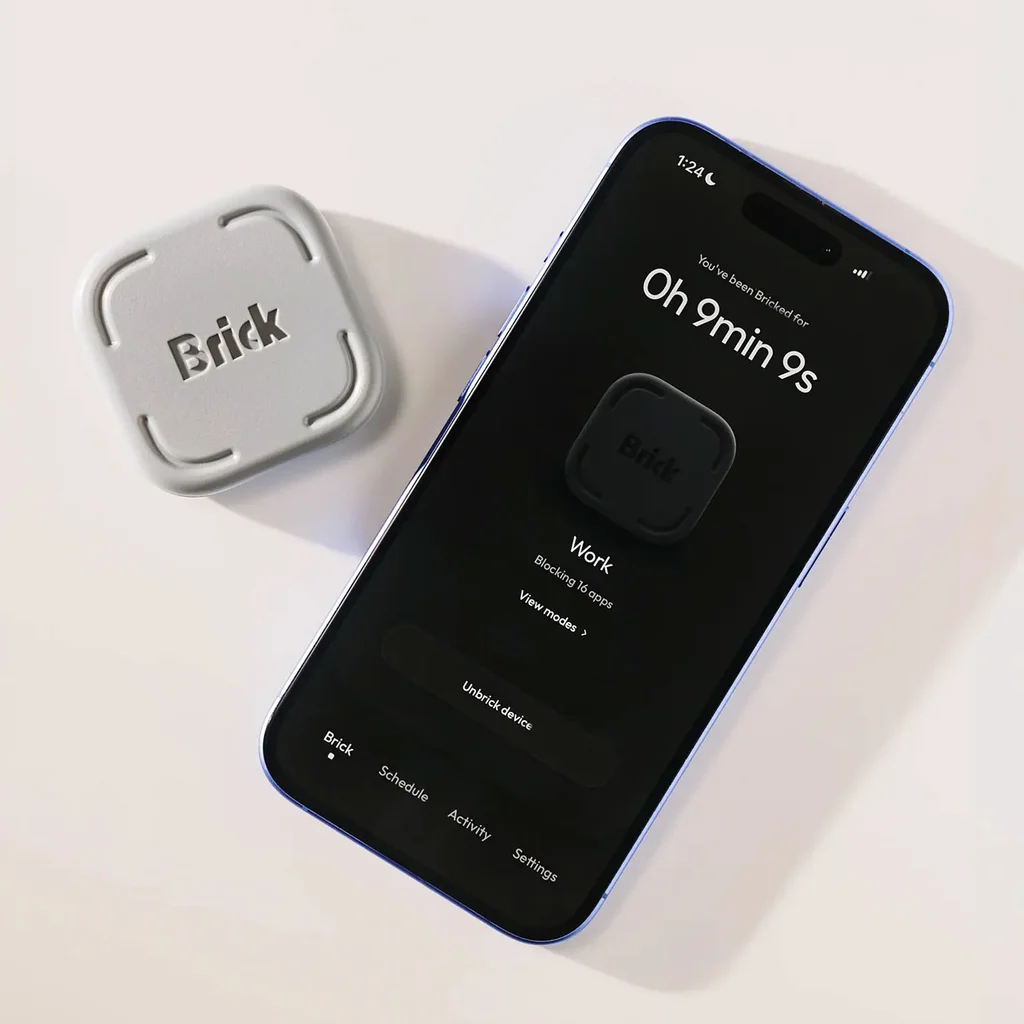
What sets Brick apart from conventional digital wellness features embedded in smartphones is its physicality. Users must physically tap their phones against the Brick device to enable or disable app access. This simple yet effective barrier adds a tangible component to the act of ‘bricking’ oneself, creating a mindful moment that encourages users to think twice before diving into their digital distractions.
Impact on User Behavior
Brick’s impact on consumer behavior has been profound. An internal survey conducted by the company found that an impressive 95% of users reported feeling less distracted after integrating Brick into their routines. Furthermore, 93% noted an enhancement in focus, and a staggering 99% claimed reduced screen time. These figures highlight the potential of physical interventions in addressing the pervasive issue of digital addiction.
The DIY Movement
The success of Brick has sparked a creative DIY movement among tech-savvy users. Some individuals have taken it upon themselves to craft their own versions of the device using inexpensive NFC stickers and freely available apps. This grassroots approach has not only democratized access to digital detox tools but also fostered a community of like-minded individuals who prioritize mindfulness and creativity over mindless scrolling.
Social media platforms, particularly TikTok, have become hotbeds for these DIY projects. Users share their unique takes on app-blockers, transforming everyday objects into aesthetically pleasing, functional devices. This trend underscores a pivotal shift in consumer behavior—one that values personal expression alongside technology-driven solutions.
Technology Meets Aesthetics
In response to the burgeoning DIY culture, Brick has launched its own line of customizable cases, allowing users to blend functionality with personal style. This intersection of design and technology not only enhances the user experience but also signals a broader trend wherein consumers demand products that resonate with their lifestyles and aesthetics. As companies recognize the importance of emotional connection in product design, we can expect to see more innovations that marry utility with beauty.
Looking Ahead: The Future of Mindful Technology
The rise of devices like Brick signifies more than just a trend; it represents a crucial turning point in how we interact with technology. As Miami continues to position itself as a hub for innovation and entrepreneurship, the city’s tech landscape is likely to evolve alongside these emerging consumer demands for mindfulness and balance. The challenge for brands will be to develop solutions that cater to this newfound desire for simplicity without sacrificing the conveniences that modern technology affords.
Ultimately, as we navigate this complex relationship with our devices, the innovations that promote digital wellness will play a pivotal role in shaping the future. Whether through purpose-built devices or creative DIY solutions, the movement towards reducing screen time is not just about disconnecting; it’s about reconnecting—with ourselves, our communities, and the world around us.
Editorial note: This article was created by A Bit Lavish Miami’s Magazine as an original editorial reinterpretation based on publicly available reporting. Original source: fastcompany.com. Read the original article here: https://www.fastcompany.com/91611256/people-are-bricking-their-smartphones-on-purpose-to-stop-doomscrolling.
Images are used for editorial reference with source credit. If an image requires correction or removal, please contact A Bit Lavish.










Trump Calls for Ban on Diesel Exports Amid Rising Fuel Prices
The former president's proposal aims to address escalating fuel costs and their...
 2 Mins read

Royal Caribbean in Talks for $6 Billion Acquisition of Sandals Resorts
The potential acquisition marks a significant shift in the luxury travel sector,...
1 Mins read

Trump Administration Cuts 760,000 Enrollees from ACA Exchanges Amid Fraud Claims
The Trump administration's recent decision to remove 760,000 enrollees from the Affordable...
2 Mins read



Royal Caribbean Nears $6 Billion Acquisition of Sandals Resorts Amid Stock Decline
The luxury travel sector faces a significant shift as Royal Caribbean approaches...
1 Mins read

Leave a comment