
A Shift in South Florida’s Landscape: The Future of Golf Courses Amid Housing Demands
The Changing Face of South Florida
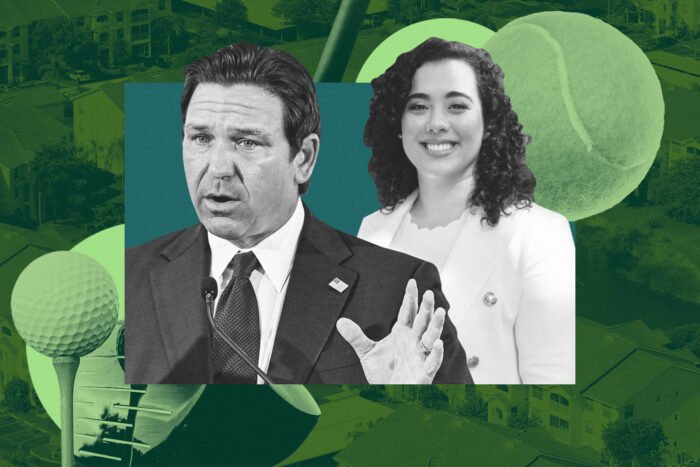
As South Florida continues to navigate the complexities of urban development and housing shortages, a recent legislative move by the Florida Legislature has cast a spotlight on the future of recreational spaces such as golf courses. The Infill Redevelopment Act, spearheaded by Senator Alexis Calatayud, proposes a significant shift in land-use policy, aiming to convert these exclusive landscapes into much-needed residential units.
Legislative Impacts on Local Governance
The Infill Redevelopment Act signifies a decisive step away from traditional zoning power, empowering state authorities to override local governance in favor of housing initiatives. This shift raises critical questions about the balance between community needs and state-level intervention, as it potentially paves the way for extensive redevelopment of recreational sites.
Affordable Housing: A Missing Component
While the legislation aims to address the pressing issue of affordable housing, analysts have pointed out a significant absence of concrete plans for ensuring that the new developments will be accessible to all residents. The focus on unlocking land for housing is clear, but without stringent affordability measures, the initiative risks favoring luxury developments over genuinely affordable options.
Economic Considerations and Community Response
Local economies are intricately linked to their recreational facilities. Golf courses and similar amenities not only contribute to the lifestyle appeal of South Florida but also support jobs and tourism. The potential conversion of these spaces into residential areas could lead to economic shifts that may not be uniformly beneficial. Community members are already voicing concerns about the loss of green spaces, which play a vital role in the quality of life and well-being of residents.
Architectural Opportunities and Challenges
The prospect of transforming golf courses into housing developments opens up unique architectural opportunities. Developers and architects can explore innovative designs that integrate residential living with open spaces, potentially creating vibrant communities that maintain some recreational elements. However, this must be balanced with the ecological implications of such developments, ensuring that environmental sustainability is not overlooked in the rush to build.
Future Outlook: Balancing Development and Preservation
As the legislation awaits the signature of Governor Ron DeSantis, stakeholders from various sectors are closely monitoring its implications. The intersection of real estate development, community values, and environmental stewardship will be crucial in shaping South Florida’s future. While the demand for housing grows, so too does the need for thoughtful dialogue about the preservation of spaces that contribute to the region’s unique charm.
Conclusion: A Call for Stakeholder Engagement
The unfolding scenario presents an opportunity for local officials, developers, and community members to engage in discussions that prioritize sustainable growth. As South Florida grapples with its housing crisis, it is imperative that any legislative initiatives foster inclusivity and maintain the essence of the community’s identity. The path forward must harmonize the necessity for housing with the preservation of the recreational and environmental assets that define this vibrant region.
Editorial note: This article was created by A Bit Lavish Miami’s Magazine as an original editorial reinterpretation based on publicly available reporting. Original source: therealdeal.com. Read the original article here: https://therealdeal.com/miami/2026/05/15/florida-lawmakers-target-golf-courses-for-housing/.
Images are used for editorial reference with source credit. If an image requires correction or removal, please contact A Bit Lavish.









The Intersection of Real Estate and Justice: A Troubling Case in Coral Springs
Exploring the implications of a self-defense claim in a tragic real estate...
 2 Mins read

Transformative Ventures: The Resurgence of Fort Lauderdale’s Hotel Maren
Explore the remarkable transformation and sale of the Hotel Maren in Fort...
2 Mins read

Baptist Health Expands Footprint with Strategic Acquisition in Coconut Creek
Baptist Health South Florida's recent purchase of a Kohl's property in Coconut...
2 Mins read



Navigating the Waters of Miami Real Estate: The Biscayne 21 Buyout Saga
Explore the intricate journey of Two Roads Development's condo buyout at Biscayne...
2 Mins read
