
American Businesses Face Squeeze from Tariffs and Rising Fuel Costs
MIAMI — September 20, 2026
American businesses are currently grappling with the compounded effects of tariffs, soaring fuel costs, and rising interest rates, leading to a challenging economic environment. This situation has been described by industry leaders as “awful,” highlighting the urgent need for strategic responses to mitigate these pressures.
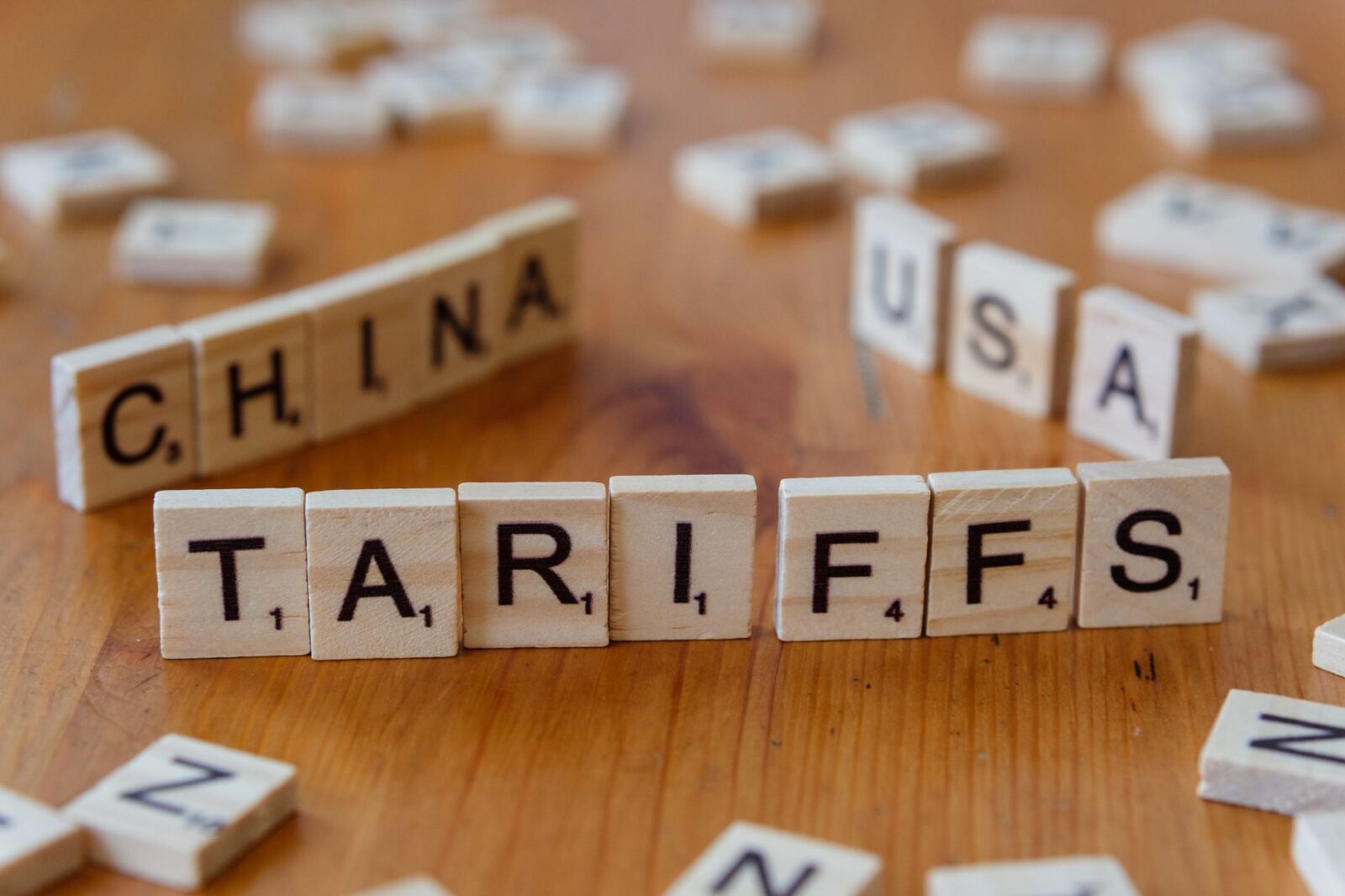
The recent report by CNBC, published on September 20, 2026, outlines how these economic factors are squeezing companies across various sectors. The tariffs, which have been a point of contention in U.S. trade policy, have led to increased costs for imported goods, directly affecting manufacturers and retailers. The rise in fuel costs, driven by global supply chain disruptions and geopolitical tensions, has further exacerbated the situation, impacting transportation and logistics costs.
Key players in the economy, including small businesses and large corporations, are feeling the strain. For instance, companies in the manufacturing sector have reported that the increased costs are forcing them to either raise prices or absorb losses, both of which could have long-term implications for profitability and market competitiveness. The retail sector is also facing challenges, as consumers may be reluctant to spend more amid rising prices.
The triggers for these developments can be traced back to a combination of factors, including ongoing trade disputes and the aftermath of the COVID-19 pandemic, which disrupted supply chains globally. Additionally, the Federal Reserve’s monetary policy, aimed at combating inflation, has led to higher interest rates, further complicating the financial landscape for businesses seeking loans or credit.
This story is receiving heightened attention now due to the potential implications for the broader economy. As businesses struggle to adapt, there are concerns about job losses, reduced consumer spending, and overall economic slowdown. The situation is particularly critical as the U.S. heads into a pivotal election year, where economic performance will be a key issue for voters.
The significance of these developments extends beyond local markets; they resonate nationally and globally. The interconnected nature of today’s economy means that challenges faced by American businesses can have ripple effects on international trade and economic stability. Countries that rely on exports to the U.S. may also feel the impact of reduced demand.
Looking ahead, businesses may need to explore innovative strategies to navigate these challenges. This could include diversifying supply chains, investing in technology to improve efficiency, or advocating for policy changes that could alleviate some of the financial burdens. Additionally, the government may need to consider measures to support affected industries, potentially through subsidies or adjustments to tariff policies.
In conclusion, the current economic pressures from tariffs and fuel costs present a significant challenge for American businesses, with potential implications for the broader economy. Stakeholders will need to remain vigilant and proactive in addressing these issues to ensure resilience in the face of adversity.
Source: CNBC










Navigating the New Frontier: AI Labs and the Safety Imperative
Exploring the strategic interplay between AI safety initiatives and competitive advantage among...
 2 Mins read

Federal Reserve Raises Interest Rates by a Quarter Point to Combat Inflation
The Federal Reserve's recent decision to increase interest rates marks a significant...
1 Mins read

Federal Reserve’s Kashkari Issues Stark Inflation Warning, Advocates for Rate Hikes
Neel Kashkari, President of the Federal Reserve Bank of Minneapolis, has raised...
2 Mins read



India Faces Potential 50 Basis Points Rate Hike Amid Federal Reserve Tightening
As the U.S. Federal Reserve tightens its monetary policy, India may respond...
2 Mins read

Leave a comment