
Art Under Siege: The Struggle of Activism in Indian Contemporary Art

The Unfolding Narrative of Dissent
In the vibrant realm of contemporary art, the canvas often serves as a battleground for societal issues. The recent arrest of Indian artist Srishti Gupta has thrown a glaring spotlight on the fraught intersection of artistic expression and political dissent. Gupta’s situation is emblematic of a broader, troubling trend where the voices of artists and activists are increasingly stifled, raising critical questions about freedom, expression, and the role of art in societal change.
Activism as Artistic Expression
Gupta’s work, known for its poignant commentary on social justice and labor rights, resonates deeply within the contemporary art scene, reflecting the struggles of marginalized communities. Her arrest in April this year, linked to her activism during a workers’ protest, underscores a significant cultural moment—one where art transcends aesthetics and becomes a vehicle for advocacy.
This incident raises profound inquiries into the responsibilities of artists in society. As collectors and connoisseurs, understanding the context and meaning behind a piece enhances its value, turning it into more than just an object of beauty but a statement of resilience and purpose.

The Provenance of Protest
Art has long been a vehicle for protest, serving not just as a reflection of societal issues but as an active participant in the discourse of change. Gupta’s work, which often draws from the realities of labor struggles, showcases the potential of art as a form of resistance against oppression.
In the context of the Indian political landscape, where dissent is increasingly criminalized, Gupta’s commitment to her art and advocacy can be viewed through the lens of provenance. Collectors with a keen eye for historical significance may find that the story behind a piece—its creation in a time of turmoil and its ties to an artist’s activism—can enhance its market value and cultural relevance.
The Rarity of Courage
In today’s global market, the rarity of courageous voices like Gupta’s adds a layer of significance to their works. The art world thrives on narratives that challenge the status quo, and Gupta’s ongoing plight highlights the precarious position of many contemporary artists. As more individuals are drawn to collecting pieces with powerful stories, the demand for art that embodies both aesthetic beauty and profound social commentary is on the rise.
- Historical context: Understanding the backdrop of an artist’s work enriches the collector’s experience.
- Investment potential: Art that is tied to significant social movements often appreciates in value, as it gains recognition over time.
- Legacy of the artist: The ongoing narratives surrounding artists like Gupta can create a lasting impact on their legacy, influencing future generations of collectors and artists alike.
Miami’s Role in Global Discourse
As a city that thrives on cultural exchange and artistic innovation, Miami holds a unique position in the global art market. The recent events surrounding Gupta’s arrest resonate with the local community, where diversity and activism are integral to the city’s identity. Miami collectors and art enthusiasts are increasingly recognizing the importance of supporting artists who engage in meaningful dialogue through their work.
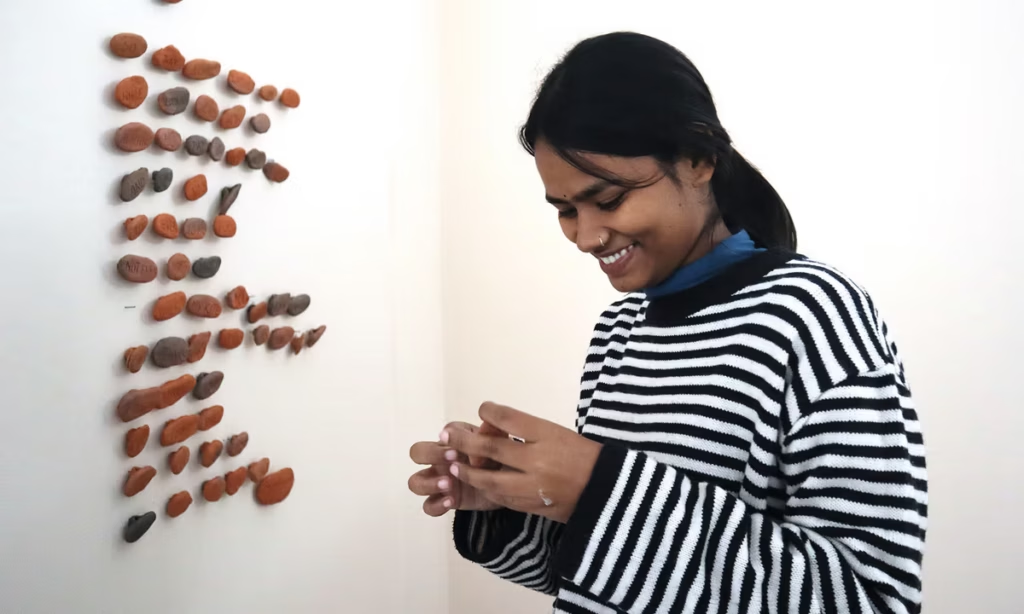
In a marketplace that often prioritizes commercial success, there is a growing movement among Miami’s art community to champion pieces that challenge norms and provoke thought. Supporting artists like Gupta not only contributes to their cause but also enriches the cultural fabric of Miami, fostering an environment where art can thrive as a catalyst for change.
A Call to Action for Collectors
As the art world grapples with the implications of Gupta’s arrest, collectors have a pivotal role to play. By choosing to invest in works that embody social consciousness, collectors can influence the narrative around art as a tool for activism. This alignment not only positions them as stewards of cultural heritage but also as advocates for freedom of expression.
In conclusion, the story of Srishti Gupta serves as a reminder of the power of art to inspire change and the importance of supporting those who dare to challenge the status quo. As the landscape of contemporary art continues to evolve, let us remember that the pieces we choose to collect are not just investments; they are statements of our values and beliefs.
Editorial note: This article was created by A Bit Lavish Miami’s Magazine as an original editorial reinterpretation based on publicly available reporting. Original source: theartnewspaper.com. Read the original article here: https://www.theartnewspaper.com/2026/08/05/criminalisation-of-dissent-indian-artist-remains-behind-bars-after-workers-protest.
Images are used for editorial reference with source credit. If an image requires correction or removal, please contact A Bit Lavish.










Echoes of History: The Loss of a 300-Year-Old Cossack Church in Ukraine
Exploring the cultural significance and tragic loss of the Holy Presentation Church,...
 2 Mins read

A New Chapter: Tim Reeve Takes the Helm at English Heritage
Tim Reeve, former deputy director of the V&A, embarks on a significant...
2 Mins read

A Cultural Exchange: Islamic Art Treasures from the Louvre to Enrich Washington’s Museum Scene
Explore the significance of the Louvre's upcoming loan of Islamic art to...
2 Mins read



AFLW Superstars Arnell, Randall, and Kearney Sign with Fox Footy and Kayo Sports for 2026 Season
The inclusion of AFLW stars in major broadcasting platforms signals a pivotal...
1 Mins read

Leave a comment