

A Visionary Start
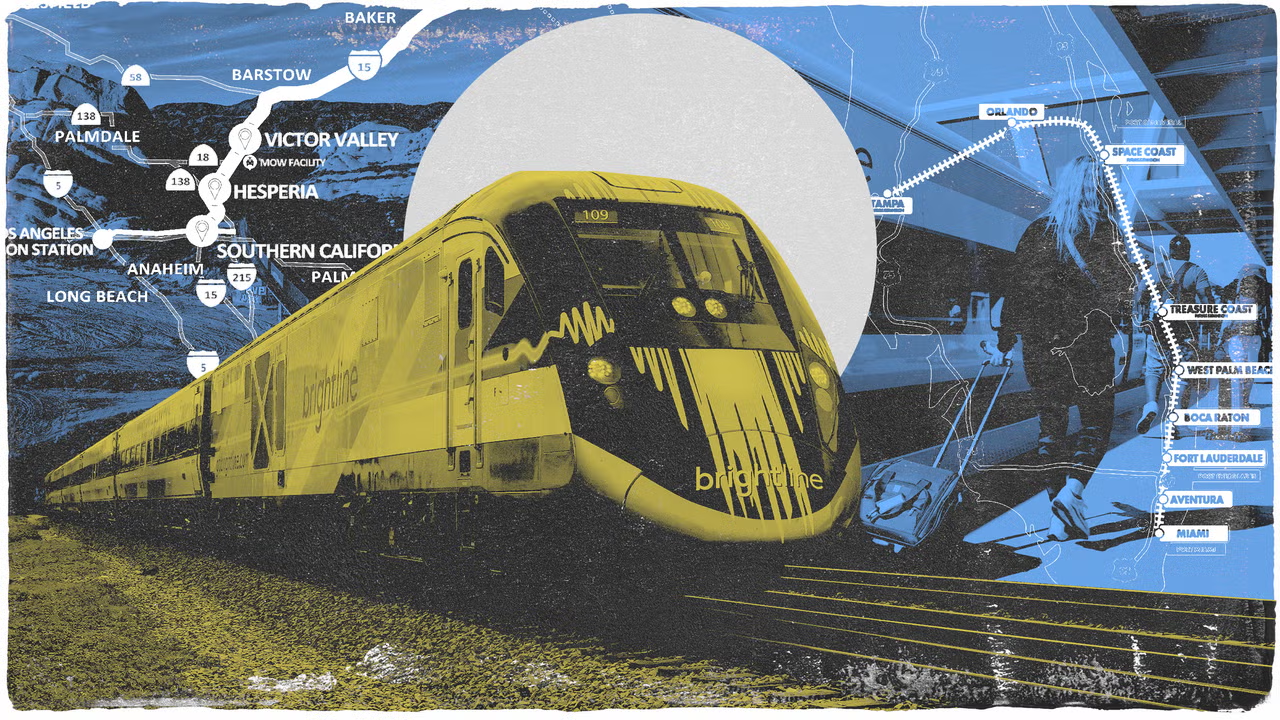
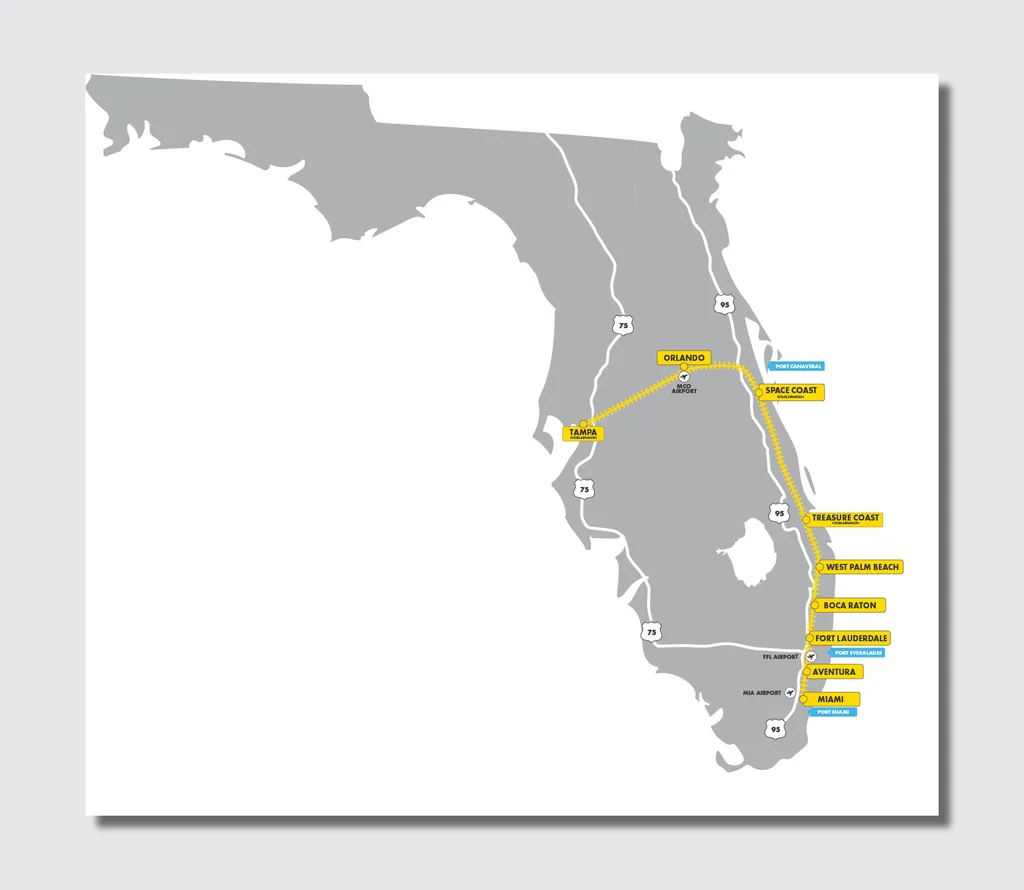
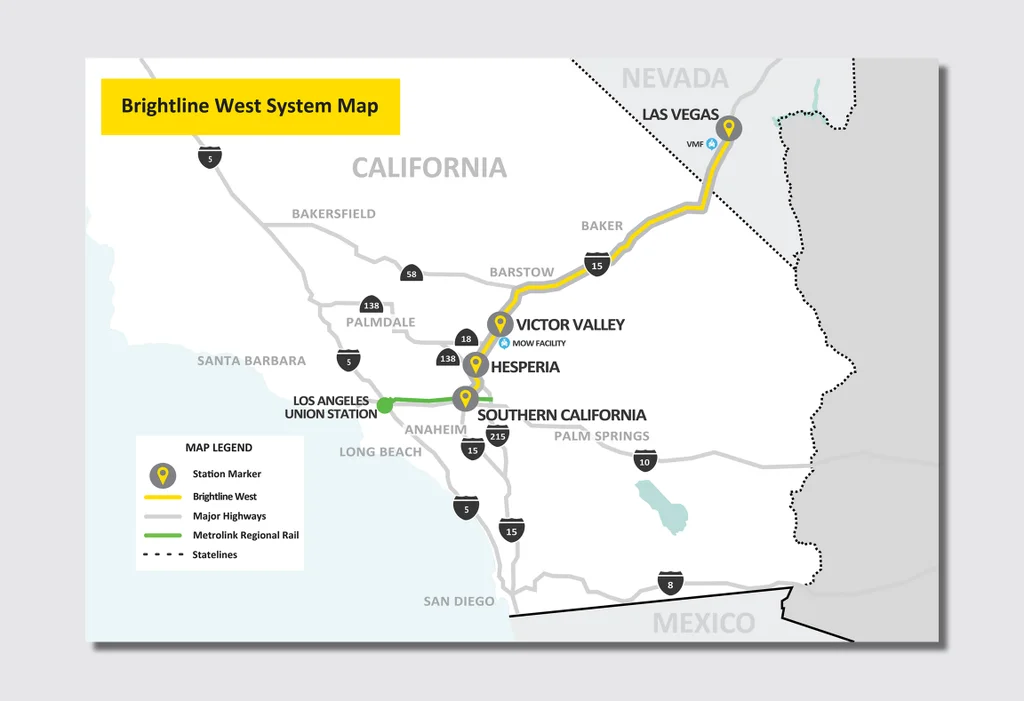
When Brightline first embarked on its journey in Florida five years ago, it heralded a new era for passenger rail in the United States. This modern, privately-owned rail service emerged as a beacon of hope for those who believed in the potential of trains as a viable alternative to air travel and driving. With sleek trains offering amenities like complimentary Wi-Fi and stations designed to evoke the elegance of hotel lobbies, Brightline aimed to revolutionize the travel experience across a 200-mile stretch connecting six cities, including the vibrant Miami and Orlando.
Riding the Wave of Popularity
Despite the initial enthusiasm, Brightline now finds itself on precarious ground, grappling with significant financial hurdles. While ridership has surged by 20% compared to last year, the growth trajectory has not met the company’s ambitious projections. As the specter of bankruptcy looms, questions arise about the sustainability of private passenger rail in America and the essential role of government support in ensuring its success.
The Genesis of Brightline
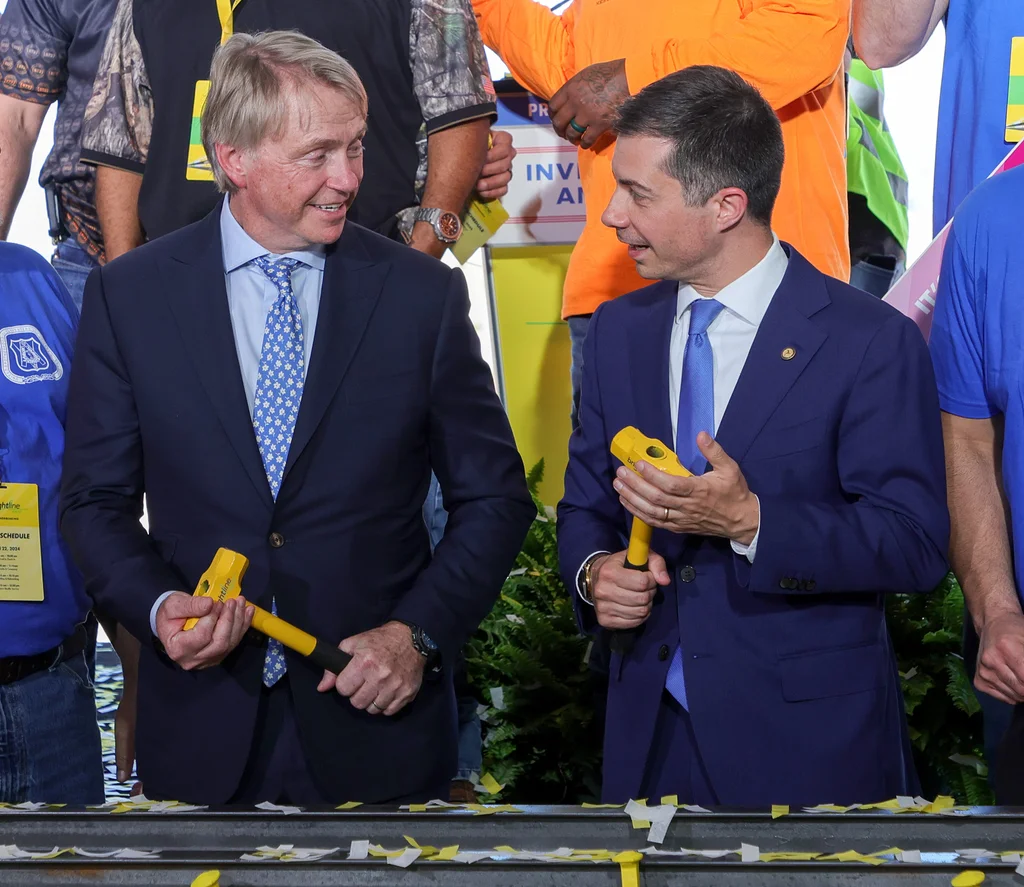
Wes Edens, the visionary behind Brightline and co-owner of the Milwaukee Bucks, drew inspiration from the historical impact of rail transport in Florida. Recognizing the potential to reinvigorate passenger rail, Edens set out to create a service that mirrored the successes of European rail systems. The initial steps involved upgrading freight tracks and constructing modern stations, culminating in the launch of its first service between Miami and Fort Lauderdale in 2018.
Designing the Passenger Experience
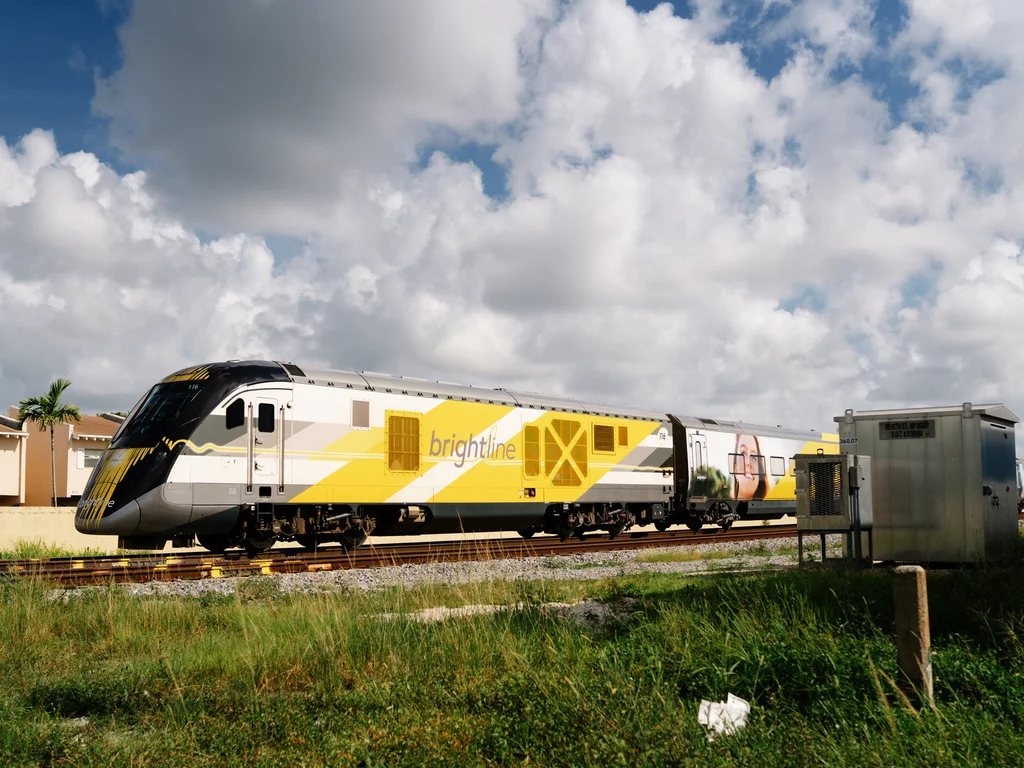
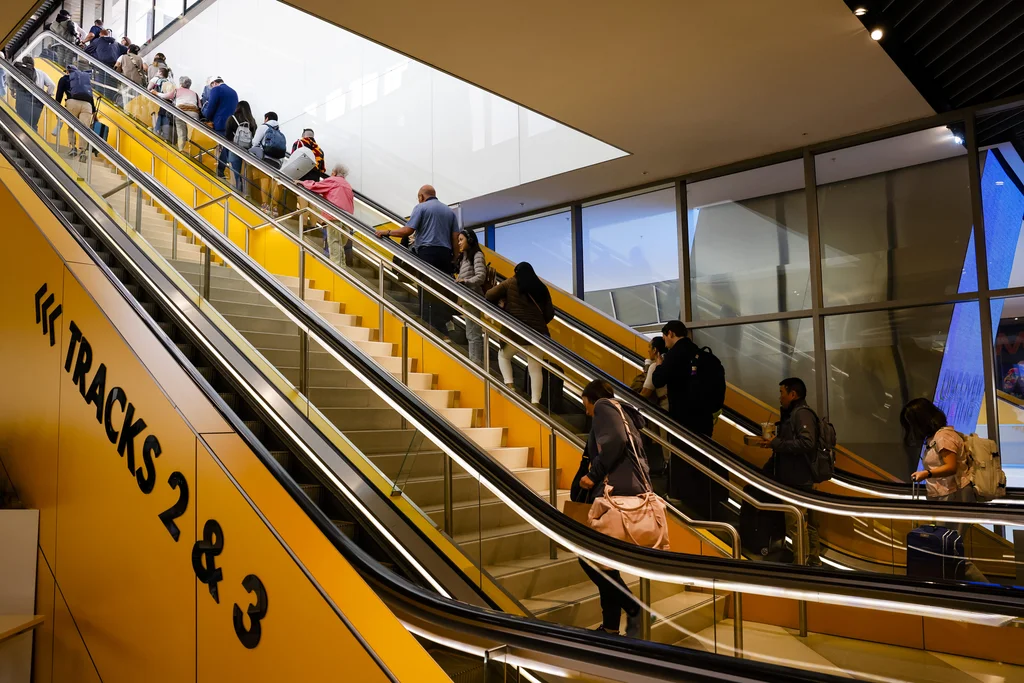
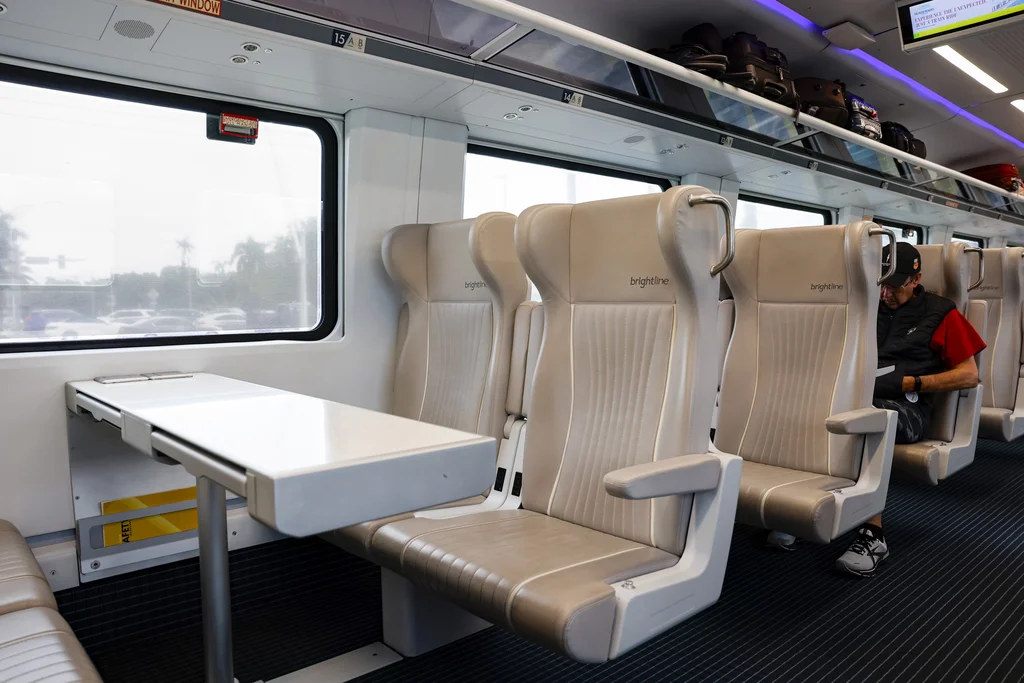
Brightline’s commitment to customer experience is evident in its meticulously crafted environment. From the citrus-scented stations to the spacious, comfortable trains, every element has been designed to provide a premium travel experience that rivals air travel. Passengers can avoid the long waits associated with flying, all while enjoying a journey that is often more relaxing than navigating Florida’s congested highways.
Navigating the Challenges of Speed and Safety
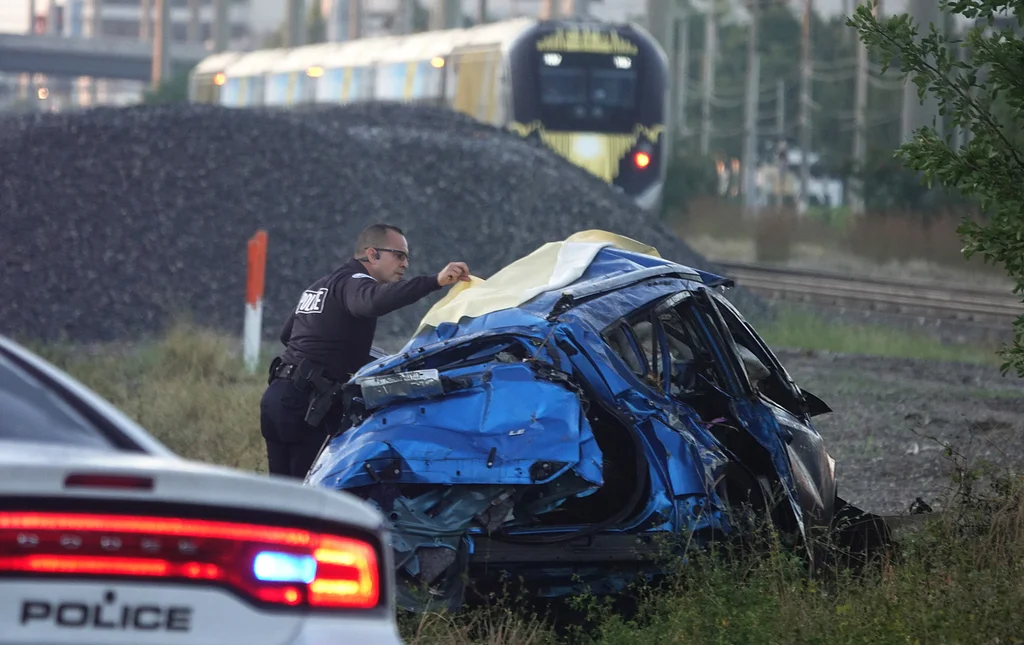
While Brightline boasts speeds of up to 125 miles per hour, it falls short of the high-speed rail systems found in other parts of the world, which can reach speeds of 200 miles per hour. This limitation raises questions about its competitiveness against air travel. Furthermore, the system has faced significant safety challenges, with a troubling record that has made it one of the deadliest in the country. The reliance on existing tracks, which were not originally designed for high-speed passenger service, has contributed to these accidents, primarily involving pedestrians and cyclists.
Financial Sustainability and Future Prospects
As Brightline continues its expansion—most recently with an extension to Orlando—its financial model is under scrutiny. The company has struggled with high operational costs and a reliance on dynamic pricing strategies that have not fully materialized into the expected revenues. With significant debts looming, including a potential default on bonds that could send shockwaves through the municipal bond market, the path forward appears fraught with uncertainty.
A Call for Support and the Future of Rail in America
Despite Brightline’s challenges, it stands as a testament to the American appetite for rail travel. As ridership numbers indicate a strong interest in train travel as a viable alternative, the case for increased government investment in rail infrastructure becomes clearer. Comparisons to heavily subsidized air and road travel highlight a disparity that raises questions about the future of rail as a sustainable transport option in the U.S.
As Brightline navigates this complex landscape, it remains a crucial player in demonstrating that private rail can attract significant ridership, even in a country where trains have historically struggled. Whether it survives the current financial turbulence will depend on a combination of strategic innovation and potentially greater governmental support.
Editorial note: This article was created by A Bit Lavish Miami’s Magazine as an original editorial reinterpretation based on publicly available reporting. Original source: fastcompany.com. Read the original article here: https://www.fastcompany.com/91552398/brightline-proved-america-wants-trains-can-it-survive.
Images are used for editorial reference with source credit. If an image requires correction or removal, please contact A Bit Lavish.










Navigating the New Landscape of Home Affordability: A Deep Dive into Market Trends
Explore the evolving dynamics of home affordability in the U.S. housing market...
 2 Mins read

Rethinking Economic Narratives: The End of the K-Shaped Economy?
Treasury Secretary Scott Bessent declares the end of the K-shaped economy, but...
2 Mins read
Fantasy Baseball Trade Deadline Spurs Strategic Shifts in Bullpen Dynamics
The August 2026 trade deadline reshapes bullpen roles, impacting team strategies and...
1 Mins read



Jefry Yan Celebrations Mark a New Era in Major League Baseball
The global sports community recognizes Jefry Yan's achievements, highlighting the evolving landscape...
1 Mins read
