

A New Era of Conscious Consumption
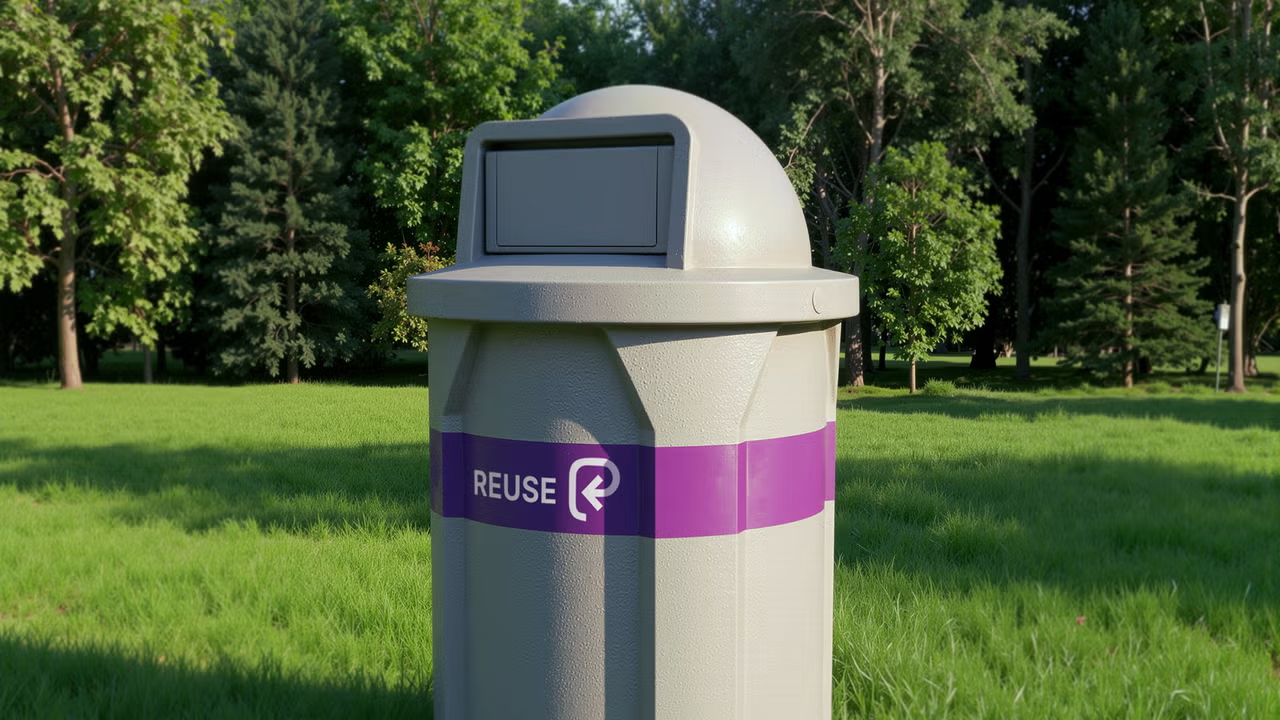
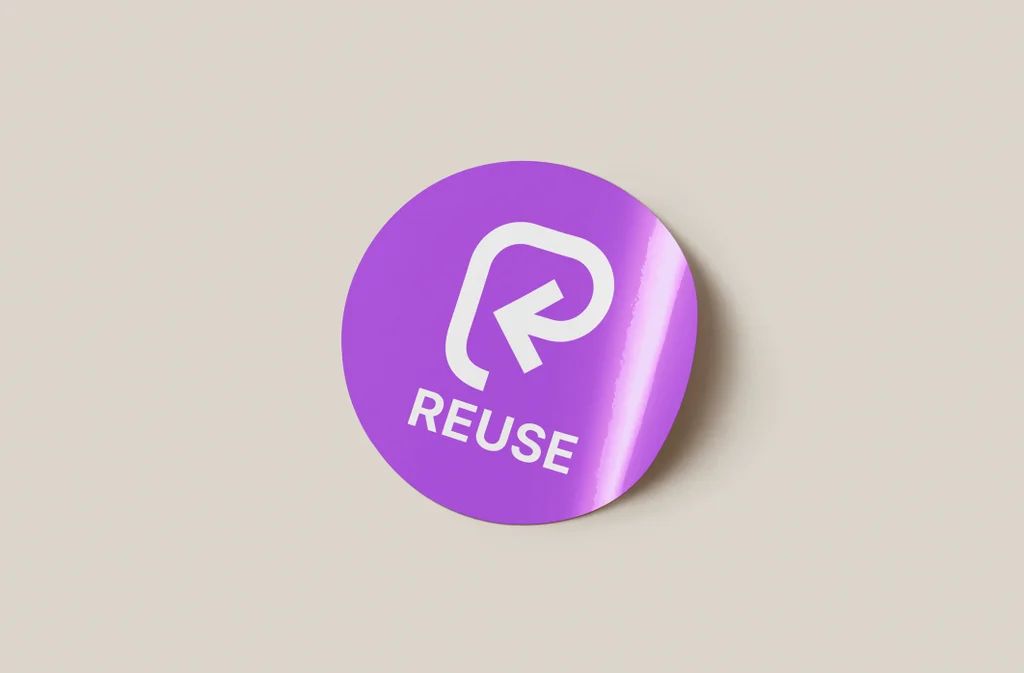
Imagine a bustling stadium where the pulse of music reverberates through the air, and instead of disposable plastic cups filling the hands of concert-goers, there are sturdy, reusable alternatives. This shift is not merely a fleeting trend; it is the dawn of a new era in consumer behavior, driven by a growing recognition of the unsustainable practices of the past. A new symbol, designated for reuse, is set to play a pivotal role in this transformative journey.
The Birth of the Reuse Symbol
Launched by the Global Alliance to Advance Reuse (PR3), this symbol emerges against the backdrop of an escalating plastic waste crisis. Currently, a staggering 91% of plastic is either landfilled, incinerated, or lost to the environment. The introduction of this reuse icon aims to shift the paradigm from recycling to a more proactive approach to sustainability—keeping packaging in circulation and minimizing the carbon footprint associated with single-use products.
A Design Inspired by Cultural Philosophy
In a bold move, PR3 held an open competition to design the new symbol, resulting in a remarkable response that included 236 submissions from around the globe. The winning design, crafted by Bogotá-based Epigrama Studios, features a spiral that subtly incorporates the letter ‘R.’ This innovative design reflects a philosophy that values cyclical time, contrasting sharply with the linear consumer culture that dominates the Global North. The spiral not only symbolizes the potential for renewal but also serves as an invitation for collective action in the fight against waste.
From Concept to Reality: Real-World Applications
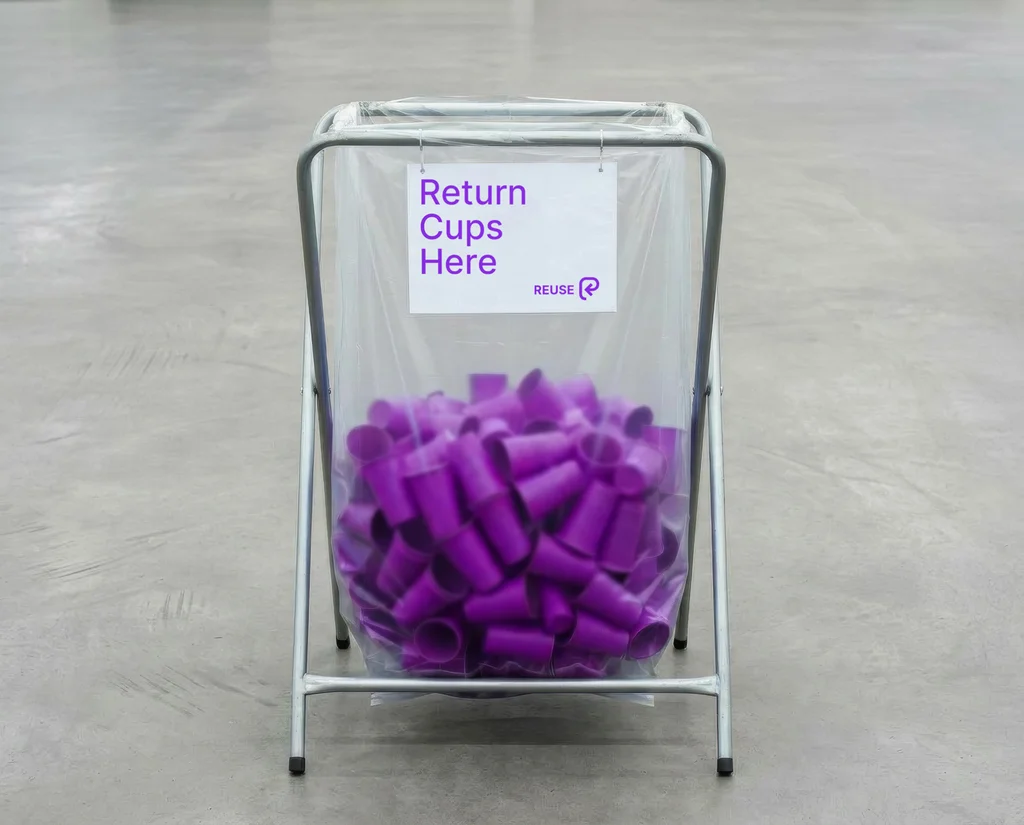
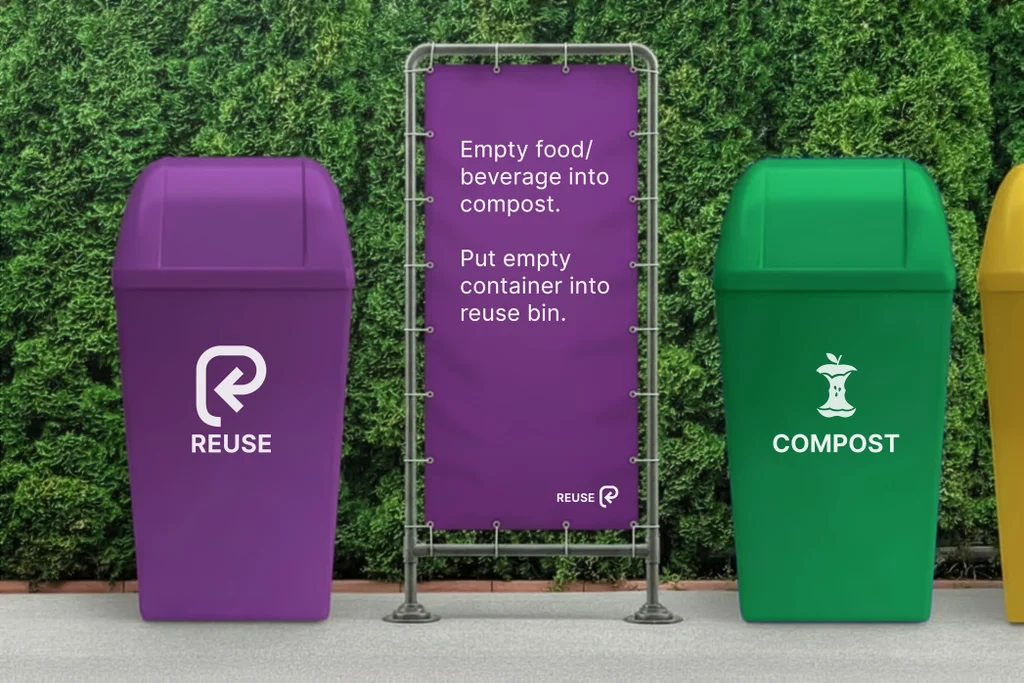
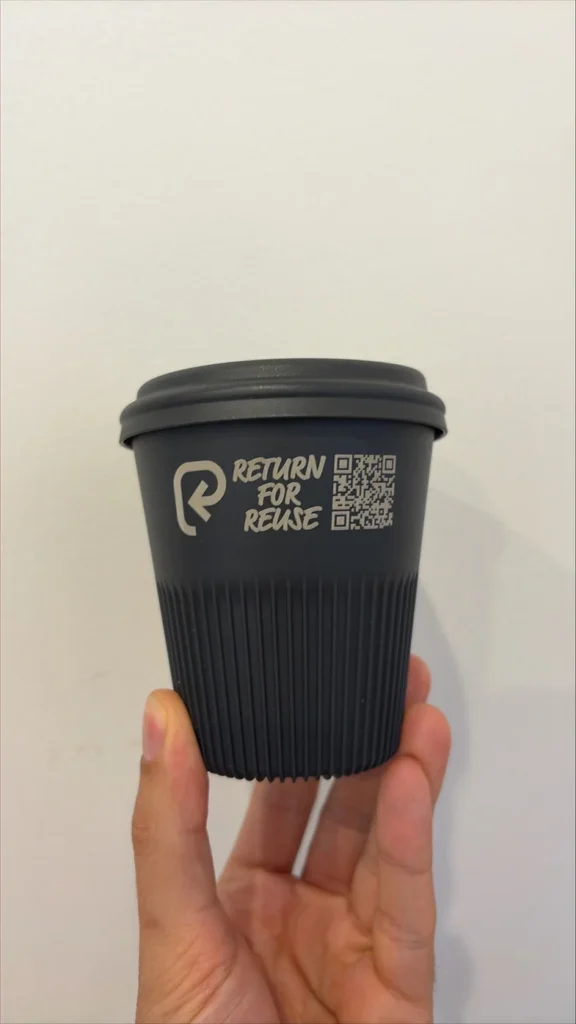
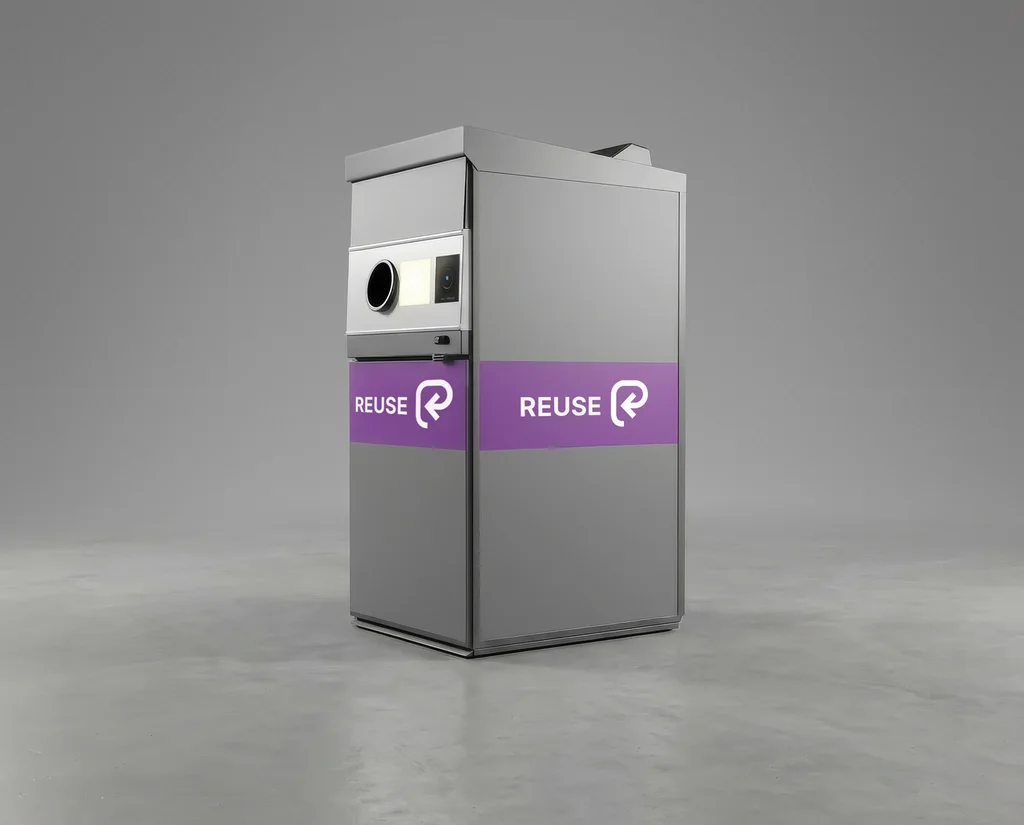
The journey from design to implementation is complex, yet the new symbol is already making its way into various reusable products. Brands like Solo are adopting the symbol, marking their reusable cups as part of a growing movement towards sustainability. Stadiums, often at the forefront of innovation, are becoming early adopters of this system, allowing for seamless integration of reuse practices without the burden of extensive infrastructure changes. Service providers manage the logistics of washing and tracking, making it simpler for venues to participate in this sustainable shift.
A Roadmap to Widespread Adoption
The history of reusable systems is fraught with well-intentioned initiatives that failed to gain traction. However, PR3’s current efforts represent a significant departure from past attempts. With a comprehensive framework for standards and logistics now in play, including input from over 80 organizations, the groundwork is being laid for a scalable reuse system. This collaborative approach involves diverse stakeholders, from multinational corporations to local environmental advocates, all working towards common goals.
Embracing Change: The Cultural Shift
As we move towards a tipping point in consumer consciousness, the cultural landscape is shifting. There is a palpable desire among individuals and companies alike to enact positive change. The new reuse symbol is not just a mark; it is a beacon of hope, representing a collective commitment to sustainability. As more brands and consumers embrace this symbol, it can catalyze a wider movement towards a circular economy, where waste is minimized, and resources are valued.
Conclusion: A Future of Possibilities
The introduction of the reuse symbol signifies more than just a new logo; it heralds a potential revolution in our approach to consumption. As Miami continues to position itself as a hub of innovation and sustainability, the city can play a crucial role in championing these initiatives. By supporting and promoting the adoption of reusable systems, Miami can lead the way in creating a future where sustainability is not just an option but an integral part of our daily lives.



Editorial note: This article was created by A Bit Lavish Miami’s Magazine as an original editorial reinterpretation based on publicly available reporting. Original source: fastcompany.com. Read the original article here: https://www.fastcompany.com/91551698/reuse-symbol-design.
Images are used for editorial reference with source credit. If an image requires correction or removal, please contact A Bit Lavish.










Navigating the New Landscape of Home Affordability: A Deep Dive into Market Trends
Explore the evolving dynamics of home affordability in the U.S. housing market...
 2 Mins read

Rethinking Economic Narratives: The End of the K-Shaped Economy?
Treasury Secretary Scott Bessent declares the end of the K-shaped economy, but...
2 Mins read
Fantasy Baseball Trade Deadline Spurs Strategic Shifts in Bullpen Dynamics
The August 2026 trade deadline reshapes bullpen roles, impacting team strategies and...
1 Mins read



Jefry Yan Celebrations Mark a New Era in Major League Baseball
The global sports community recognizes Jefry Yan's achievements, highlighting the evolving landscape...
1 Mins read
