
Brightline Retail: A Looming Foreclosure and Its Implications for Miami’s Urban Landscape
 ABLUpdated 1 day Ago3 Mins read7
Urban Transit and Retail: A Fragile Balance
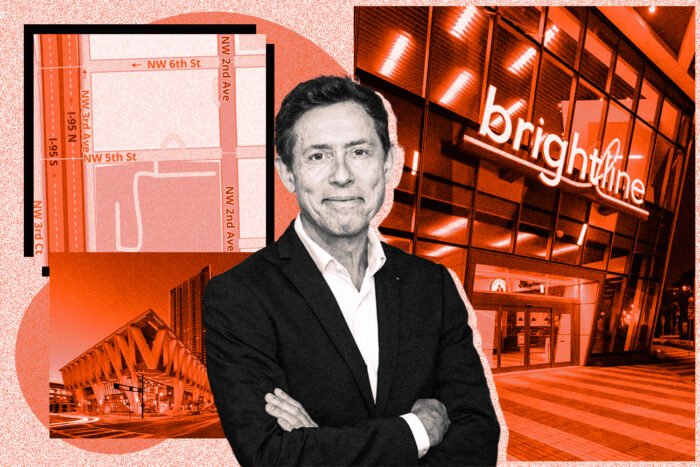
In the heart of Miami, the vibrant intersection of transit and commerce faces a significant challenge. The retail space at MiamiCentral station, a vital hub for Brightline’s rail operations, is under the threat of a $65 million foreclosure. This legal action, initiated by U.S. Bank on behalf of two lender groups, underscores the complexities of urban retail development tied to transportation infrastructure.
This foreclosure lawsuit targets Brightline Investment Holdings, a subsidiary responsible for the management of the retail operations at the station located at 600 Northwest First Avenue. Importantly, the lawsuit does not extend to the transit operations of Brightline itself, highlighting a separation between the retail and transportation components of this urban development.
The Financial Landscape of Brightline
Brightline’s financial health has been a topic of scrutiny, particularly as the company navigates its own debt and profitability challenges. The dual nature of the business—providing transit services while also managing substantial retail space—adds layers of complexity to its financial operations.
As Miami continues to evolve as a major urban center, the interplay between transit viability and retail success becomes more pronounced. The situation at MiamiCentral raises questions about the sustainability of retail spaces connected to public transportation, especially in an era marked by changing consumer habits and economic uncertainties.
Real Estate Dynamics in Downtown Miami
The implications of this foreclosure extend beyond the confines of the station. Miami’s real estate market has been characterized by rapid growth and significant investments, with major players like Blackstone acquiring office buildings in the vicinity. In 2021, Blackstone-managed funds purchased nearby office properties for a staggering $230 million, illustrating the high-stakes nature of Miami’s urban landscape.
As investors continue to pour resources into the downtown area, the potential fallout from the Brightline retail situation could influence perceptions of risk among stakeholders. If the retail component falters, it may prompt a reevaluation of future investments tied to similar transit-oriented developments.
Architectural Significance and Urban Planning
MiamiCentral is more than just a transit station; it is a testament to modern architectural ambition and urban planning. Designed to integrate seamlessly into the city’s fabric, the station aims to foster connectivity while encouraging economic growth in the surrounding area. However, the looming foreclosure casts a shadow over this vision.
The architectural significance of such developments cannot be overstated. They are meant to serve as catalysts for urban regeneration, but financial instability can hinder their potential, leading to underutilized spaces and a lack of vibrancy that is critical for a thriving urban environment.
Challenges and Opportunities Ahead
The events unfolding at MiamiCentral reflect broader trends and challenges within the real estate sector, particularly concerning transit-oriented developments. Investors and urban planners alike must grapple with the realities of an evolving market that demands adaptability and foresight.
As Miami continues to attract affluent residents and businesses, the success of retail spaces like those at MiamiCentral will be critical in shaping the city’s economic landscape. The challenge lies in ensuring that these spaces are not only viable but also vibrant and engaging, fostering a sense of community and enhancing the overall urban experience.
Looking Forward: A City on the Move
As the Brightline retail foreclosure saga unfolds, Miami stands at a crossroads. The city has the potential to redefine urban living, but it must address the delicate balance between transit and commerce. Stakeholders may need to rethink strategies, innovate solutions, and perhaps even collaborate in new ways to breathe new life into these essential spaces.
The future of Miami’s urban landscape will depend on how effectively it can navigate these challenges, ensuring that its ambitious developments do not just survive but thrive in a competitive market. With the right approach, Miami can continue to be a beacon of growth and opportunity, even in the face of adversity.
Editorial note: This article was created by A Bit Lavish Miami’s Magazine as an original editorial reinterpretation based on publicly available reporting. Original source: therealdeal.com. Read the original article here: https://therealdeal.com/miami/2026/08/05/brightlines-miami-retail-hit-with-65-million-foreclosure/.
Images are used for editorial reference with source credit. If an image requires correction or removal, please contact A Bit Lavish.









Market Shake-Up: The Impact of Moe’s Bankruptcy on Florida’s Retail Landscape
Explore the ramifications of the recent bankruptcy filing by a major Moe's...
 3 Mins read

Grant Cardone Expands His Real Estate Empire with Naples Acquisition
Explore Grant Cardone's latest $90 million acquisition in Naples, reflecting his strategy...
2 Mins read
Navigating the Future: Florida’s Hesitation Towards Hyperscale Data Centers
Explore Florida's complex landscape of hyperscale data center developments, where community concerns...
2 Mins read



A New Era for Emerald Hills: Transforming Golf Course to a Vibrant Community Hub
Exploring the ambitious redevelopment of The Club at Emerald Hills in Hollywood,...
2 Mins read

Leave a comment