
Brussels Reevaluates China Relations Amidst Taiwan’s Crucial Role in European AI Aspirations
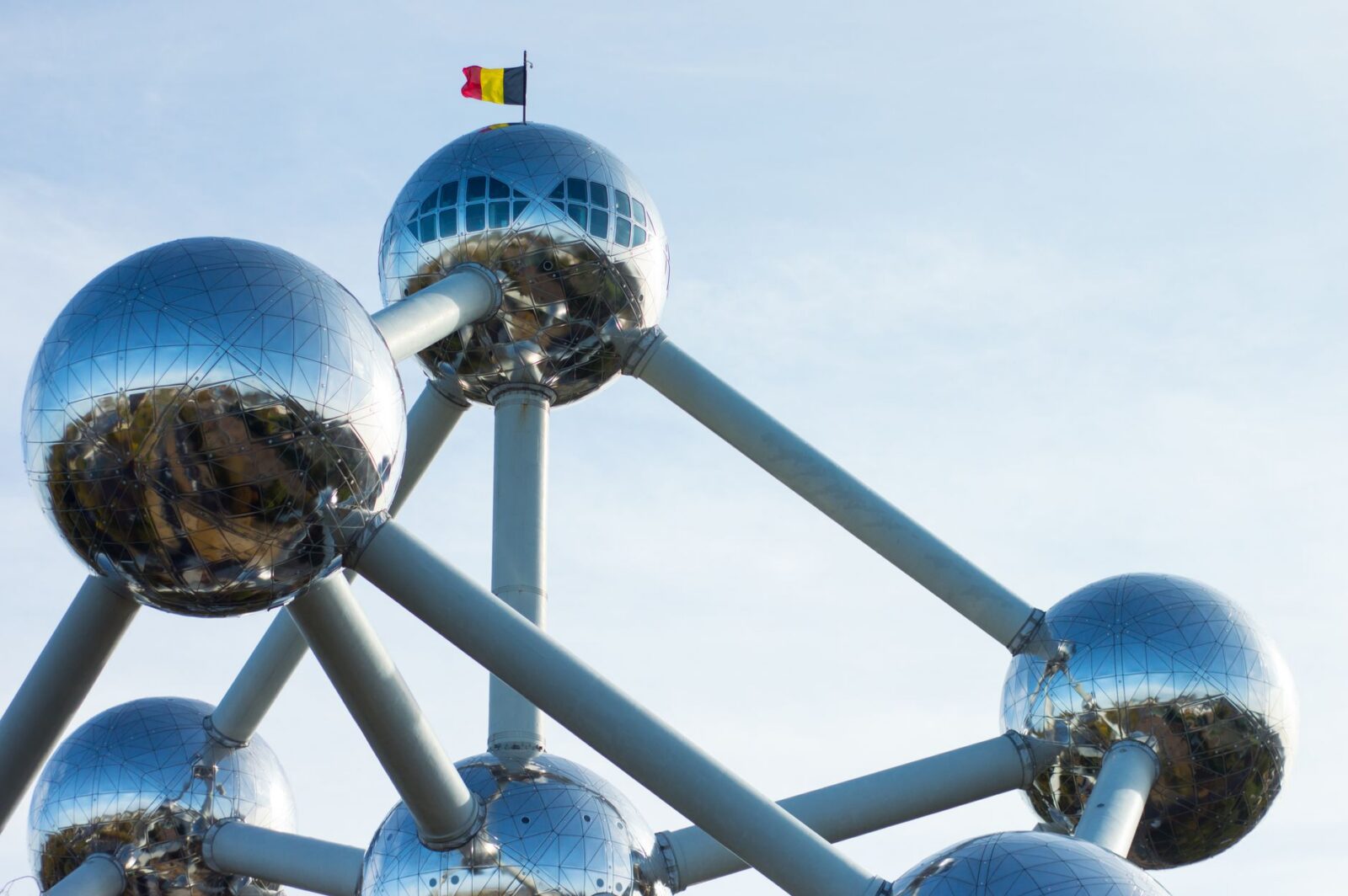
In a significant development on June 16, 2026, Brussels has initiated a comprehensive review of its diplomatic and economic relationship with China. This reassessment is prompted by increasing geopolitical tensions and concerns regarding China’s assertive policies in the Indo-Pacific region. The European Union (EU), which has historically maintained a complex but cooperative relationship with Beijing, is now prioritizing its strategic autonomy and security interests. Key EU policymakers, including European Commission President Ursula von der Leyen, are advocating for a more cautious approach that balances economic engagement with a robust stance on human rights and regional stability.
Simultaneously, the EU’s ambitions in artificial intelligence (AI) are becoming increasingly intertwined with Taiwan’s technological capabilities. Taiwan, a global leader in semiconductor manufacturing, is viewed as critical to the EU’s plans to enhance its AI infrastructure. As Europe seeks to bolster its digital economy, the reliance on Taiwanese technology raises questions about supply chain vulnerabilities and geopolitical dependencies. The ongoing tensions between China and Taiwan further complicate this relationship, as Europe must navigate its interests while supporting Taiwan against potential aggression from Beijing.
This recalibration of EU-China relations and the focus on Taiwan’s role in AI development is of paramount importance in today’s global landscape. As nations grapple with the implications of technological advancements, the EU’s strategy could set a precedent for how democratic nations engage with authoritarian regimes. The outcomes of these shifts will likely influence global markets, technology standards, and international alliances.
Looking ahead, the EU’s approach to China and Taiwan will undoubtedly shape its future economic policies and diplomatic engagements. A more assertive stance could lead to increased tensions with Beijing, while a failure to effectively support Taiwan may undermine the EU’s technological ambitions. Stakeholders in both Europe and Asia will be closely monitoring these developments, as they hold profound implications for international relations and global economic stability.
Source: Table.Briefings








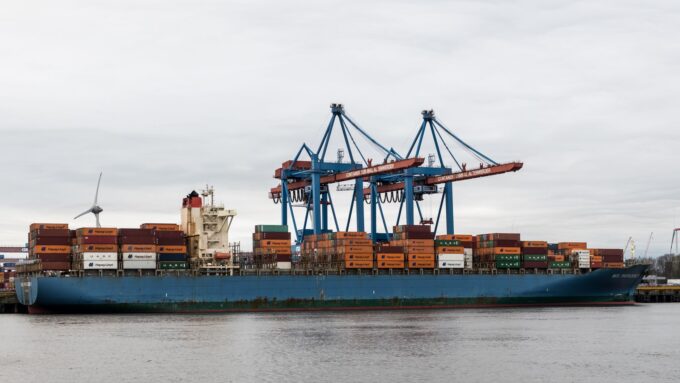
Belgium’s Russian Gas Imports Surge Amid Ongoing Energy Crisis
Belgium's increased Russian gas imports raise significant geopolitical concerns as Europe navigates...
 1 Mins read
Trump’s Bathroom Preferences Raise Concerns Over White House Hygiene Standards
Trump's bathroom habits could pose significant hygiene risks, impacting the integrity of...
1 Mins read

US-Iran Tensions Escalate as Ceasefire Holds Amid Airspace Closures
Global leaders watch closely as US-Iran tensions rise, impacting international security and...
1 Mins read



Trump convenes at Camp David amid escalating Iran deal opposition
Global leaders must scrutinize the implications of Trump's Camp David meetings as...
1 Mins read

Leave a comment