

A Journey to the Heights
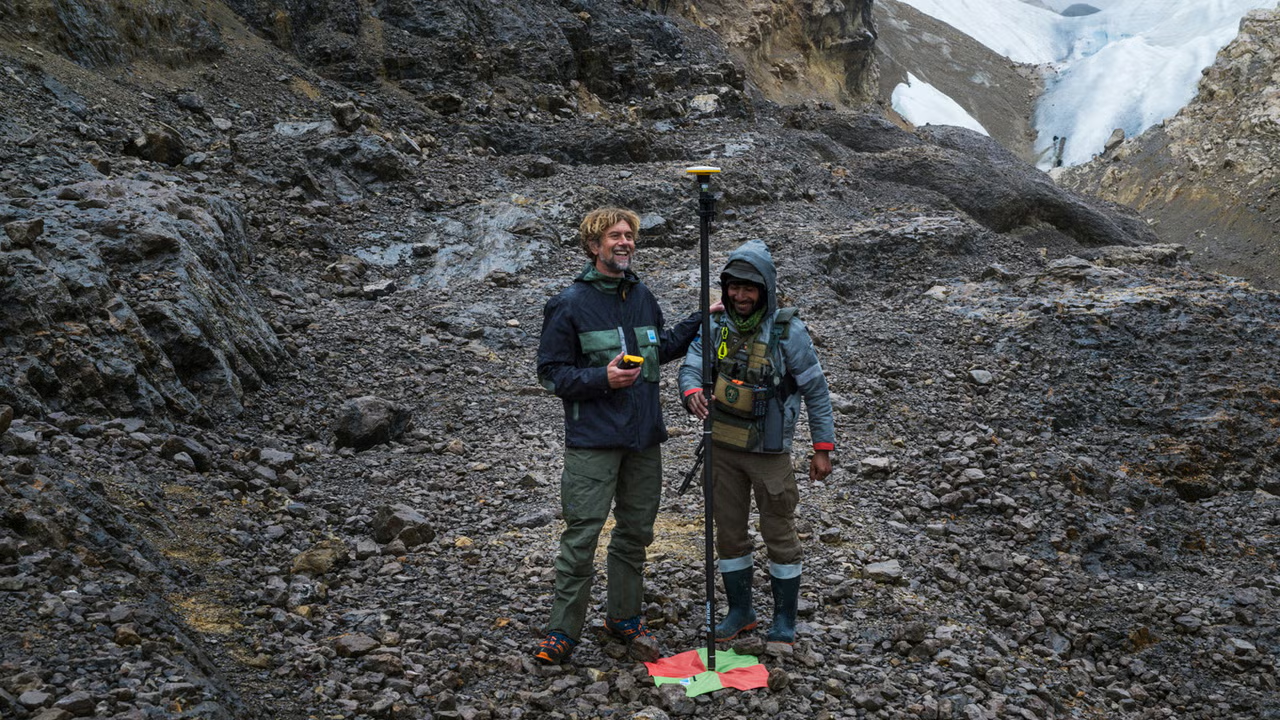
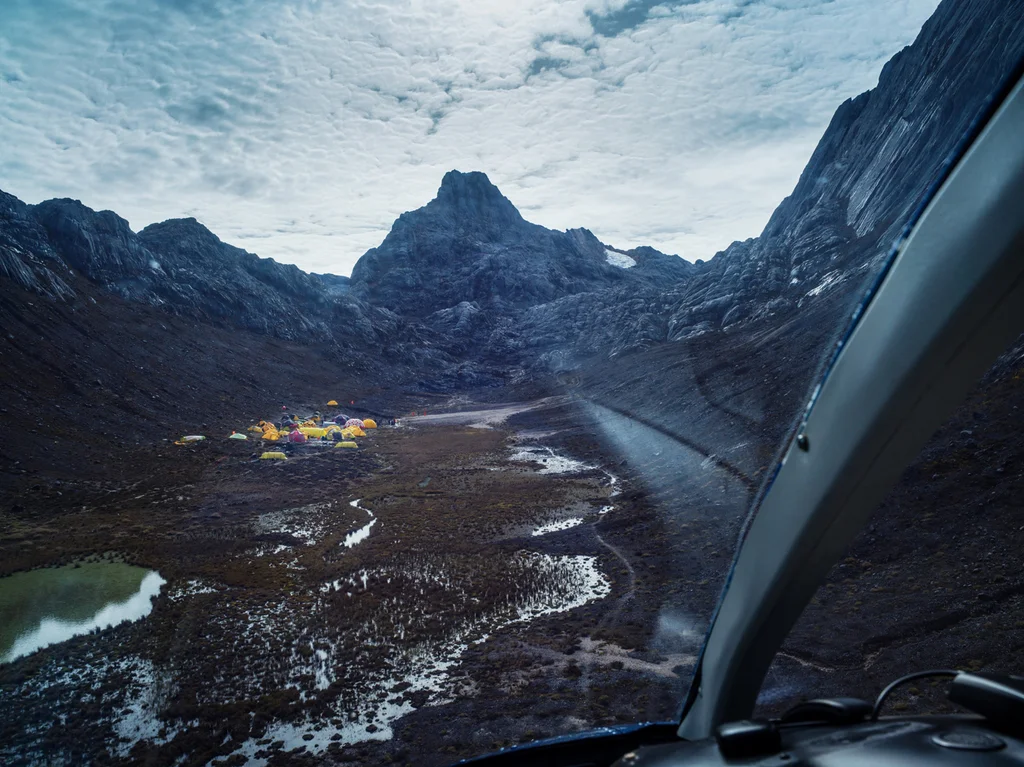
In the remote highlands of Indonesia, where the lush greenery of rainforests meets the icy remnants of a bygone era, Klaus Thymann embarked on a mission that transcends mere exploration. He sought to document one of the world’s last tropical glaciers, situated near the summit of Puncak Jaya, Indonesia’s tallest mountain. With a backdrop of civil unrest and treacherous terrain, the journey was fraught with challenges, yet essential for understanding our planet’s evolving climate.
The Urgency of Documentation
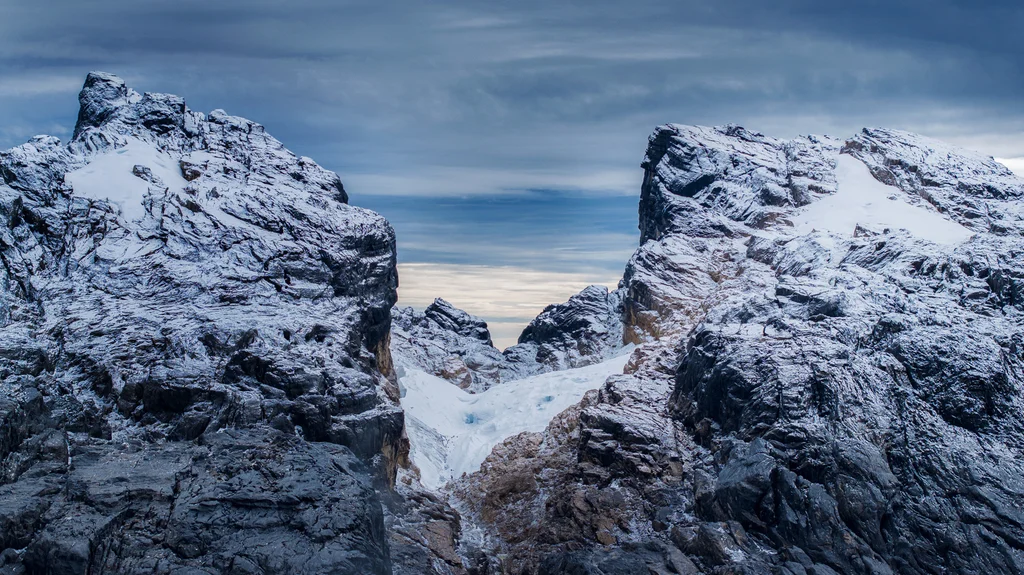
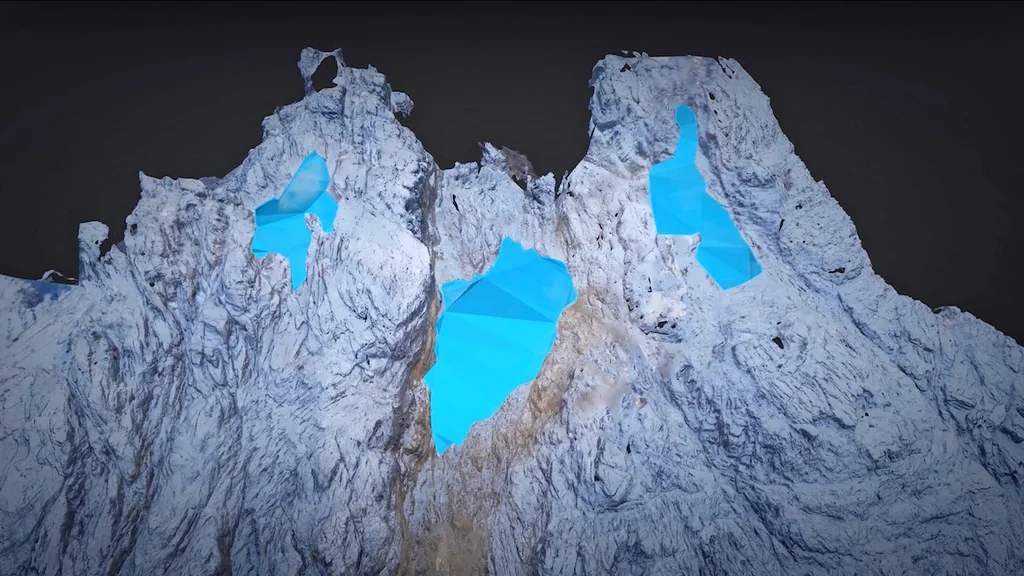
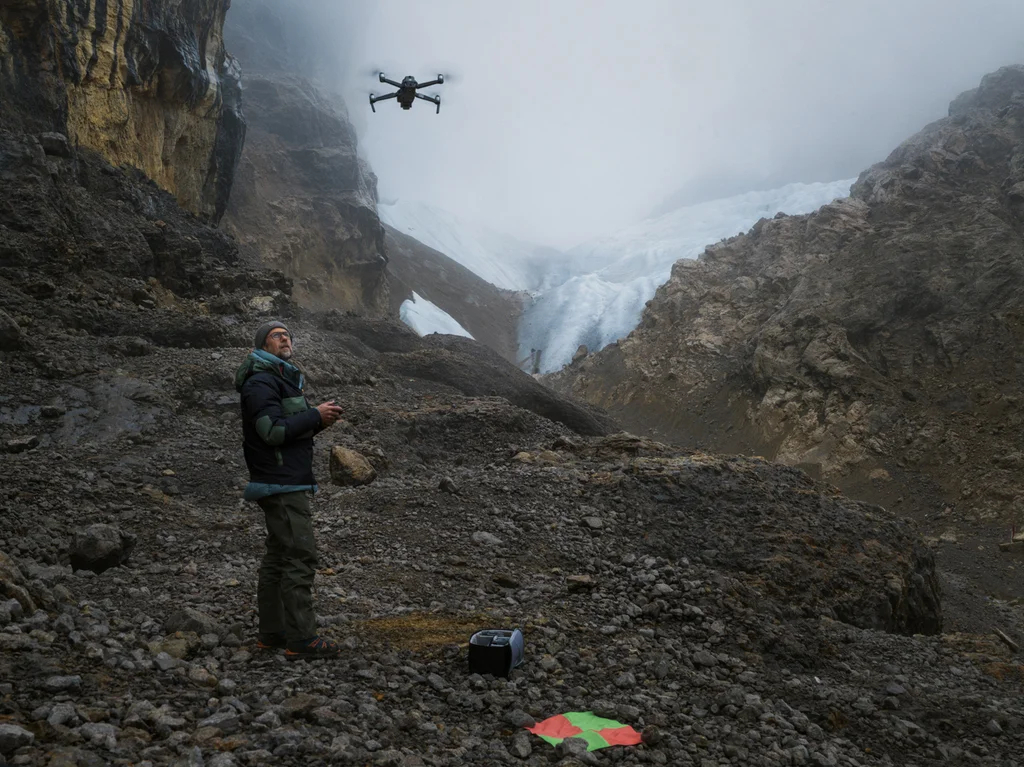
Thymann, an accomplished explorer, photographer, and scientist, recognizes the pressing need to capture these glaciers before they vanish completely. “We stand now to lose these glaciers within a decade,” he asserts, a sentiment that echoes the fears of climate scientists globally. As he meticulously crafted a detailed 3D model of the East Northwall Firn glacier, once sprawling over an area larger than Central Park, the stark reality became evident—97% of its ice cover has been lost between 1980 and 2024. The urgency of his work highlights a broader narrative about the fragility of our planet’s ecosystems.
Technological Innovation Meets Environmental Advocacy
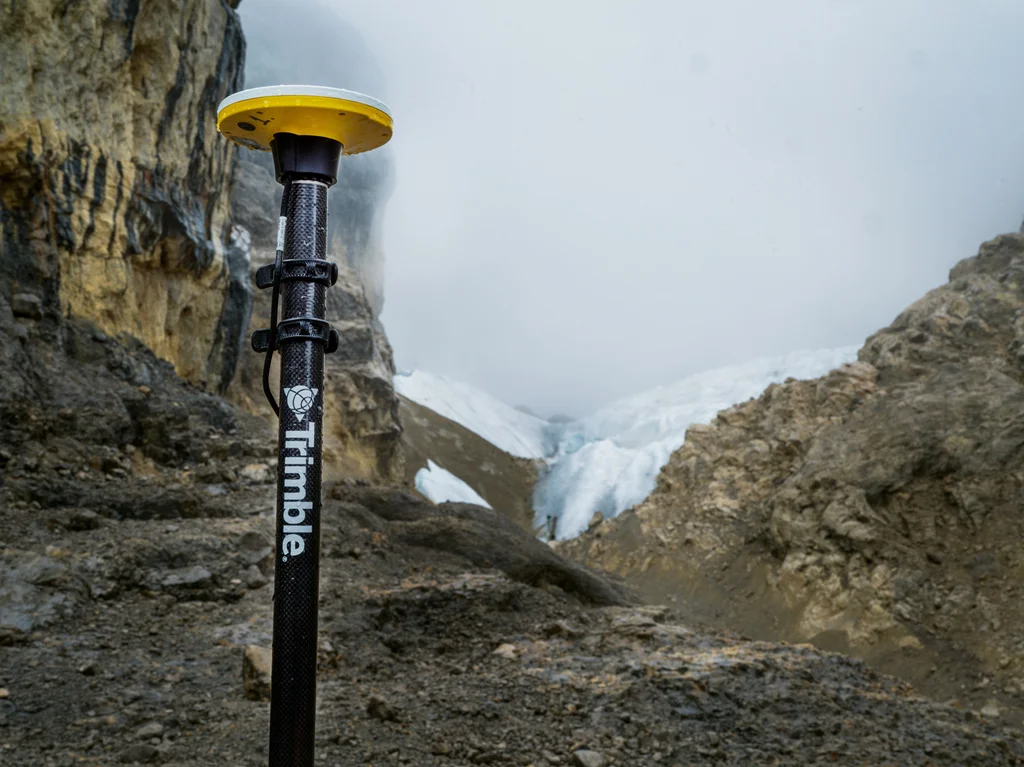
Utilizing drones to capture the glacier from every conceivable angle, Thymann employed advanced software to stitch together these images into a comprehensive 3D representation. The endeavor was not merely technical but a confluence of art, science, and activism, driven by Thymann’s nonprofit, Project Pressure. This organization aims to elevate awareness of environmental changes through visual storytelling. The project also utilized geolocation technology from Trimble, allowing for precise mapping of the glacier’s current state, despite the challenging weather conditions that plague the region.
A Cultural Heritage Under Threat
Beyond its environmental significance, the glacier holds profound cultural value for local communities, known as the “eternity” glaciers. For these inhabitants, the glaciers are more than ice; they are an integral part of their heritage and identity. Thymann’s work not only serves as a scientific record but also preserves a visual reference for future generations, a poignant reminder of what once was. As these glaciers recede, they symbolize the broader implications of climate change affecting cultures worldwide.
Climate Change as a Global Challenge
The rapid melting of tropical glaciers is not an isolated phenomenon; it is emblematic of a global crisis. With four out of six glaciers in the region already lost, the remaining two are projected to follow suit by 2030. This trend raises crucial questions about the implications for biodiversity, local climates, and global sea levels. The open-source data generated from Thymann’s model offers invaluable resources for scientists, enabling them to monitor and study the impacts of climate change in real-time.
Miami’s Role in Climate Dialogue
As a city acutely aware of climate change’s effects—rising sea levels and increasingly severe weather events—Miami stands at the forefront of this dialogue. The challenges faced by tropical glaciers reflect a broader context that resonates deeply with Miami’s own struggles against environmental degradation. Engaging with innovative projects like Thymann’s can inspire local leaders and residents alike to take proactive measures in addressing climate issues. Miami’s vibrant communities, filled with entrepreneurs and thought leaders, are uniquely positioned to advocate for sustainable solutions that not only protect their own environment but also contribute to global efforts.
An Invitation to Engage
Thymann’s expedition serves as a clarion call for urgency and action. It beckons individuals and organizations to reflect on their relationship with the environment and the legacy they wish to leave behind. As Miami and the world grapple with the realities of climate change, initiatives like Project Pressure provide a critical lens through which we can better understand and engage with the planet’s shifting landscapes. The story of the tropical glaciers is not just one of loss; it is also a story of innovation, resilience, and the enduring human spirit to document and preserve our natural heritage.
Editorial note: This article was created by A Bit Lavish Miami’s Magazine as an original editorial reinterpretation based on publicly available reporting. Original source: fastcompany.com. Read the original article here: https://www.fastcompany.com/91549156/this-3d-model-captures-a-rare-tropical-glacier-before-its-gone.
Images are used for editorial reference with source credit. If an image requires correction or removal, please contact A Bit Lavish.







The Transformative Power of AI: Insights from JPMorgan’s Leadership
JPMorgan Chase's CEO Jamie Dimon discusses the impact of AI on employment...
 2 Mins read

A New Era in Sports Broadcasting: Elevating Women Athletes Beyond the Lens
Explore how new broadcasting guidelines aim to reshape the portrayal of women...
2 Mins read

Harnessing AI for Intellectual Growth: Strategies for the Modern Thinker
Explore innovative ways to leverage AI to enhance your cognitive processes and...
3 Mins read



The Art of Timely Delivery: A Crucial Element in Business Success
Explore the challenges of timely project delivery in business, its impact on...
2 Mins read
