
China Resumes Fuel Export Curbs, Impacting Global Oil Prices
BEIJING — October 2, 2026
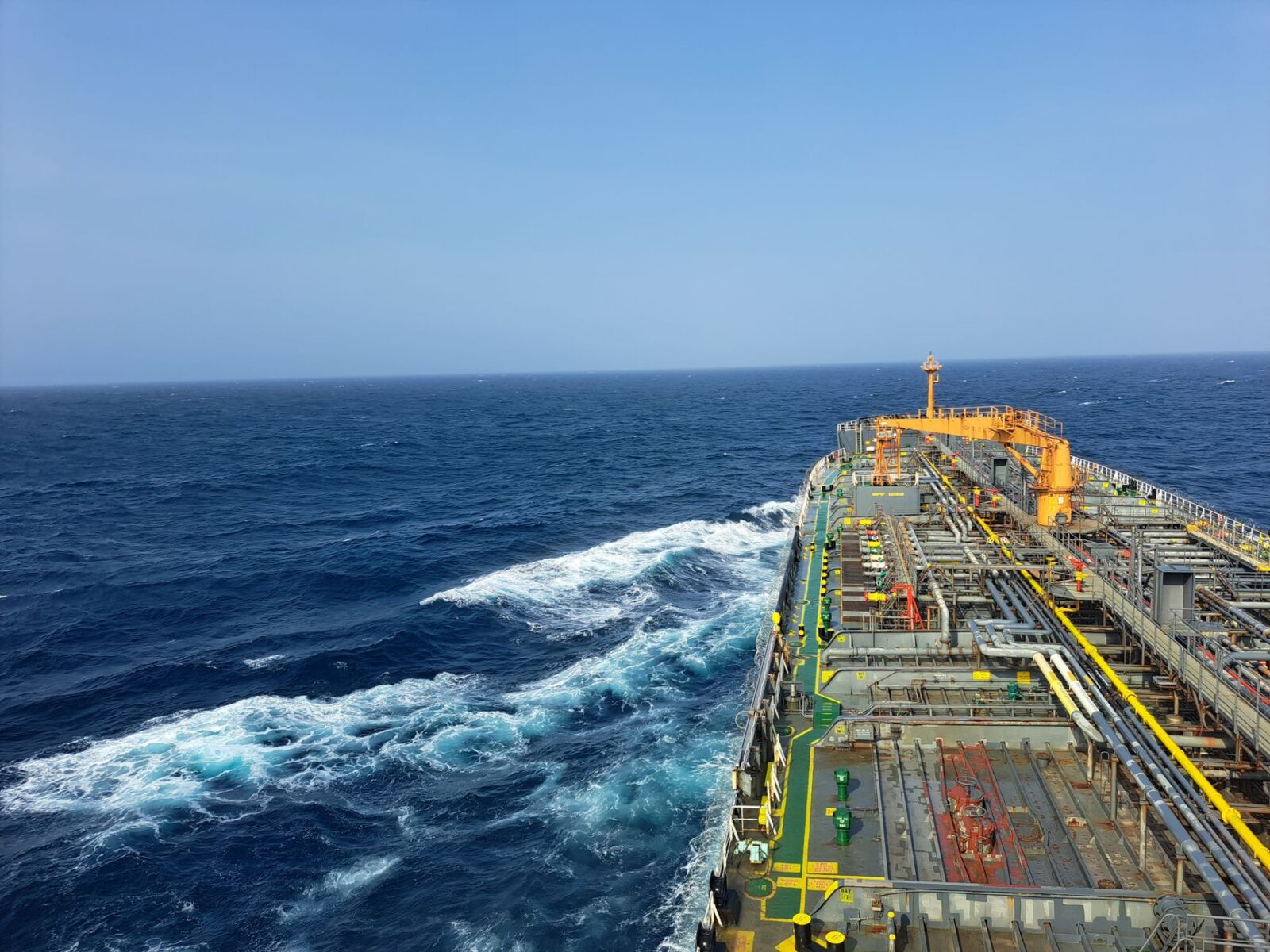
In a significant move that has sent ripples through global energy markets, China has resumed curbs on fuel exports as of October 2, 2026. This decision comes amid rising concerns over domestic fuel supply and is expected to impact global oil prices, which have already begun to edge higher in response.
The Chinese government has not publicly detailed the specific nature of the curbs, but sources indicate that they are aimed at managing domestic fuel consumption and ensuring adequate supply for local markets. This development follows a period of relatively unrestricted fuel exports, which had contributed to a more stable global oil market.
The immediate trigger for this policy shift appears to be a combination of increasing domestic demand and a desire to stabilize local fuel prices, which have been under pressure due to rising consumption rates. Analysts suggest that the Chinese authorities are prioritizing energy security as they navigate the complexities of both domestic and international energy needs.
Key players in this scenario include the Chinese Ministry of Commerce, which oversees export regulations, and major state-owned oil companies such as Sinopec and PetroChina, which will be directly affected by these new restrictions. The implications of this decision extend beyond China, as global oil markets react to the anticipated decrease in available fuel supplies.
As a result of these curbs, oil prices have already begun to rise, with Brent crude oil increasing by approximately 2% in early trading hours. This uptick reflects market concerns over potential supply shortages, particularly in regions heavily reliant on Chinese fuel exports.
The timing of this announcement is particularly noteworthy, as it coincides with ongoing discussions among Western nations regarding energy security and supply chain resilience. The United States has urged European countries to tap into their diesel reserves to mitigate potential shortages stemming from China’s export restrictions.
This development matters significantly on multiple levels. Locally, it underscores China’s ongoing struggle to balance domestic energy needs with its role as a major global supplier. Nationally, it raises questions about the effectiveness of China’s energy policies and their impact on economic stability. Regionally and globally, the curbs could exacerbate existing tensions in energy markets, particularly as countries grapple with the implications of fluctuating oil prices.
Looking ahead, market analysts predict that if these curbs remain in place, we could see sustained increases in global oil prices, prompting further discussions among oil-producing nations about production levels and export strategies. Additionally, countries heavily reliant on Chinese fuel may need to explore alternative sources or increase domestic production to mitigate the impact of these restrictions.
In summary, China’s resumption of fuel export curbs is a pivotal development that will likely shape the dynamics of global oil markets in the coming weeks and months, warranting close attention from industry stakeholders and policymakers alike.
Source: Межа. Новини України.








China Halts Fuel Exports, Driving Global Diesel Prices Higher
China's recent decision to cut off fuel shipments has sent shockwaves through...
 2 Mins read

Analysis Reveals Increased Household Energy Costs Due to Trump’s Policy Changes
A recent analysis highlights the financial impact of former President Trump's policy...
2 Mins read

Amazon Announces $1 Billion Investment in Data Center Communities Amid Backlash
Amazon's significant investment aims to address public concerns over data center rollouts...
2 Mins read



Navigating Brand Integrity: Walmart’s Bettergoods Faces Expanded Recall Amid Health Concerns
A deep dive into the implications of the expanded recall of Walmart's...
2 Mins read

Leave a comment