
China Resumes Fuel Export Curbs, Tightening Global Energy Markets
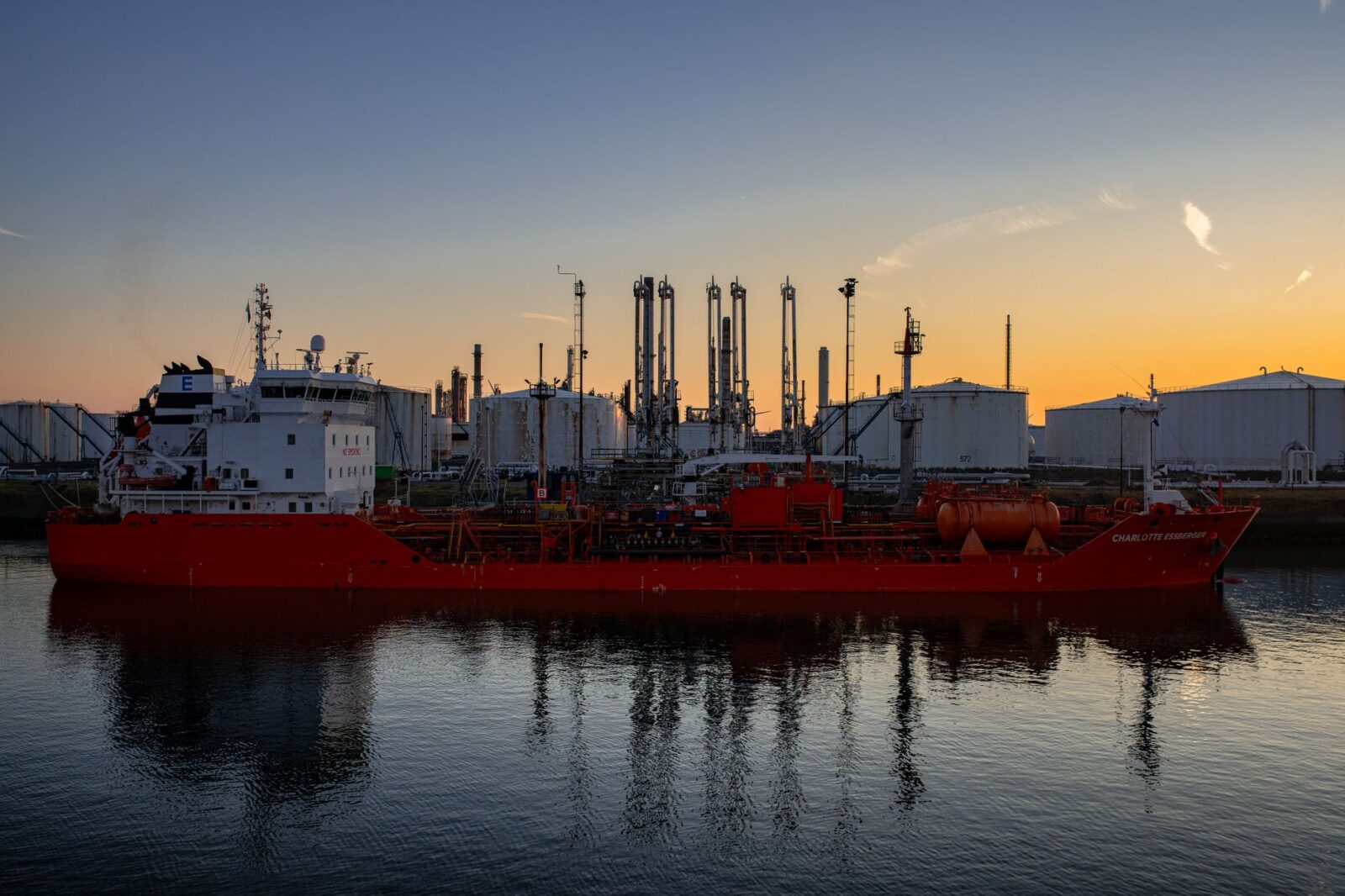
BEIJING — October 2, 2026
In a significant move that reverberates across global energy markets, China has resumed curbs on fuel exports as of today, tightening supply and potentially leading to increased prices worldwide. This decision comes at a time when energy markets are already experiencing volatility, raising concerns among businesses and consumers alike.
The Chinese government has not publicly detailed the specific nature of the curbs, but sources indicate that the restrictions are aimed at stabilizing domestic fuel prices amid rising demand and inflationary pressures. The curbs are expected to affect various fuel types, including gasoline and diesel, which are critical for transportation and industry.
This development follows a period of relative openness in China’s fuel export policies, which had previously seen a gradual increase in exports as the country sought to capitalize on recovering global demand post-pandemic. However, the recent resurgence of fuel export restrictions signals a shift in strategy, likely driven by domestic economic considerations and the need to ensure adequate supply for local consumption.
Key players in the global energy market, including major oil companies and trading firms, are closely monitoring this situation. The International Energy Agency (IEA) has already expressed concerns that these curbs could exacerbate existing supply chain issues and lead to higher fuel prices, particularly in regions heavily reliant on Chinese fuel exports.
China’s decision to reinstate these curbs is particularly noteworthy given the country’s status as one of the largest fuel exporters in the world. In 2025, China exported approximately 1.5 million barrels of oil per day, making it a crucial player in the global energy landscape. The renewed restrictions could disrupt supply chains and impact fuel prices not only in Asia but also in Europe and North America.
This story is receiving heightened attention now due to the potential implications for global inflation and economic recovery. As countries grapple with rising costs and supply chain disruptions, any further tightening of fuel supplies could have cascading effects on various sectors, from transportation to manufacturing.
Looking ahead, analysts predict that if these curbs remain in place, we could see a significant uptick in fuel prices globally, prompting governments and businesses to seek alternative sources of energy or adjust their operational strategies. The situation will likely evolve as stakeholders assess the long-term impacts of China’s fuel export policies and their broader implications for the global economy.
Source: The New York Times








China Halts Fuel Exports, Driving Global Diesel Prices Higher
China's recent decision to cut off fuel shipments has sent shockwaves through...
 2 Mins read

Analysis Reveals Increased Household Energy Costs Due to Trump’s Policy Changes
A recent analysis highlights the financial impact of former President Trump's policy...
2 Mins read

Amazon Announces $1 Billion Investment in Data Center Communities Amid Backlash
Amazon's significant investment aims to address public concerns over data center rollouts...
2 Mins read



Navigating Brand Integrity: Walmart’s Bettergoods Faces Expanded Recall Amid Health Concerns
A deep dive into the implications of the expanded recall of Walmart's...
2 Mins read

Leave a comment