
Colombia’s Toughened Stance on Immigration: A New Chapter in Regional Dynamics
A Shift in Immigration Policy
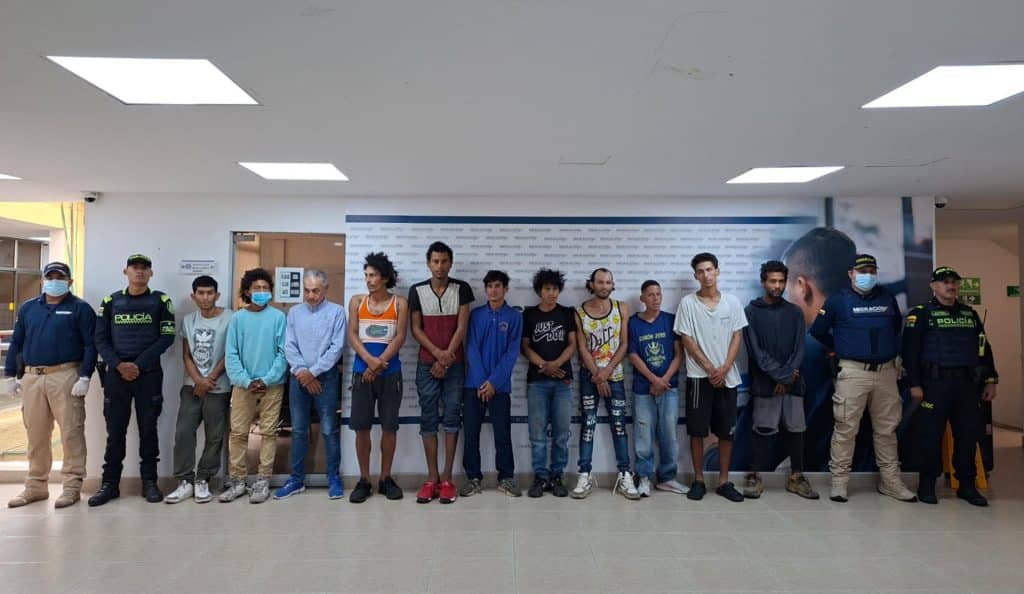
Colombia has taken a notable step in redefining its immigration stance, spearheaded by President Abelardo de la Espriella. Following a series of incidents reflecting a concerning rise in public safety issues linked to irregular migrants, the government has intensified its control measures. This new approach has led to the recent expulsion of eleven foreign nationals from Bucaramanga, a clear indication of Colombia’s commitment to restoring order and ensuring safety within its borders.
Operational Framework
The expulsion operation, which occurred under the auspices of Migración Colombia in collaboration with local police forces and municipal authorities, reflects a systematic approach to immigration enforcement. These operations are not isolated incidents but part of a broader series of actions aimed at addressing the challenges posed by individuals engaging in unlawful activities.
Among the infractions leading to expulsions were serious offenses such as possession of prohibited weapons, disturbances to public order, and substance abuse in restricted areas. This rigorous enforcement underscores the authorities’ intent to maintain a balance between welcoming those in need and safeguarding public safety.
Concerns Among Venezuelan Migrants
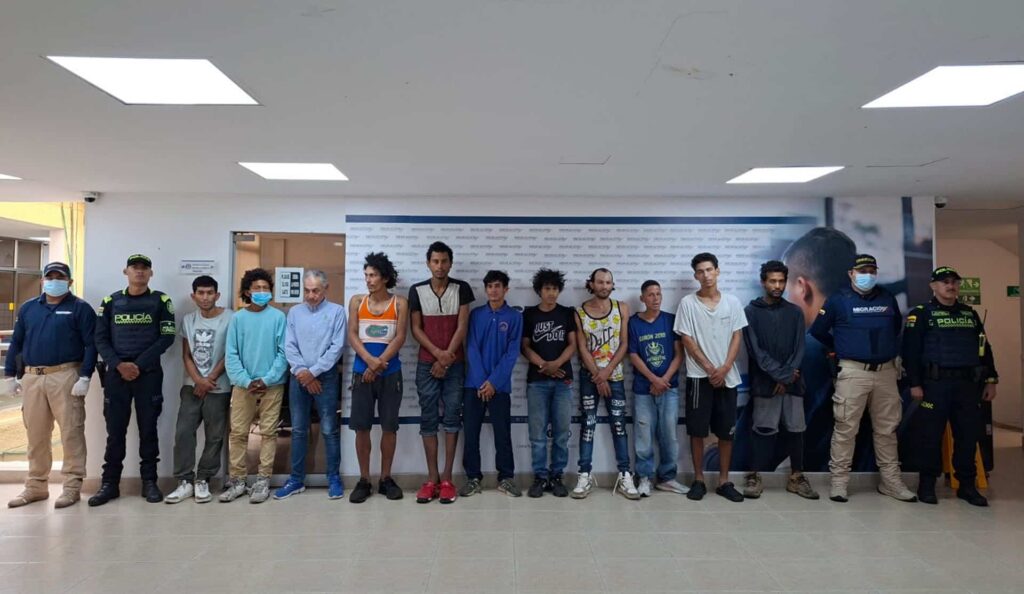
The tightening of immigration controls has raised significant concerns among the Venezuelan migrant population residing in Colombia. Many of these individuals find themselves in precarious situations, often lacking proper documentation. The announcement of heightened scrutiny has spurred a surge in applications for residency permits, illustrating the urgency felt by many who wish to secure their status in a country that has, until now, been a refuge.
Reports indicate that President de la Espriella’s remarks on identifying and deporting irregular migrants have particularly alarmed Venezuelans, who make up a substantial portion of the migrant community in Colombia. As they navigate their precarious existence, the fear of deportation looms large, prompting many to seek immediate solutions to regularize their stay.
A Broader Regional Context
This development is not merely a local issue but resonates across the Latin American landscape. Countries are grappling with an influx of migrants, primarily from Venezuela, due to ongoing socio-economic challenges. Colombia, historically a frontline nation in this migration crisis, finds itself at a crossroads as it balances humanitarian obligations with the pressing need for public safety and social cohesion.
The recent measures in Colombia could set a precedent for other nations in the region. As countries like Ecuador, Peru, and Chile observe Colombia’s approach, they may be compelled to reevaluate their own immigration policies in response to similar pressures. This situation presents a complex interplay of humanitarian concern and national security, with implications that could ripple across borders.
Continuing Expulsions
Following the initial expulsions, Migración Colombia has indicated that operations will persist, targeting individuals deemed to be repeat offenders. Recent expulsions have also occurred in other Colombian cities, including Cartagena and Montería, emphasizing the government’s resolve to maintain its new course of action. Such measures underline a growing trend of nations taking firmer stances on immigration, particularly in response to crime and public safety issues.
As Colombia continues to implement these policies, the broader implications for regional migration patterns will unfold. The potential for increased deportations may urge many to reconsider their options, either leading to a surge in regularization efforts or, conversely, to an exodus of those who feel threatened by these measures.
The Path Ahead
As Colombia navigates this pivotal moment in its immigration policy, the challenges faced by Venezuelan migrants remain a pressing issue. The interplay between enforcement and empathy will be crucial in shaping the future of migration in the region. For many, Colombia represents hope and opportunity, yet the tightening of borders raises questions about the sustainability of this refuge.
Observers will be keenly watching how Colombia balances these competing interests in the months to come, as the outcomes will not only affect the lives of thousands but could also redefine the fabric of migration across Latin America.
Editorial note: This article was created by A Bit Lavish Miami’s Magazine as an original editorial reinterpretation based on publicly available reporting. Original source: efectococuyo.com. Read the original article here: https://efectococuyo.com/internacionales/colombia-expulsa-a-11-extranjeros-tras-endurecimiento-de-controles-migratorios/.
Images are used for editorial reference with source credit. If an image requires correction or removal, please contact A Bit Lavish.










Empowering Voices: Women as Architects of Change in Venezuela
Discover how women in Venezuela are shaping the transition towards democracy and...
 3 Mins read
Navigating Vulnerability: The Return of La Guaira’s Universities Post-Earthquake
Explore the challenges faced by La Guaira's universities as they recover from...
3 Mins read

The Unyielding Spirit of Brenda Velázquez: A Mother’s Fight Amidst Political Turmoil
Discover the harrowing story of Brenda Velázquez, a political prisoner in Venezuela,...
2 Mins read



La Política de la Obediencia: Un Análisis del Futuro Venezolano
Exploramos cómo la renuncia a la política en Venezuela ha llevado a...
2 Mins read

Leave a comment