
Reviving Hope: The Future of Home Loans in Venezuela
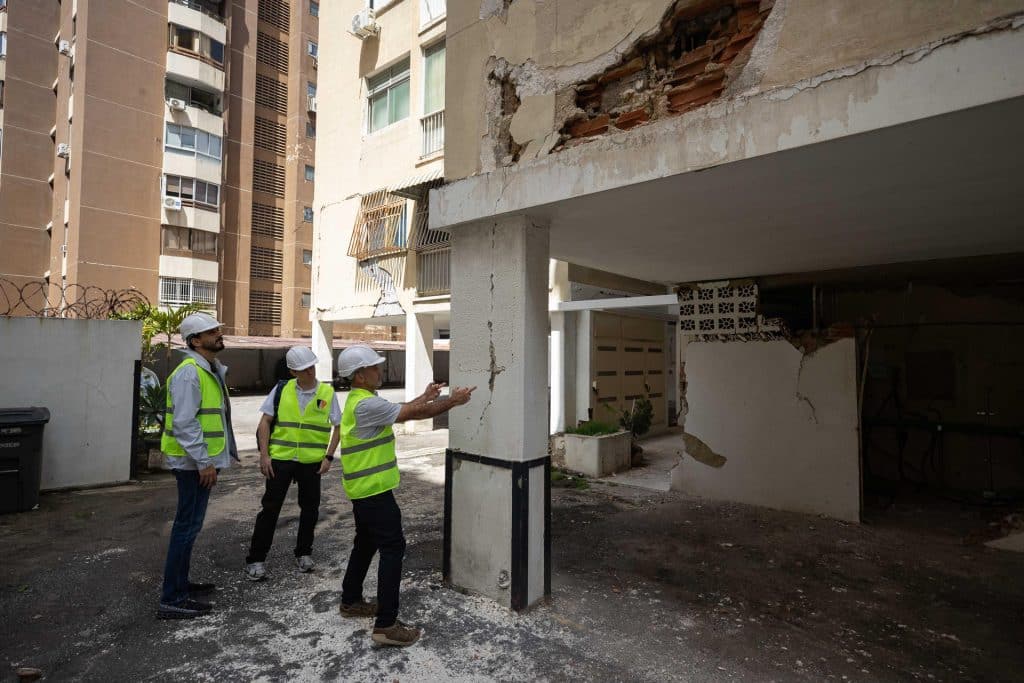
Rebuilding Lives After Disaster
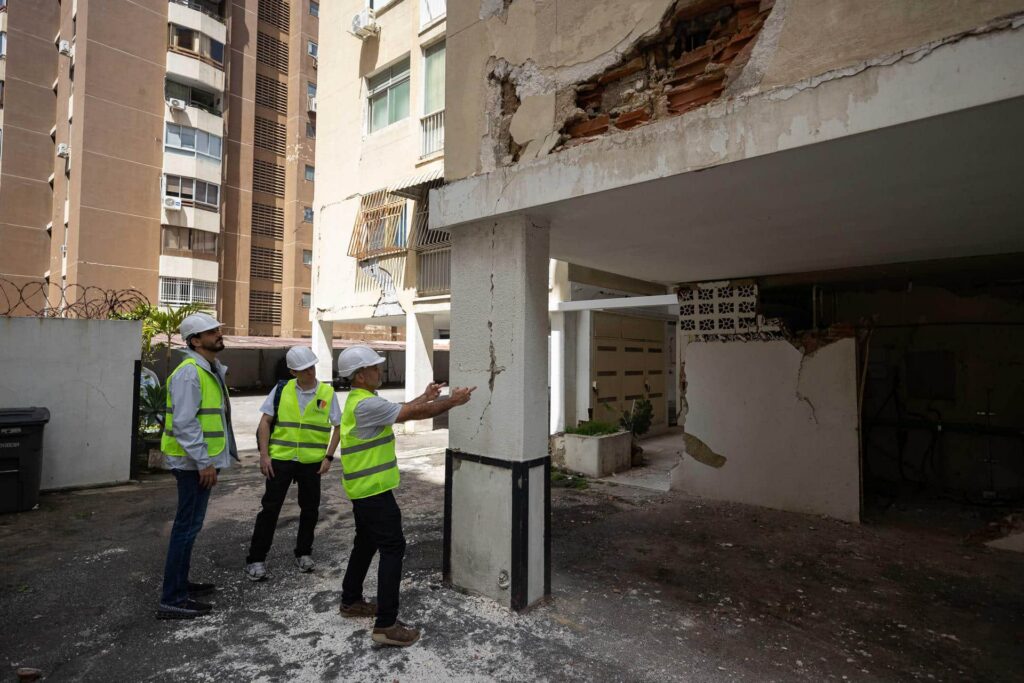
In the aftermath of the devastating double earthquake that struck Venezuela, over 1,600 families have been granted pre-approval for social credit aimed at purchasing new homes. This significant milestone has reignited discussions surrounding the dire need for accessible mortgage loans within the country. However, experts assert that additional measures are essential to fully re-establish traditional housing financing across all banks in Venezuela.
Funding Sources and Economic Viability
Economist Aarón Olmos, a professor at the Instituto de Estudios Superiores de la Administración (IESA), highlights the crucial role of external funding in this process. He explains that the financial resources for purchasing homes with subsidies do not originate from domestic banking deposits but rather from international funds, particularly the $346 million allocated by the International Monetary Fund (IMF) following the earthquakes. This dependency on foreign assistance raises questions about the sustainability of such financing initiatives.
Subsidized Home Financing: A Glimpse into the Program
The “Venezuela Renace” program offers home loans with a repayment period of 25 years at an interest rate of 5%. Eligible properties must be valued at up to $100,000, with subsidies fluctuating between 50% and 80%, depending on the final price of the home. This initiative marks a pivotal step forward for those affected, providing a structured pathway toward homeownership.
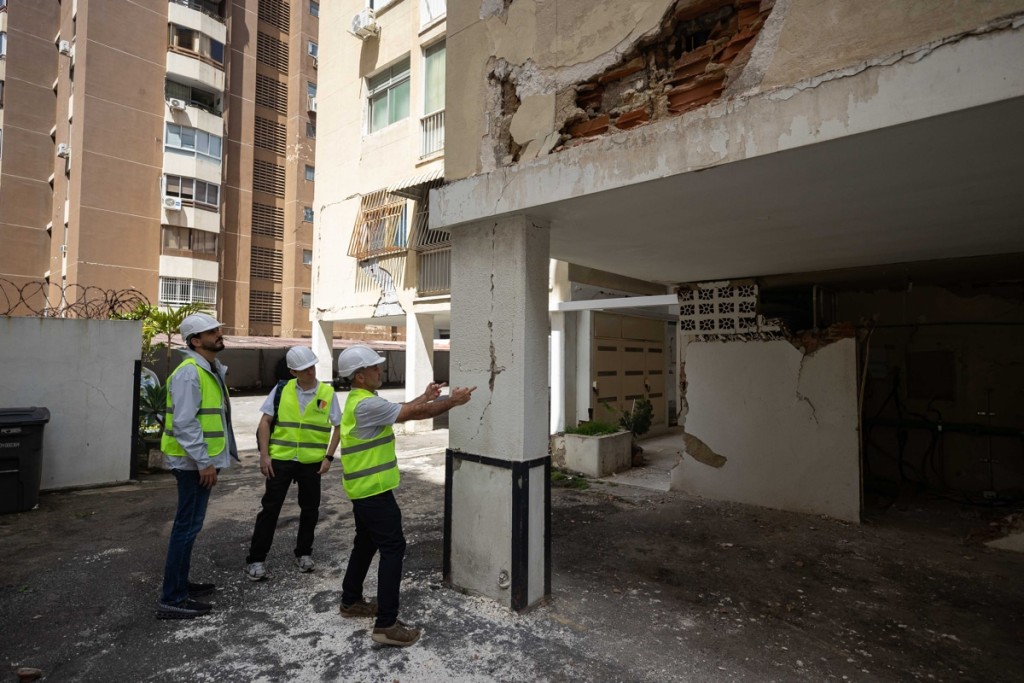
Challenges for Aspiring Homeowners
Despite the progress made, young professionals and couples looking to purchase their first home still face significant obstacles. Currently, there are no viable options for obtaining a mortgage from national banks for this demographic. The credit portfolio in Venezuela stood at a mere $3.949 billion by early September 2023, the smallest in all of Latin America, equating to only 3.5% of the country’s GDP. This stark contrast is evident when compared to neighboring Colombia, where the credit portfolio comprises 60% of its GDP.
Inflation and Banking Restrictions: Barriers to Growth
Economists Olmos and Hermes Pérez, who teaches at the Universidad Metropolitana, point to high inflation rates and stringent banking regulations as major impediments to the revival of housing loans. The inflation rate soared beyond 500% by late August, making financial planning and lending exceedingly challenging. The current banking reserve requirement, which stands at a staggering 73%, further restricts banks from utilizing deposits—both bolivars and dollars—to issue new loans. This situation stifles not only the potential for home purchases but also hampers the overall economic recovery.
The Road Ahead: A Call for Comprehensive Economic Reform
As Venezuela seeks to navigate these challenges, the path to reactivating mortgage loans requires a multifaceted approach. Comprehensive economic reforms aimed at stabilizing the currency, controlling inflation, and adjusting banking regulations are essential for fostering an environment conducive to housing finance. Until these systemic issues are addressed, the dream of homeownership for many Venezuelans will remain just that—a dream.
Editorial note: This article was created by A Bit Lavish Miami’s Magazine as an original editorial reinterpretation based on publicly available reporting. Original source: efectococuyo.com. Read the original article here: https://efectococuyo.com/economia/creditos-hipotecarios-en-venezuela-reactivacion/.
Images are used for editorial reference with source credit. If an image requires correction or removal, please contact A Bit Lavish.









Empowering Voices: Women as Architects of Change in Venezuela
Discover how women in Venezuela are shaping the transition towards democracy and...
 3 Mins read
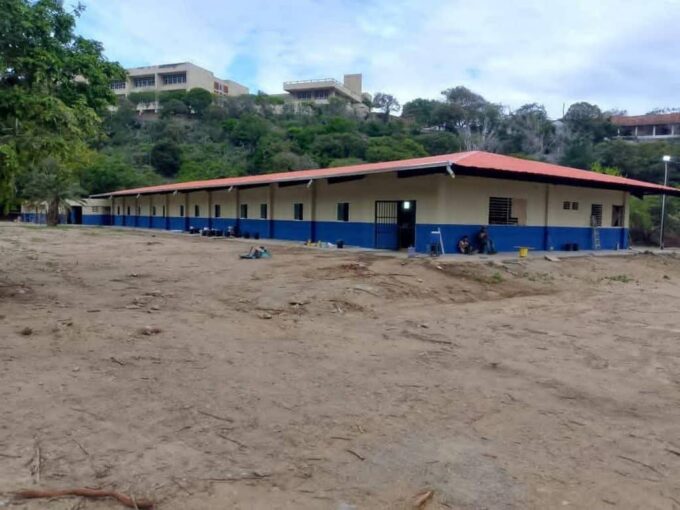
Navigating Vulnerability: The Return of La Guaira’s Universities Post-Earthquake
Explore the challenges faced by La Guaira's universities as they recover from...
3 Mins read
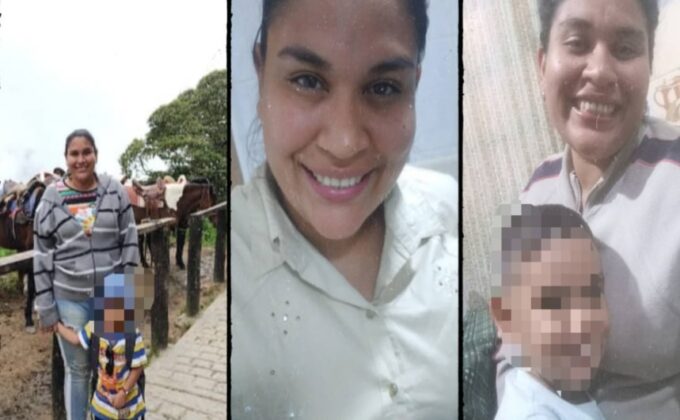
The Unyielding Spirit of Brenda Velázquez: A Mother’s Fight Amidst Political Turmoil
Discover the harrowing story of Brenda Velázquez, a political prisoner in Venezuela,...
2 Mins read
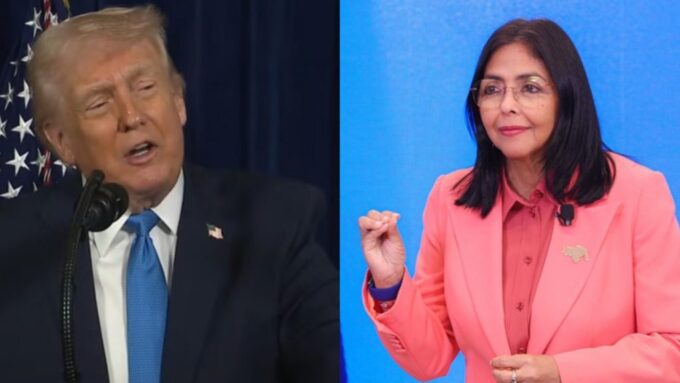


La Política de la Obediencia: Un Análisis del Futuro Venezolano
Exploramos cómo la renuncia a la política en Venezuela ha llevado a...
2 Mins read

Leave a comment