

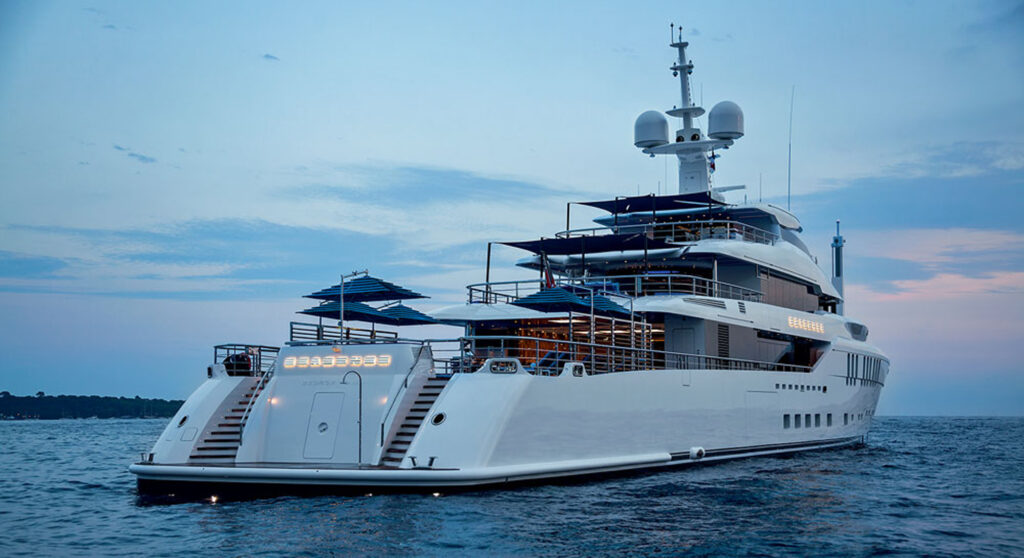
Legal Turmoil: The Arrest of the Yacht Seasense and Its Implications
In a dramatic turn of events, a financial-services company has initiated legal actions against American real estate executive Charles Cohen, leading to the arrest of his luxury yacht, the Seasense. This situation unfolds against the backdrop of a multi-million-dollar business loan dispute, raising questions about asset protection, legal jurisdiction, and the complexities of high-stakes finance.
The Arrest of Seasense
The 220-foot (67-meter) yacht Seasense was arrested by Italian authorities earlier this month in Loana, Italy. This arrest is part of a broader legal strategy by Fortress Credit Corporation, which is seeking to recover a personal guaranty related to a substantial loan. The yacht, delivered to Cohen by Benetti in 2017, boasts luxurious amenities, including staterooms for 12 guests, a gym, and an impressive collection of artwork. However, the arrest has been met with claims of illegality. A source familiar with the proceedings asserts that the arrest was unlawful and that a motion for the yacht’s release is currently pending in Italy.
The Legal Battle
The roots of this legal conflict trace back to September 2022, when Fortress Credit Corporation extended a loan of $534 million to companies owned by Cohen. As part of the loan agreement, Cohen provided a personal guaranty of $187.25 million, ensuring repayment in the event of default. Following a default by Cohen’s companies in February 2024, Fortress sought a summary judgment for the full amount of the guaranty. In response, Cohen countersued in April 2024, arguing that Fortress had agreed to extend the loan, thereby complicating the legal landscape.
In March 2025, Fortress received a final judgment in its favor, but Cohen has yet to fulfill his obligations under the personal guaranty. This ongoing dispute has led Fortress to pursue further legal action, including the arrest of additional assets owned by Cohen.
Asset Transfers and Estate Planning
Complicating matters further, Cohen has been accused of transferring multiple assets, including the Seasense and several powerboats, to his wife through their respective holding companies while the summary judgment was pending. Fortress alleges that these transfers were made to shield assets from potential claims, while Cohen maintains that they were part of routine estate planning. The lawsuit states that Cohen continues to use and finance the pleasurecraft as he did prior to the transfers, raising questions about the legitimacy of these asset movements.
Fortress’s Legal Demands
In light of these developments, Fortress is seeking a court order in New York State Supreme Court to void the asset transfers made by Cohen. The firm is also requesting an injunction to prevent any further transfers by the Cohens. Fortress aims to have all pleasurecraft, including the Seasense, arrested and deemed available to satisfy Cohen’s obligations under the guaranty and any judgment that may be entered in Fortress’s favor. Notably, Cohen had previously provided documentation valuing the Seasense at $50 million, a figure that could significantly impact the outcome of the case.
Conclusion
The legal battle surrounding Charles Cohen and the arrest of the Seasense highlights the intricate interplay between high finance and asset protection. As the case unfolds, it raises critical questions about the legality of asset transfers, the responsibilities of guarantors, and the jurisdictional challenges posed by international law. With proceedings ongoing in both Italy and New York, the outcome remains uncertain, but the implications for Cohen and his financial dealings are likely to be profound. As this saga continues, it serves as a cautionary tale for executives navigating the complex waters of business finance and personal liability.








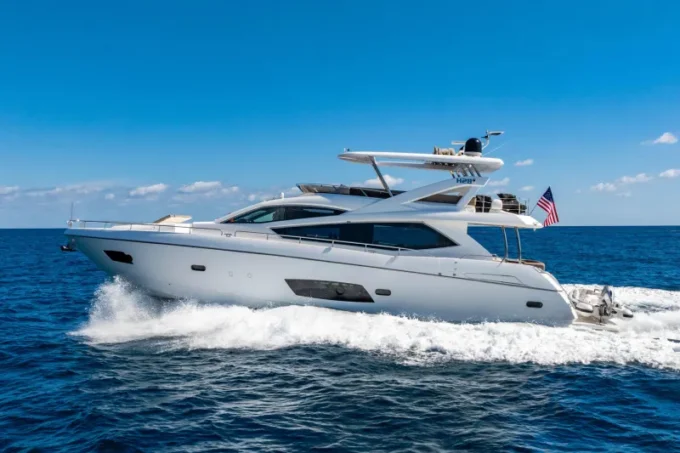
Elegance on the Water: The Sunseeker Manhattan 73 ‘Hillrose 28’
Discover the exquisite Sunseeker Manhattan 73 'Hillrose 28', a 2014 masterpiece blending...
 2 Mins read
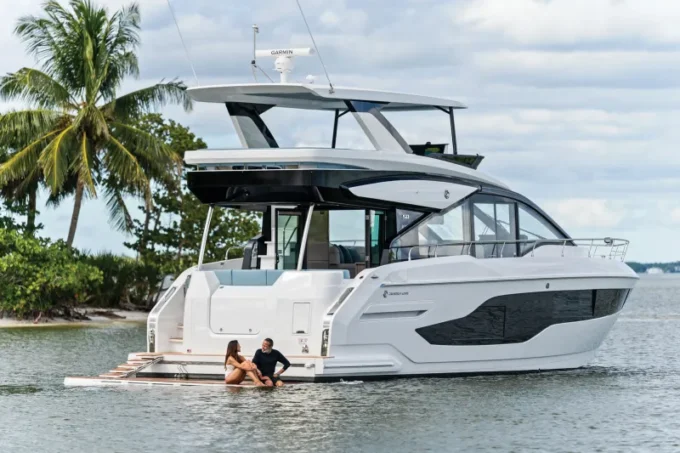
The Cruisers 50 Fly: A Masterclass in American Yachting
Explore the Cruisers 50 Fly, the epitome of luxury and practicality in...
3 Mins read
Unleashing Power: The MAN i6X Engine Revolutionizes Marine Performance
Discover how the new MAN i6X engine transforms yacht and sport-fishing performance...
2 Mins read


Exploring the Distinctive Elegance of Alia Yachts’ 141-Foot Superyacht Ximena
Discover the stunning design and performance features of Alia Yachts' custom superyacht...
2 Mins read
