
Cultural Heritage at Risk: The Controversy Surrounding Pre-Columbian Artefacts

A Tapestry of History
In the world of art and antiquities, few subjects ignite as much passion and controversy as the provenance of significant cultural artefacts. The recent intervention by Mexican authorities regarding the auction of two pre-Columbian artefacts at Sotheby’s serves as a poignant reminder of the delicate balance between art market practices and the preservation of cultural heritage.
The Artefacts in Question
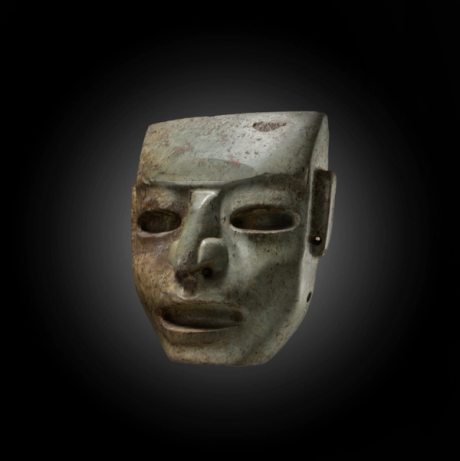
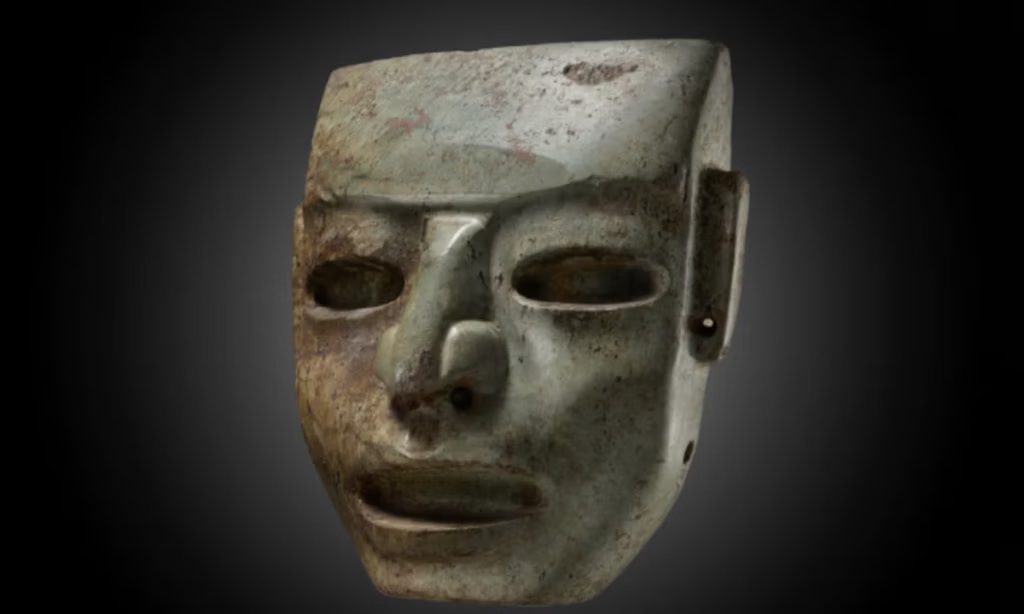
At the heart of this unfolding narrative are two remarkable objects: a stone mask and an exquisitely crafted ceramic figure, both of which have their roots deeply embedded in the rich tapestry of pre-Columbian civilization. These artefacts, scheduled for auction in New York, not only represent artistic mastery but also embody the cultural identities and historical narratives of ancient Mexican societies.
Preservation vs. Profit
Mexico’s appeal to Sotheby’s to halt the auction underlines a critical issue within the global art market—how the commodification of cultural heritage can often overshadow its significance. The government’s stance emphasizes the belief that artefacts such as these should remain within their country of origin, where they can be preserved and appreciated in their historical context. This tension between cultural preservation and financial gain is one that many countries grapple with, particularly those rich in history and artistic output.
The Artist’s Legacy
The stone mask and ceramic figure not only reflect the craftsmanship of their creators but also speak to a broader narrative about the societies from which they originated. As collectors and investors increasingly seek to acquire pieces with substantial provenance, understanding the backstory of these artefacts becomes crucial. The legacy of the artists and the communities they belonged to adds layers of significance that transcend mere monetary value.
A Collector’s Perspective
For art collectors and investors, the allure of acquiring such rare items can be intoxicating. However, this allure must be tempered with a deep respect for the cultural narratives that these pieces carry. The psychology of collecting often intertwines with an appreciation for history, and the knowledge that one’s collection contributes to a greater understanding of humanity can elevate the experience far beyond that of a mere financial investment.
The Market’s Response
As the auction date draws near, the art market watches closely. Sotheby’s, as one of the leading auction houses globally, finds itself at a crossroads, balancing the demands of its clientele with the ethical implications of the sale. The outcome of this situation could set a precedent for future auctions of culturally significant artefacts, potentially influencing how provenance is regarded within the art market.
Looking Ahead
This unfolding story serves as an important reminder of the ongoing dialogue surrounding cultural heritage in the global art market. As Miami continues to establish itself as a vibrant hub for art and culture, the implications of these discussions resonate deeply within its community. The city’s collectors, curators, and art lovers are encouraged to remain vigilant and informed, recognizing that the pieces we admire are often imbued with stories that extend far beyond their mere aesthetic appeal.
Editorial note: This article was created by A Bit Lavish Miami’s Magazine as an original editorial reinterpretation based on publicly available reporting. Original source: theartnewspaper.com. Read the original article here: https://www.theartnewspaper.com/2026/06/17/mexico-opposes-sothebys-auction-pre-columbian-artefacts.
Images are used for editorial reference with source credit. If an image requires correction or removal, please contact A Bit Lavish.










Echoes of History: The Loss of a 300-Year-Old Cossack Church in Ukraine
Exploring the cultural significance and tragic loss of the Holy Presentation Church,...
 2 Mins read

A New Chapter: Tim Reeve Takes the Helm at English Heritage
Tim Reeve, former deputy director of the V&A, embarks on a significant...
2 Mins read

A Cultural Exchange: Islamic Art Treasures from the Louvre to Enrich Washington’s Museum Scene
Explore the significance of the Louvre's upcoming loan of Islamic art to...
2 Mins read



Art Under Siege: The Struggle of Activism in Indian Contemporary Art
Exploring the intersection of art, activism, and the implications of dissent in...
3 Mins read
