

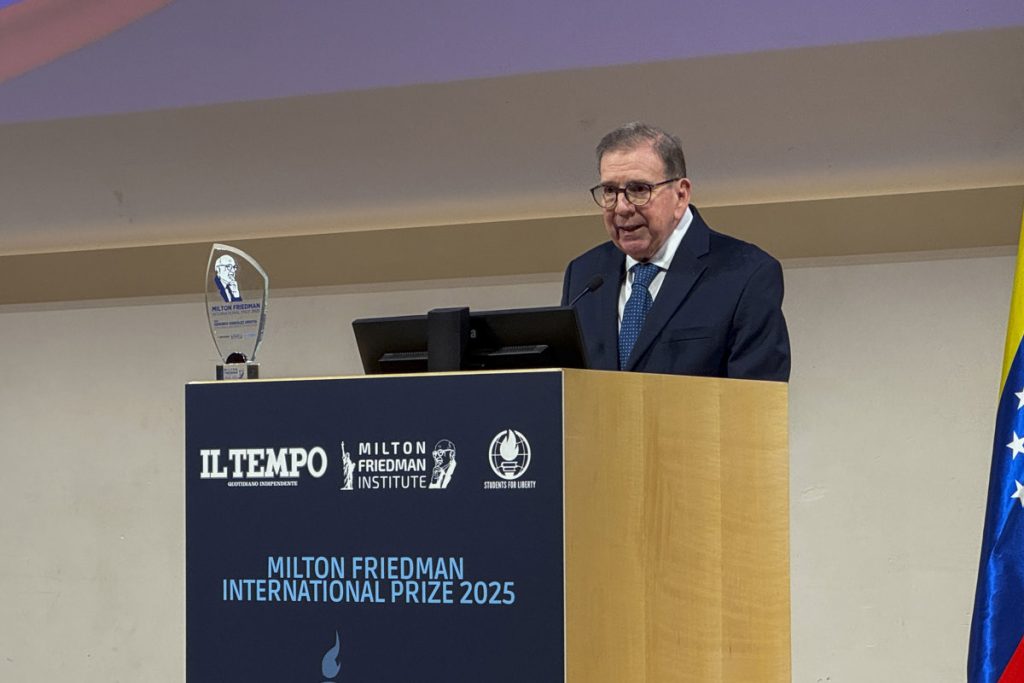
Unveiling the Shadows of Repression
In a stark reminder of Venezuela’s turbulent political landscape, the newly elected President Edmundo González has brought attention to the alarming findings of the United Nations’ recent report from its International Independent Fact-Finding Mission. Released amidst rising tensions and continued calls for democratic transformation, the report underscores that the mechanisms of repression remain disturbingly intact.
A Cautionary Note on Human Rights
González, in his public address via social media, emphasized the critical premise that human rights are not privileges to be granted or withheld based on the prevailing political climate. He articulated the report’s findings, which assert that while overt acts of repression may appear to diminish, the underlying structures enabling such violations have not been dismantled. “Less repression does not equate to the eradication of the systems that facilitate it,” he stated, reminding observers that the superficial changes often mask deeper systemic issues.
The Evolution of Persecution
The report elaborates on how the nature of persecution has evolved rather than ceased. The intricacies of political repression now manifest through arbitrary short-term detentions and intimidation tactics aimed at silencing dissent. González pointed out that the focus should shift from the duration of detention to the broader implications of power dynamics that foster fear, silence, and self-censorship among the populace. This nuanced understanding reflects a more insidious form of control, which continues to plague Venezuelan society.
Continued Detentions and a Culture of Fear
Citing various human rights organizations, González highlighted the grim reality faced by hundreds of Venezuelans still enduring arbitrary imprisonment, with estimates ranging from 379 to as many as 500 individuals. The report also touches upon forced disappearances and torture, indicating a deeply entrenched culture of impunity that allows these violations to persist unchecked. “As long as this system exists, genuine guarantees for anyone’s rights remain elusive,” he asserted.
The Role of Collectives in State Repression
Another critical dimension discussed in the report is the involvement of civilian collectives in surveillance and intimidation, revealing their connections to state structures. These groups, when acting under state directives, blur the lines between civil society and government authority, complicating the narrative of accountability. González’s reflections on this issue underscore the need for clarity in distinguishing state actions from those of independent entities.
The Path Toward Democratic Transition
While acknowledging the lengthy journey towards a true democratic transition, González emphasized that the restoration of institutions, rights, and justice cannot simply be relegated to the passage of time. He insisted on the urgency of recognizing the tenacity of repressive structures that adapt their methods without altering their core objectives. “This report illustrates the persistence of these mechanisms, which may evolve in form but not in essence,” he cautioned.
Memory as a Tool for Justice
In closing, González underscored the indispensable role of the UN’s investigative mission in documenting abuses and gathering testimonies. He articulated a vision where the memory of violations serves as a foundation for justice, healing, and the prevention of future atrocities. “Venezuela needs this memory to rebuild, to right the wrongs and to guarantee that history does not repeat itself,” he concluded.
As the global community watches, the ongoing discussions surrounding Venezuela’s human rights landscape remain critical not only for the country’s future but also for the broader implications on international human rights advocacy. The call for justice, memory, and truth resonates deeply, reminding us that the quest for democratic ideals is both a political and a moral imperative.
Editorial note: This article was created by A Bit Lavish Miami’s Magazine as an original editorial reinterpretation based on publicly available reporting. Original source: efectococuyo.com. Read the original article here: https://efectococuyo.com/politica/gonzalez-urrutia-alerta-sobre-la-persistencia-de-estructuras-represivas-tras-nuevo-informe-onu/.
Images are used for editorial reference with source credit. If an image requires correction or removal, please contact A Bit Lavish.









Empowering Voices: Women as Architects of Change in Venezuela
Discover how women in Venezuela are shaping the transition towards democracy and...
 3 Mins read
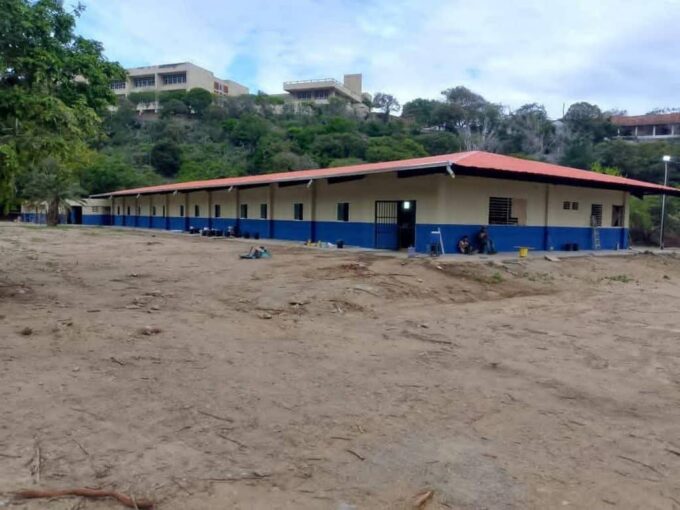
Navigating Vulnerability: The Return of La Guaira’s Universities Post-Earthquake
Explore the challenges faced by La Guaira's universities as they recover from...
3 Mins read
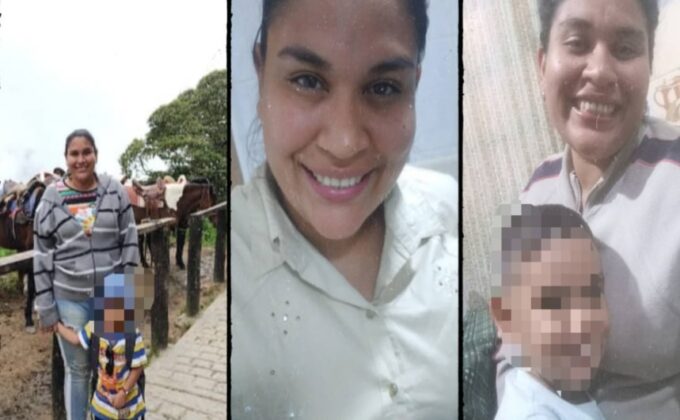
The Unyielding Spirit of Brenda Velázquez: A Mother’s Fight Amidst Political Turmoil
Discover the harrowing story of Brenda Velázquez, a political prisoner in Venezuela,...
2 Mins read


La Política de la Obediencia: Un Análisis del Futuro Venezolano
Exploramos cómo la renuncia a la política en Venezuela ha llevado a...
2 Mins read

Leave a comment