
El Niño Forecast Signals Significant Changes for Winter Weather in the U.S.
MIAMI — November 21, 2026
The National Oceanic and Atmospheric Administration (NOAA) has released a new forecast detailing how the ongoing El Niño phenomenon will significantly influence winter weather patterns across the United States. This forecast, published on November 21, 2026, highlights the potential for increased precipitation in the southern states and warmer temperatures in the northern regions, which could have far-reaching implications for travel, agriculture, and energy consumption.
El Niño, characterized by the periodic warming of sea surface temperatures in the central and eastern Pacific Ocean, has been linked to various weather anomalies. The current forecast suggests that this winter, the U.S. will experience a wetter-than-average season in the southern tier, particularly affecting states like California, Texas, and Florida. Conversely, the northern states may see milder and drier conditions, which could disrupt traditional winter activities and impact industries reliant on cold weather.
The NOAA’s Climate Prediction Center has noted that the strength of this El Niño is classified as moderate to strong, which historically correlates with more pronounced weather effects. The forecast indicates that the southern U.S. could see increased rainfall and potential flooding, while the northern states may experience less snowfall, raising concerns for winter sports and related tourism.
This development is receiving heightened attention as it coincides with the holiday travel season, a peak time for air and road travel. With millions of Americans expected to travel during Thanksgiving and Christmas, the potential for severe weather could lead to significant disruptions. Airlines and transportation agencies are already bracing for possible delays and cancellations, urging travelers to stay informed about weather conditions.
Moreover, the implications of this El Niño extend beyond immediate travel concerns. The agricultural sector, particularly in the southern states, may face challenges due to excessive rainfall, which could affect crop yields and food supply chains. Energy companies are also monitoring the situation closely, as fluctuating temperatures and precipitation patterns can impact energy demand and pricing.
As the winter progresses, NOAA will continue to update its forecasts, providing critical information for businesses and individuals alike. The next significant update is expected in mid-December, which will offer further insights into how this El Niño will evolve and its potential impacts.
In summary, the current El Niño forecast presents a complex scenario for the upcoming winter, with significant implications for travel, agriculture, and energy sectors across the United States. Stakeholders in these industries must prepare for the potential challenges posed by this climatic event.
Source: CBS News






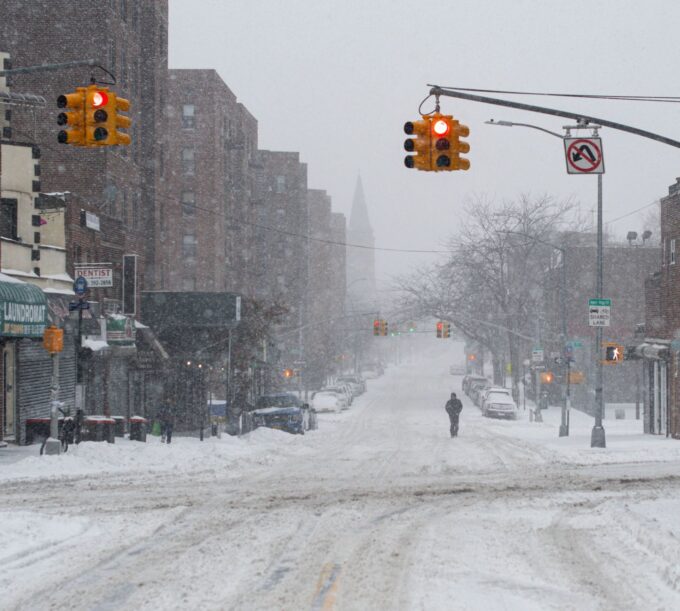
NOAA Raises Winter Precipitation Odds Due to El Niño: Implications for U.S. Travel and Lifestyle
The National Oceanic and Atmospheric Administration has increased the likelihood of above-average...
 2 Mins read
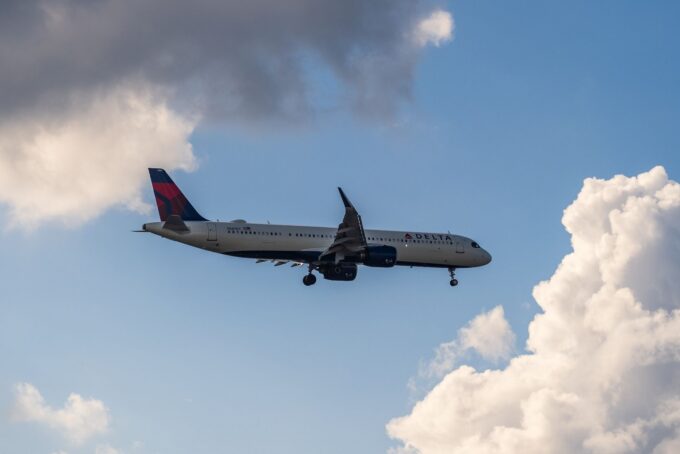
Delta Airlines Faces Major Flight Delays Ahead of Thanksgiving Due to Technical Issues
Delta Airlines is experiencing significant flight delays due to a technical issue,...
2 Mins read



Athlete Swims Strait of Hormuz to Highlight Environmental Impact of Iran War
A recent swim across the Strait of Hormuz by an athlete aims...
2 Mins read

El Niño’s Influence on U.S. Winter Weather Forecasts for 2026
The El Niño phenomenon is set to significantly impact winter weather across...
2 Mins read
Leave a comment