
NOAA Raises Winter Precipitation Odds Due to El Niño: Implications for U.S. Travel and Lifestyle
MIAMI — November 22, 2026
The National Oceanic and Atmospheric Administration (NOAA) has officially raised the odds of above-average winter precipitation across the United States, attributing this significant shift to the ongoing El Niño phenomenon. This announcement comes as a critical update for millions of Americans who are planning their winter travel and lifestyle activities.
El Niño, a climate pattern characterized by the warming of ocean surface temperatures in the central and eastern Pacific, has been linked to various weather anomalies across the globe. NOAA’s latest forecast indicates that the chances of above-normal precipitation have increased to 60% for the upcoming winter months, particularly affecting the southern and eastern regions of the country.
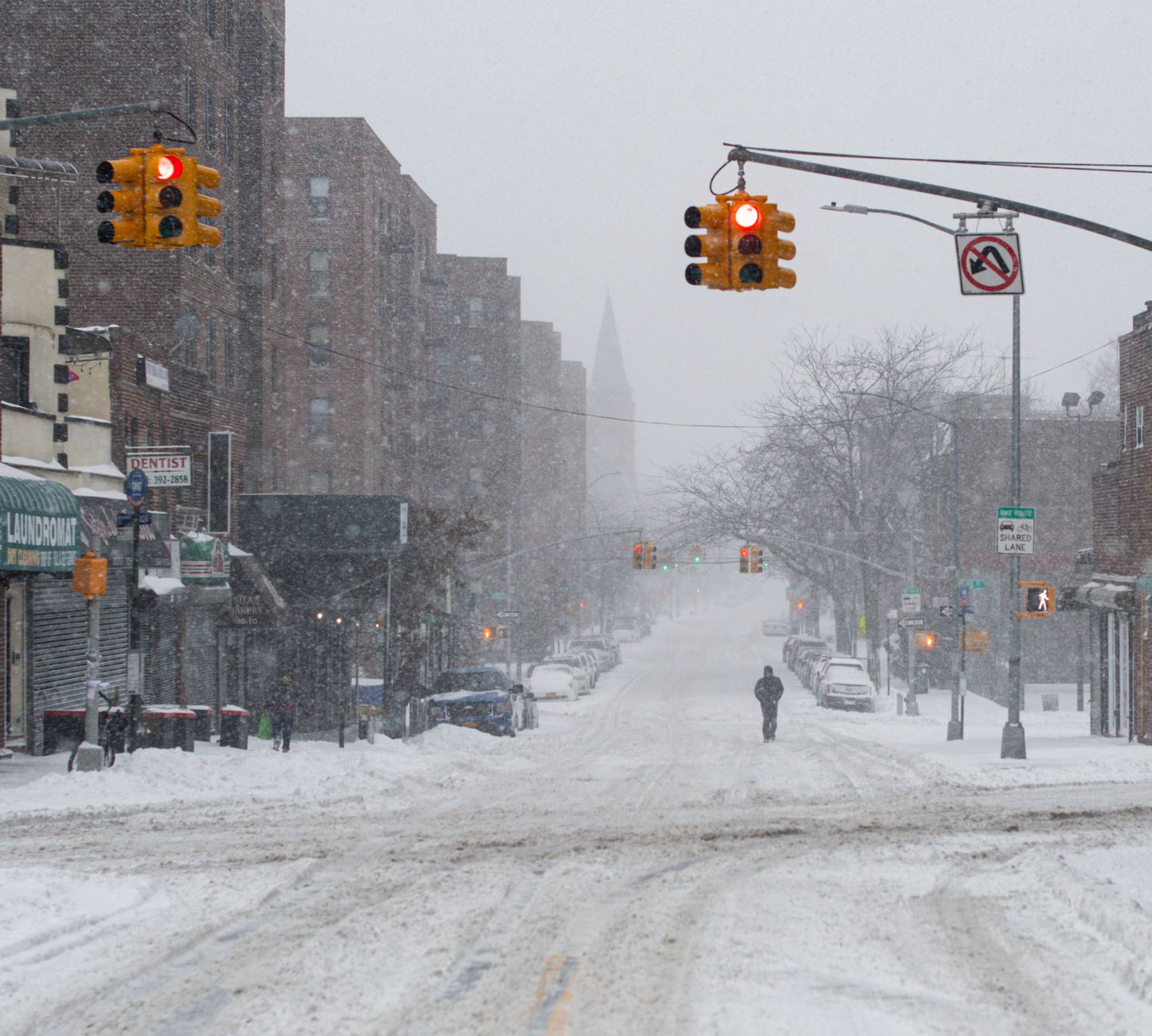
This development was confirmed in NOAA’s updated winter outlook report released on November 22, 2026. The report highlights that states such as California, Texas, and Florida may experience increased rainfall, while the northern regions could see a mix of precipitation types, including snow and rain. The implications of this forecast are far-reaching, impacting not only travel plans but also agricultural practices, water resource management, and emergency preparedness across the nation.
The heightened precipitation odds are triggered by the current strength of the El Niño event, which has been classified as moderate to strong. This classification is based on the observed sea surface temperature anomalies and atmospheric conditions that typically accompany El Niño phases. NOAA’s Climate Prediction Center has been closely monitoring these changes, providing timely updates to help communities prepare for potential weather-related disruptions.
As winter approaches, the increased likelihood of severe weather events is drawing attention from various sectors, including transportation, tourism, and agriculture. Airlines and travel agencies are already adjusting their operations in anticipation of potential disruptions caused by winter storms. Additionally, farmers are advised to prepare for the possibility of excessive rainfall, which could affect planting schedules and crop yields.
This story is receiving heightened attention now due to the proximity of the holiday season, a peak travel time for many Americans. With Thanksgiving and Christmas approaching, the potential for severe weather could significantly impact travel plans, prompting travelers to reconsider their itineraries and prepare for possible delays.
On a broader scale, the implications of this forecast extend beyond immediate travel concerns. The increased precipitation could lead to flooding in vulnerable areas, necessitating proactive measures from local governments and emergency services. Furthermore, the economic ramifications of disrupted travel and agricultural output could resonate throughout the national economy.
Looking ahead, NOAA will continue to monitor the El Niño conditions and provide updates as necessary. Stakeholders in various sectors, including transportation and agriculture, are advised to stay informed and prepare for the potential impacts of this winter’s weather patterns. With the winter solstice approaching, the next few weeks will be critical in determining the extent of El Niño’s influence on U.S. weather.
Source: The Watchers – Watching the world evolve and transform







Delta Airlines Faces Major Flight Delays Ahead of Thanksgiving Due to Technical Issues
Delta Airlines is experiencing significant flight delays due to a technical issue,...
 2 Mins read



Athlete Swims Strait of Hormuz to Highlight Environmental Impact of Iran War
A recent swim across the Strait of Hormuz by an athlete aims...
2 Mins read

El Niño Forecast Signals Significant Changes for Winter Weather in the U.S.
The latest El Niño forecast indicates substantial shifts in winter weather patterns...
2 Mins read
El Niño’s Influence on U.S. Winter Weather Forecasts for 2026
The El Niño phenomenon is set to significantly impact winter weather across...
2 Mins read
Leave a comment