
Escalating Tensions: Iran and the U.S. Trade Threats Following Houthi Attacks
MIAMI — September 21, 2026
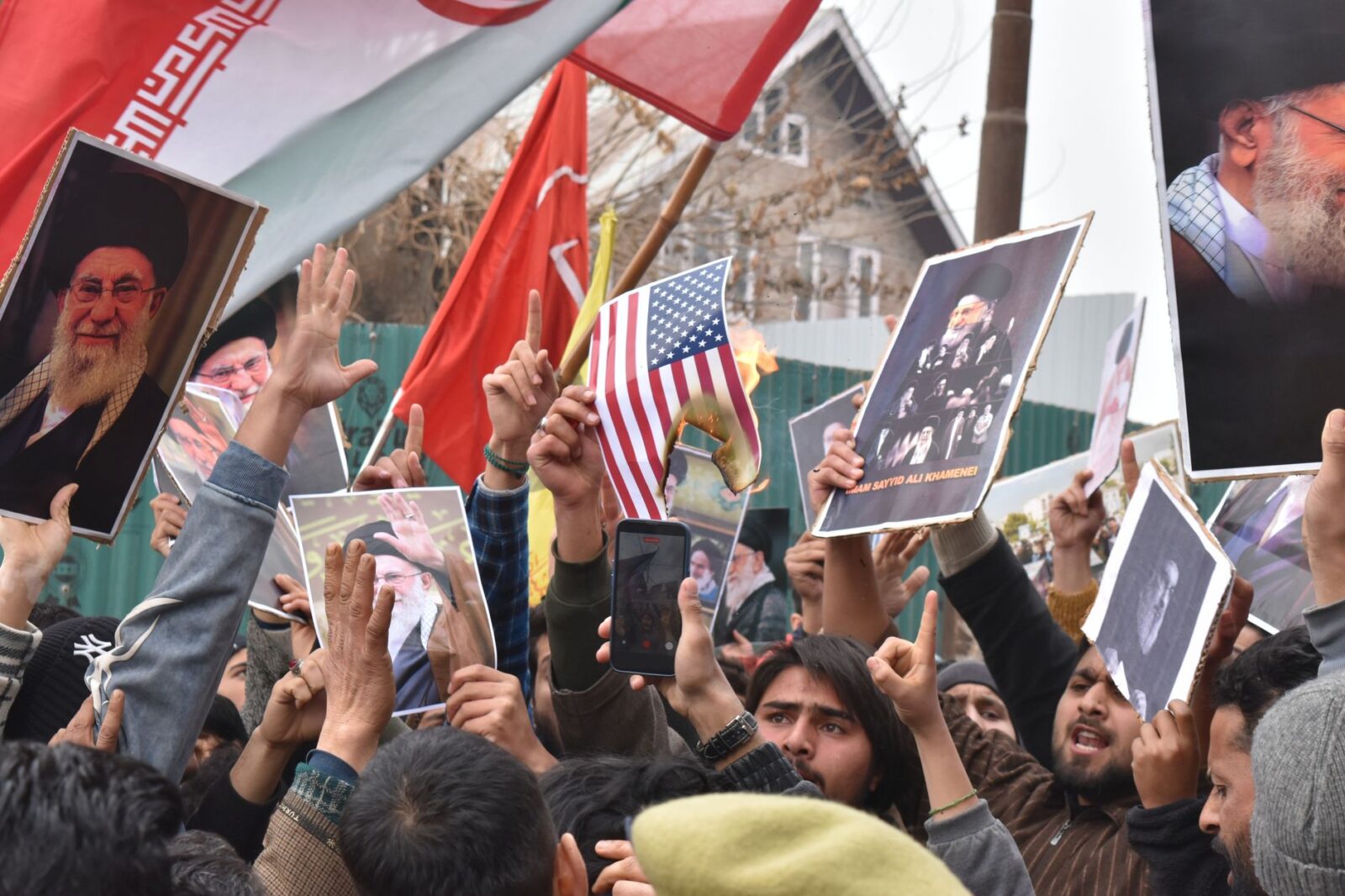
The geopolitical landscape in the Middle East has shifted dramatically following a series of recent Houthi attacks, leading to heightened tensions between Iran and the United States. As of September 20, 2026, U.S. embassies across the region issued security alerts for American citizens, reflecting the escalating threats that have emerged in the wake of these incidents.
The Houthi rebels, a group based in Yemen, have reportedly launched missile strikes targeting Saudi Arabian territory, which they claim is in retaliation for ongoing military actions against them. This development has drawn a stern response from Iran, which has been accused of providing support to the Houthis. The Iranian government has issued threats against U.S. interests in the region, warning of severe consequences should American forces engage in military action.
In response, the U.S. has ramped up its military presence in the Gulf, with officials indicating that they are prepared to take decisive action to protect their interests and allies. The U.S. Secretary of State has publicly condemned the Houthi attacks, labeling them as acts of aggression that threaten regional stability. This rhetoric has been echoed by military leaders who emphasize the need for a robust response to deter further escalations.
The situation is compounded by the complex web of alliances and enmities in the region. Iran’s support for the Houthis is seen as part of its broader strategy to exert influence across the Middle East, particularly in Yemen, where the Houthis have been engaged in a protracted conflict against a Saudi-led coalition. The U.S., on the other hand, has been a staunch ally of Saudi Arabia, providing military and logistical support in its efforts to counter Houthi advances.
This escalation is receiving significant attention now due to the potential for a wider conflict that could destabilize the region further. The U.S. has a vested interest in maintaining stability in the Gulf, given its strategic importance for global oil supplies and its role as a counterbalance to Iranian influence.
Looking ahead, the situation remains fluid. Analysts suggest that if the U.S. decides to engage militarily, it could lead to a significant escalation of hostilities, potentially drawing in other regional players. Conversely, diplomatic efforts may be pursued to de-escalate tensions, although the likelihood of successful negotiations appears slim given the current rhetoric from both sides.
In conclusion, the recent Houthi attacks and the subsequent threats from Iran and the U.S. underscore the fragile security environment in the Middle East. As both nations navigate this precarious situation, the implications for regional stability and international relations remain profound.
Source: CBS News








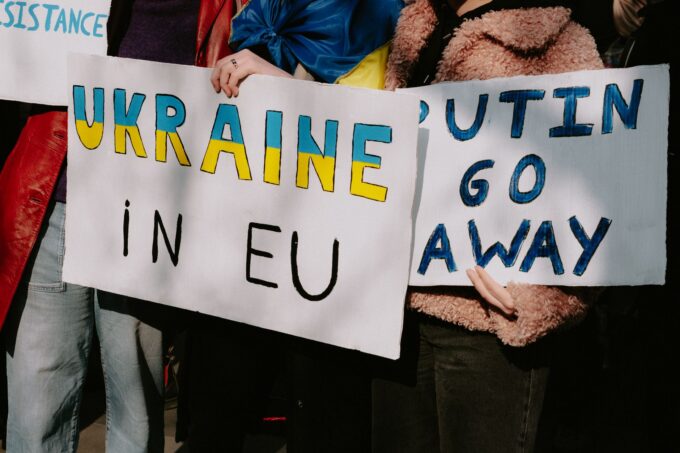
Russia’s Ruling Pro-Putin Party Secures Over 57% in Wartime Election
The ruling party's significant electoral victory during ongoing conflict raises critical questions...
 2 Mins read
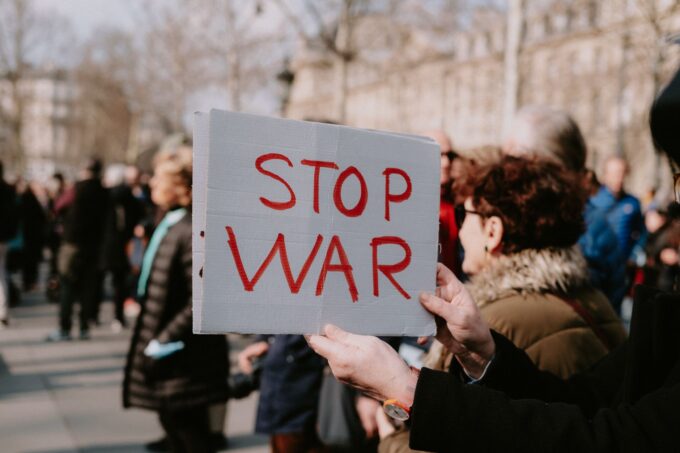
Iran Issues Stark Warning of Expanded Military Response to U.S. Actions
Iran's recent warning signals a significant escalation in geopolitical tensions, emphasizing the...
2 Mins read
Trump Issues Stark Warnings to Iran Amid Escalating Tensions
Former President Donald Trump has issued severe threats against Iran, warning of...
2 Mins read



Trump May Delay Taiwan Arms Deal Amid Xi Jinping’s Visit to Washington
The potential postponement of a significant arms deal with Taiwan highlights the...
2 Mins read

Leave a comment