
Escalation in Israel-Lebanon Conflict Amid U.S.-Iran Agreement

On June 16, 2026, Israel has intensified its military operations against targets in Lebanon, despite the recent diplomatic agreement between the United States and Iran aimed at easing tensions in the region. This escalation comes at a time when the international community had hoped that the U.S.-Iran deal would foster a more peaceful atmosphere, particularly given the longstanding hostilities that have defined Israeli-Lebanese relations.
The Israeli Defense Forces (IDF) have reportedly conducted a series of airstrikes, targeting Hezbollah positions in southern Lebanon. These actions are seen as a direct response to what Israel perceives as increasing aggression from Hezbollah, which has been bolstered by Iranian support. The attacks have resulted in civilian casualties and have drawn condemnation from various human rights organizations, further complicating the already fraught humanitarian situation in Lebanon.
This escalation is particularly significant as it threatens to undermine the fragile diplomatic progress made with the U.S.-Iran agreement. The deal aimed to curtail Iran’s nuclear ambitions in exchange for reduced sanctions, which many hoped would lead to a de-escalation of proxy conflicts throughout the Middle East. The renewed violence could provoke further military responses from Iran, potentially igniting a wider regional conflict that would have global implications for security and oil markets.
Looking ahead, the international community must closely monitor the situation, as continued Israeli attacks could provoke retaliatory actions from Hezbollah and Iran, further destabilizing the region. The potential for a broader conflict looms large, raising questions about the resilience of the recent diplomatic efforts and the future of peace in a historically volatile region.
Source: Drop Site News









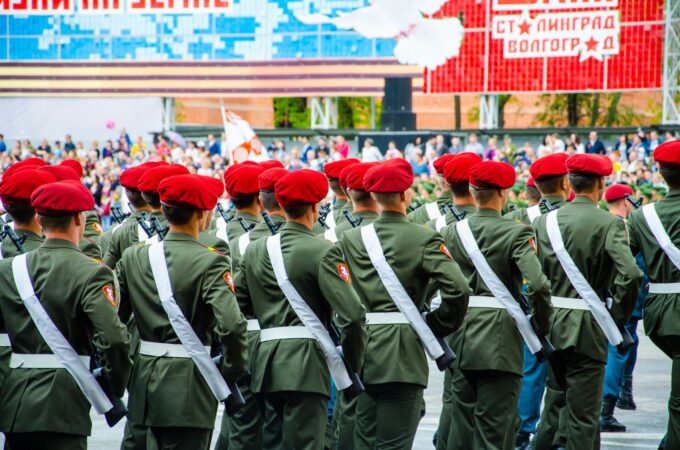
Zelenskyy Orders Proactive Measures Against Russian Military Assets
Ukrainian President Zelenskyy's directive underscores escalating tensions and strategic shifts in the...
 1 Mins read
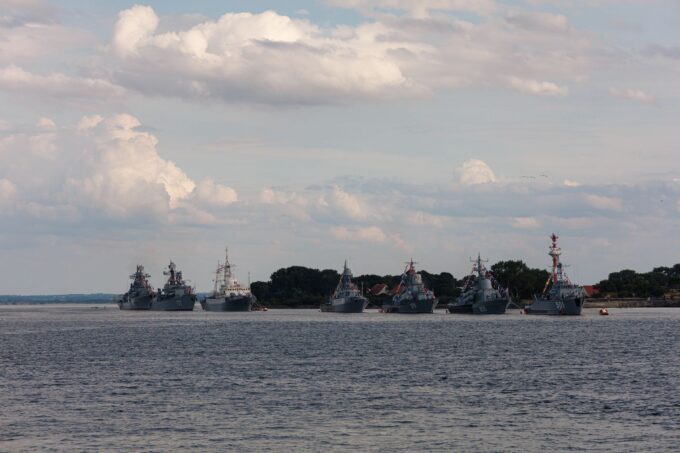
Russia’s Strategic Retreat in Ukraine Signals Urgent Need for Peace Negotiations
The global community must recognize Russia's weakened position in Ukraine to facilitate...
1 Mins read
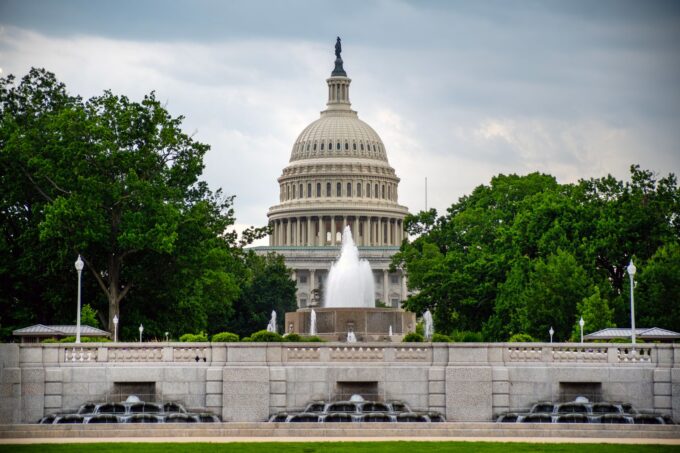
Trump and Senator Cassidy Clash in Capitol Hill Showdown
The confrontation between Trump and Cassidy underscores deep divisions within the Republican...
1 Mins read
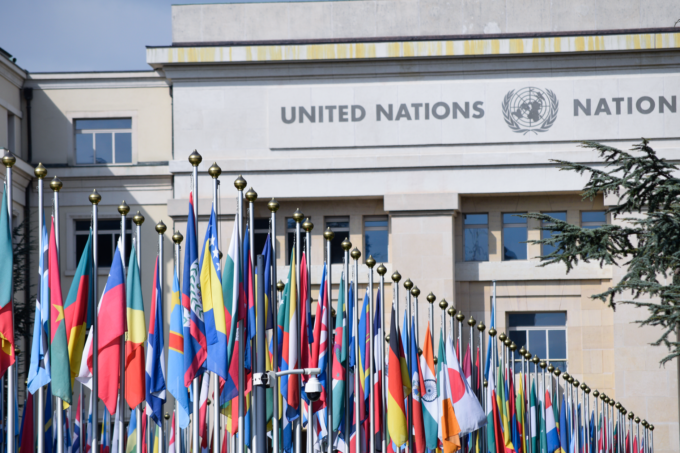


NATO’s Key Diplomat Engages with White House Ahead of Critical Summit
NATO's outreach to the White House underscores the alliance's strategic importance in...
1 Mins read

Leave a comment