
G-7 Agrees to Release Oil Reserves to Mitigate Fuel Prices
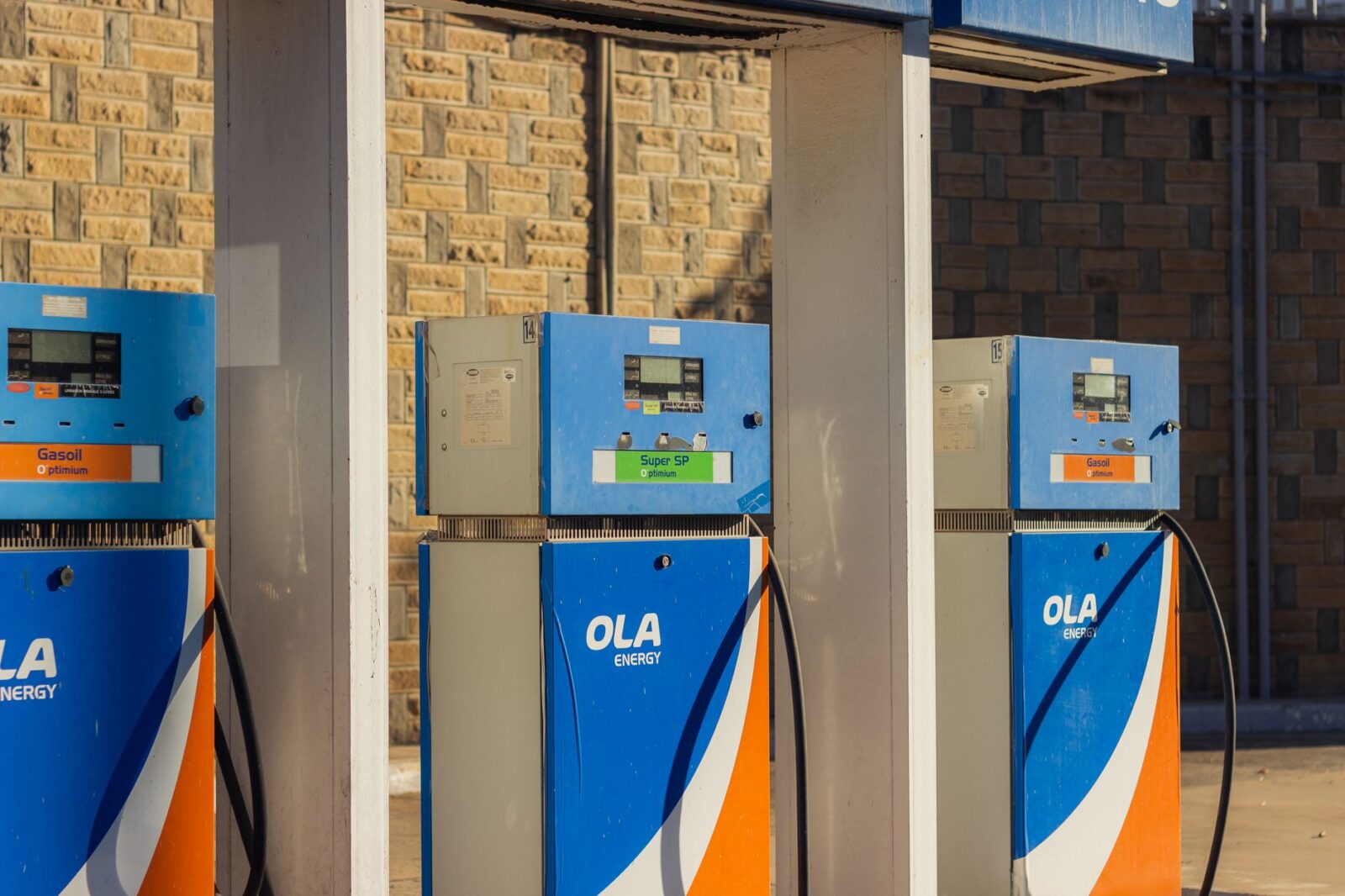
MIAMI — October 3, 2026
In a significant geopolitical and economic development, the Group of Seven (G-7) nations have agreed to release oil reserves to alleviate rising fuel prices. This decision comes after mounting pressure from the United States, which has been advocating for measures to stabilize the global oil market amid escalating costs for consumers.
The agreement was reached during a virtual summit held on October 2, 2026, where leaders from Canada, France, Germany, Italy, Japan, the United Kingdom, and the United States convened to discuss the ongoing energy crisis. The G-7’s collective action aims to address the immediate concerns of soaring fuel prices that have been affecting economies worldwide.
The decision to tap into strategic oil reserves is a response to a series of factors that have contributed to the surge in fuel prices, including geopolitical tensions, supply chain disruptions, and increased demand as economies recover from the impacts of the COVID-19 pandemic. The U.S. has been particularly vocal about the need for coordinated international action to prevent further inflationary pressures on consumers.
According to reports, the G-7 nations will release a combined total of approximately 60 million barrels of oil from their strategic reserves. This release is expected to provide temporary relief to the market, with the hope of stabilizing prices that have reached their highest levels in over a decade. The U.S. Department of Energy has indicated that it will contribute a significant portion of this release, reflecting its commitment to supporting global energy stability.
This development is receiving heightened attention due to its potential implications for both local and global economies. Rising fuel prices have a direct impact on inflation rates, consumer spending, and overall economic growth. As countries grapple with the dual challenges of energy security and economic recovery, the G-7’s coordinated response may serve as a critical turning point in managing these issues.
Looking ahead, the G-7’s decision to release oil reserves may lead to further discussions on long-term strategies for energy sustainability and security. As the world transitions towards greener energy sources, the reliance on fossil fuels remains a contentious topic. Future summits may focus on balancing immediate economic needs with long-term environmental goals.
In conclusion, the G-7’s agreement to release oil reserves marks a pivotal moment in the ongoing dialogue about energy management and economic stability. The effectiveness of this measure will be closely monitored in the coming weeks as markets react and consumers await relief from rising fuel costs.
Source: The Washington Post








G7 Announces Release of 100 Million Barrels of Oil and Diesel
The G7's decision to release 100 million barrels of oil and diesel...
 2 Mins read

Novig Sees 94% Surge in Trading Volume Following Sydney Sweeney Campaign
The prediction market platform Novig reports a significant increase in trading activity...
2 Mins read
Hemp THC Industry Mobilizes Against Looming Federal Ban
The $28 billion hemp THC industry is facing a critical threat from...
2 Mins read


G7 Nations Agree to Release 100 Million Barrels of Oil and Diesel Fuel
The G7's decision to release significant oil reserves aims to stabilize global...
2 Mins read

Leave a comment