
Federal Reserve Raises Interest Rates: Implications for the Economy and Markets
MIAMI — September 17, 2026
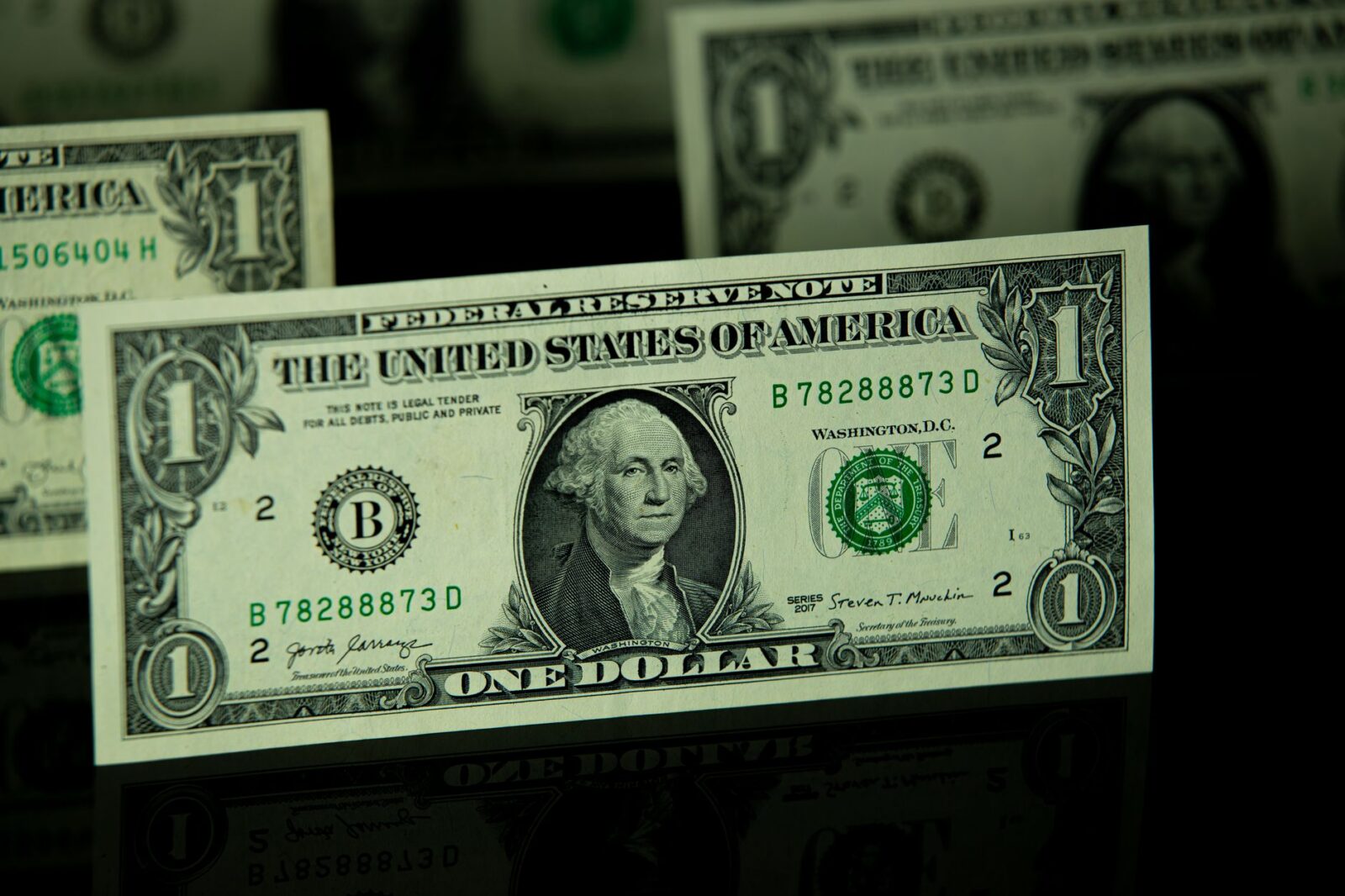
In a significant economic development, the Federal Reserve announced on September 17, 2026, that it has raised interest rates by 25 basis points, marking a pivotal shift in monetary policy aimed at curbing inflation and stabilizing the economy. This decision comes amid rising concerns about inflationary pressures that have been affecting consumer prices and overall economic stability.
The Federal Open Market Committee (FOMC), which is responsible for setting monetary policy, convened to assess the current economic landscape. The decision to increase the federal funds rate from 5.25% to 5.50% was made in light of persistent inflation, which has remained above the Fed’s target of 2%. The last rate hike occurred in July 2026, indicating a continued tightening of monetary policy as the central bank seeks to manage inflation without stifling economic growth.
This latest rate increase has immediate implications for financial markets. Following the announcement, U.S. stock indices experienced a notable decline, with the S&P 500 dropping by 1.5% and the Dow Jones Industrial Average falling by 1.2%. In contrast, the U.S. dollar gained strength against major currencies, reflecting investor confidence in the Fed’s commitment to controlling inflation.
The decision to raise interest rates was influenced by several factors, including robust employment figures and consumer spending that have outpaced expectations. However, the Fed is also grappling with the potential risks of a slowing economy, as higher borrowing costs could dampen consumer spending and business investment.
This development is receiving heightened attention as it underscores the delicate balance the Federal Reserve must maintain between fostering economic growth and controlling inflation. Analysts are closely monitoring the Fed’s next moves, particularly in light of upcoming economic indicators and consumer sentiment reports.
Locally, the implications of this rate hike are particularly relevant for Miami’s real estate market, which has seen a surge in demand and prices over the past few years. Higher interest rates could lead to increased mortgage costs, potentially cooling the housing market and affecting affordability for prospective buyers.
Nationally, the Fed’s decision is likely to influence consumer behavior, as higher interest rates typically lead to increased costs for loans and credit. This could result in reduced consumer spending, which is a critical driver of economic growth.
Looking ahead, market analysts predict that the Federal Reserve may continue to adjust interest rates in response to evolving economic conditions. The next FOMC meeting is scheduled for late October 2026, where further adjustments may be discussed based on inflation trends and economic performance. Investors and consumers alike will be watching closely to gauge the long-term impacts of this rate hike on the broader economy.
Source: The Weekly Times









Navigating the New Frontier: AI Labs and the Safety Imperative
Exploring the strategic interplay between AI safety initiatives and competitive advantage among...
 2 Mins read
Federal Reserve Raises Interest Rates by a Quarter Point to Combat Inflation
The Federal Reserve's recent decision to increase interest rates marks a significant...
1 Mins read
Federal Reserve’s Kashkari Issues Stark Inflation Warning, Advocates for Rate Hikes
Neel Kashkari, President of the Federal Reserve Bank of Minneapolis, has raised...
2 Mins read


India Faces Potential 50 Basis Points Rate Hike Amid Federal Reserve Tightening
As the U.S. Federal Reserve tightens its monetary policy, India may respond...
2 Mins read

Leave a comment