
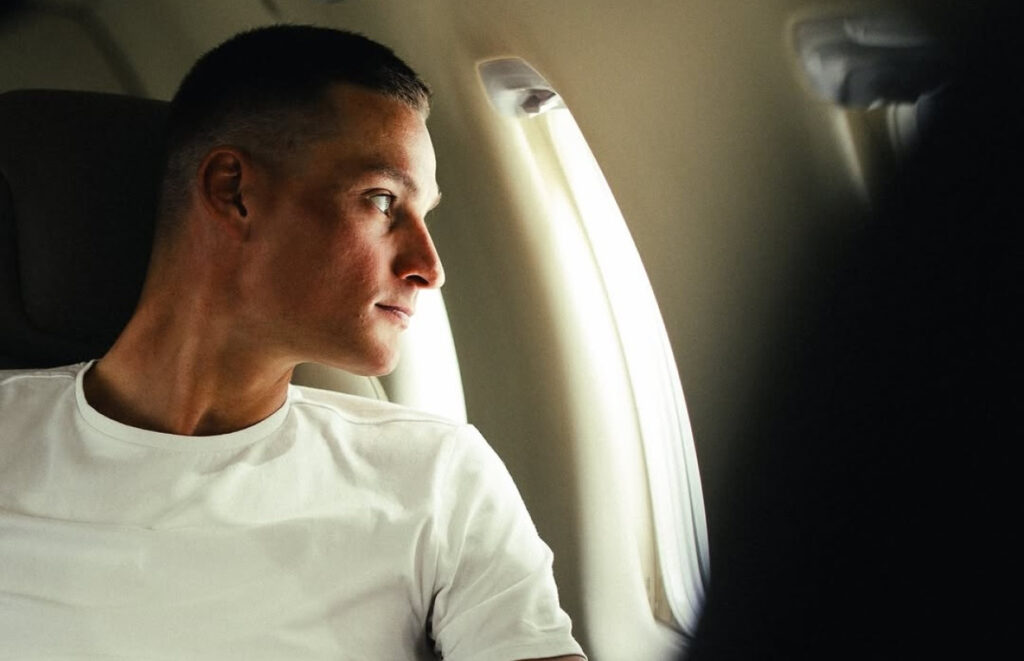
Mathieu van der Poel Faces Backlash Over Private Flight Sponsorship
Mathieu van der Poel, the Dutch cycling star, has found himself at the center of a controversy following his recent announcement of a sponsorship agreement with Flying Group, a company specializing in private aviation. This partnership was revealed just hours before the commencement of the 2025 Tour de France, a timing that has only intensified the scrutiny he faces. Unlike the usual supportive comments he receives, this announcement has drawn a significant wave of criticism, primarily focused on the environmental implications of private air travel.
The Announcement and Immediate Reaction
In his Instagram post, van der Poel expressed his excitement about becoming an ambassador for Flying Group, stating, “I am delighted to announce that I am an ambassador for Flying Group, proud to represent a company that is elevating the world of private aviation.” However, the response was swift and overwhelmingly negative. Within a short period, over 1,300 comments flooded his post, many of which highlighted the stark contradiction between the use of private jets and the increasing commitment within the sports community—particularly cycling—to sustainability.
Critics voiced their disappointment with comments such as, “Take the train and set an example,” and “Do you think climate change is a joke?” These remarks reflect a growing concern among fans and environmental advocates regarding the carbon footprint associated with private flights.
Environmental Concerns
The criticisms directed at van der Poel are not unfounded. Data from 2023 indicates that the average private jet flight emits approximately 3.6 tons of CO₂, which is nearly equivalent to the annual carbon footprint of an average citizen in many European countries. Furthermore, private jets can produce emissions that are up to 4,559% higher per kilometer than commercial flights when measured per passenger. This stark contrast raises serious questions about the environmental responsibility of athletes, especially those in a sport that has increasingly embraced sustainability.
Van der Poel’s Response
In light of the backlash, van der Poel took to the same Instagram post to address the criticism more comprehensively. He emphasized his desire for transparency regarding his collaboration with Flying Group, acknowledging the environmental concerns raised by his followers. “I understand environmental concerns and respect all opinions,” he stated, attempting to bridge the gap between his professional needs and public expectations.
The cyclist clarified that his decision was not rooted in luxury but rather in optimizing his performance and well-being as an elite athlete. “For my sport and my career, the way I travel is important. I work very hard every day to perform at the highest level, and that involves making decisions that protect my time, my health, and my peace of mind,” he explained.
Balancing Performance and Responsibility
Van der Poel further elaborated on his commitment to making responsible decisions whenever possible. He argued that the nature of his profession necessitates certain choices that may not align perfectly with public sentiment but are essential for his success. “Flying relaxed, with less stress and exposure, helps me stay focused and healthy,” he added, reinforcing the notion that elite athletes often face unique challenges that require tailored solutions.
Conclusion
The controversy surrounding Mathieu van der Poel’s sponsorship with Flying Group highlights a significant tension in the world of sports: the balance between personal performance and environmental responsibility. As athletes become increasingly visible and influential, their choices are scrutinized more than ever. While van der Poel defends his decision as a means to enhance his performance, the backlash serves as a reminder of the broader societal expectations regarding sustainability. As the conversation continues, it remains to be seen how athletes like van der Poel will navigate the complexities of their professional commitments in an era that demands greater accountability for environmental impact.








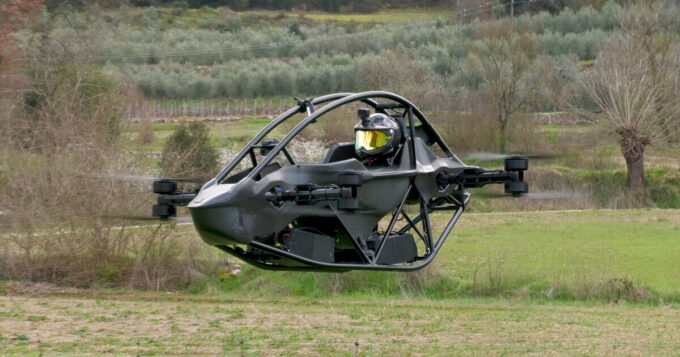
Jetson One 2026: A Personal eVTOL Priced at 148,000 Signals New Era for Recreational Flight
Presented as the world’s first personal air vehicle, the Jetson One 2026...
 ABL2 Mins read
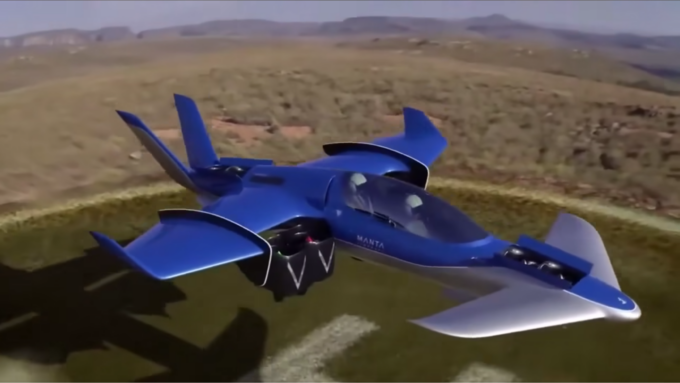
Hybrid‑Electric VTOLs and the Convergence of Aviation and Smart Mobility
Ethen Laing of LAING International frames hybrid‑electric VTOL concepts—exemplified by Manta Aircraft—as...
ABL2 Mins read
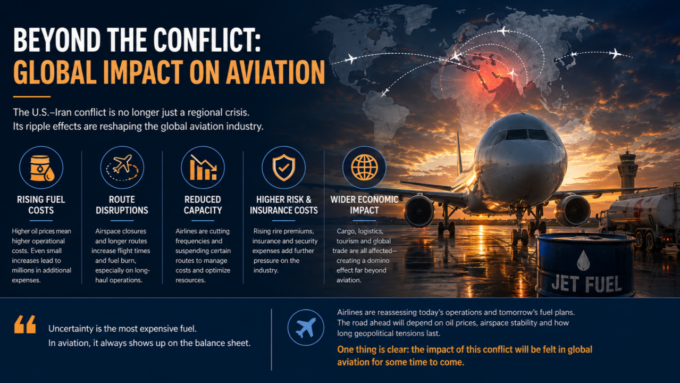
Jet Fuel Shockwaves: How U.S.–Iran Tensions Are Reshaping Airline Operations
Escalating U.S.–Iran tensions are forcing airlines to reassess fuel planning, curtail flights...
ABL2 Mins read
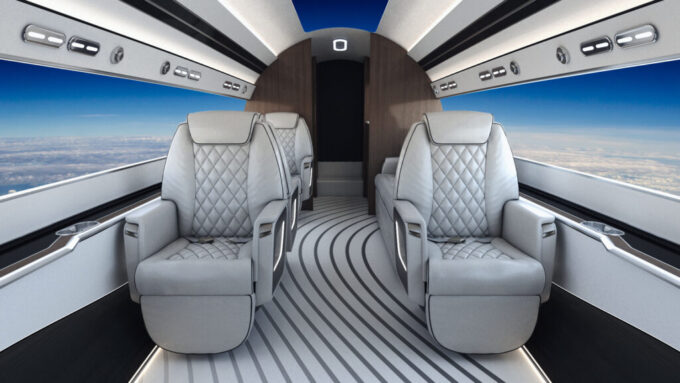


Luxury Jet Swaps Cabin Windows for Video Screens
The Future of Air Travel: Windowless Jets and Virtual Views For many...
ABL3 Mins read
