
Fourth Death Linked to Vibrio vulnificus Infections in Florida Raises Public Health Concerns
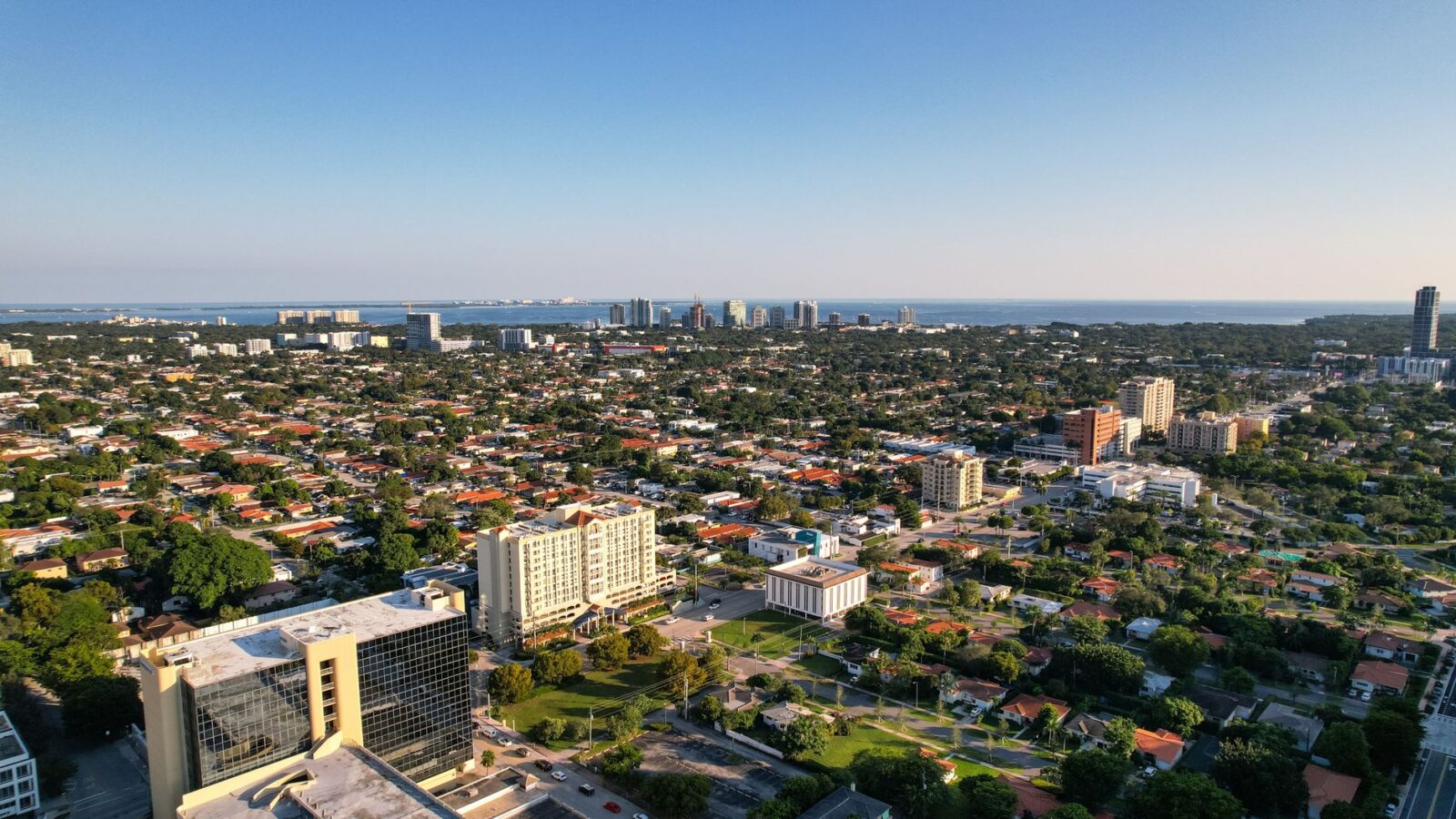
BROWARD, FL — September 17, 2026 — A fourth individual has died in Florida after contracting Vibrio vulnificus, a bacterium often referred to as a “flesh-eating bacteria.” This alarming development was confirmed by the Florida Department of Health, which has been monitoring the rise in infections this year.
The latest victim, a resident of Broward County, underscores the growing public health crisis associated with this pathogen, which thrives in warm coastal waters and can cause severe illness in individuals with compromised immune systems or underlying health conditions. The Florida Department of Health has reported that Vibrio vulnificus infections are particularly dangerous, leading to severe skin and soft tissue infections, and can be fatal if not treated promptly.
Vibrio vulnificus infections typically occur during the warmer months, with the state experiencing a notable uptick in cases this year. The bacterium is commonly found in raw or undercooked seafood, particularly oysters, and can also enter the body through open wounds exposed to seawater. The recent fatalities have prompted health officials to issue warnings to the public regarding the risks associated with consuming raw shellfish and engaging in water activities with open cuts.
As of mid-September, the Florida Department of Health has recorded a total of four deaths linked to Vibrio vulnificus infections this year, a concerning statistic that has drawn attention from both local and national health authorities. The previous three fatalities occurred in different counties, indicating a broader geographical impact of the infections.
This situation is receiving heightened attention now due to the cumulative nature of the deaths and the potential for further infections as the state continues to experience warm weather. Public health officials are urging residents and visitors to take precautions, such as avoiding raw seafood and covering any wounds before entering the water.
The implications of these infections extend beyond individual health, as they raise significant concerns about public safety and the effectiveness of health communication strategies. The state’s response to this outbreak will likely involve increased public awareness campaigns and possibly new regulations regarding seafood safety and public health advisories.
Looking ahead, it is realistic to expect that health officials will continue to monitor the situation closely, with potential updates on infection rates and further recommendations for public safety. Additionally, there may be calls for more robust research into the environmental factors contributing to the rise in Vibrio vulnificus cases, as well as the development of targeted public health interventions to mitigate future outbreaks.
Source: facebook.com









Public Health Concerns Emerge as Massage Clients Report Flu-like Reactions
Recent reports of flu-like symptoms following spa treatments have raised significant public...
 2 Mins read

Public Health Concerns Arise as Clients Report Flu-like Reactions After Spa Treatment
Recent reports of flu-like symptoms following a popular spa treatment have raised...
2 Mins read

Colombians Involved in Moïse’s Assassination to Face Trial in Miami
The extradition of Colombian nationals implicated in the assassination of Haitian President...
1 Mins read



Eighteen Suspects in Assassination of Haiti’s President Extradited to Miami for Trial
The extradition of suspects involved in the assassination of Haiti's President Jovenel...
2 Mins read

Leave a comment