
Russia’s Ruling Party Poised for Victory in Wartime Election Amid Drone Strikes
MOSCOW — September 20, 2026
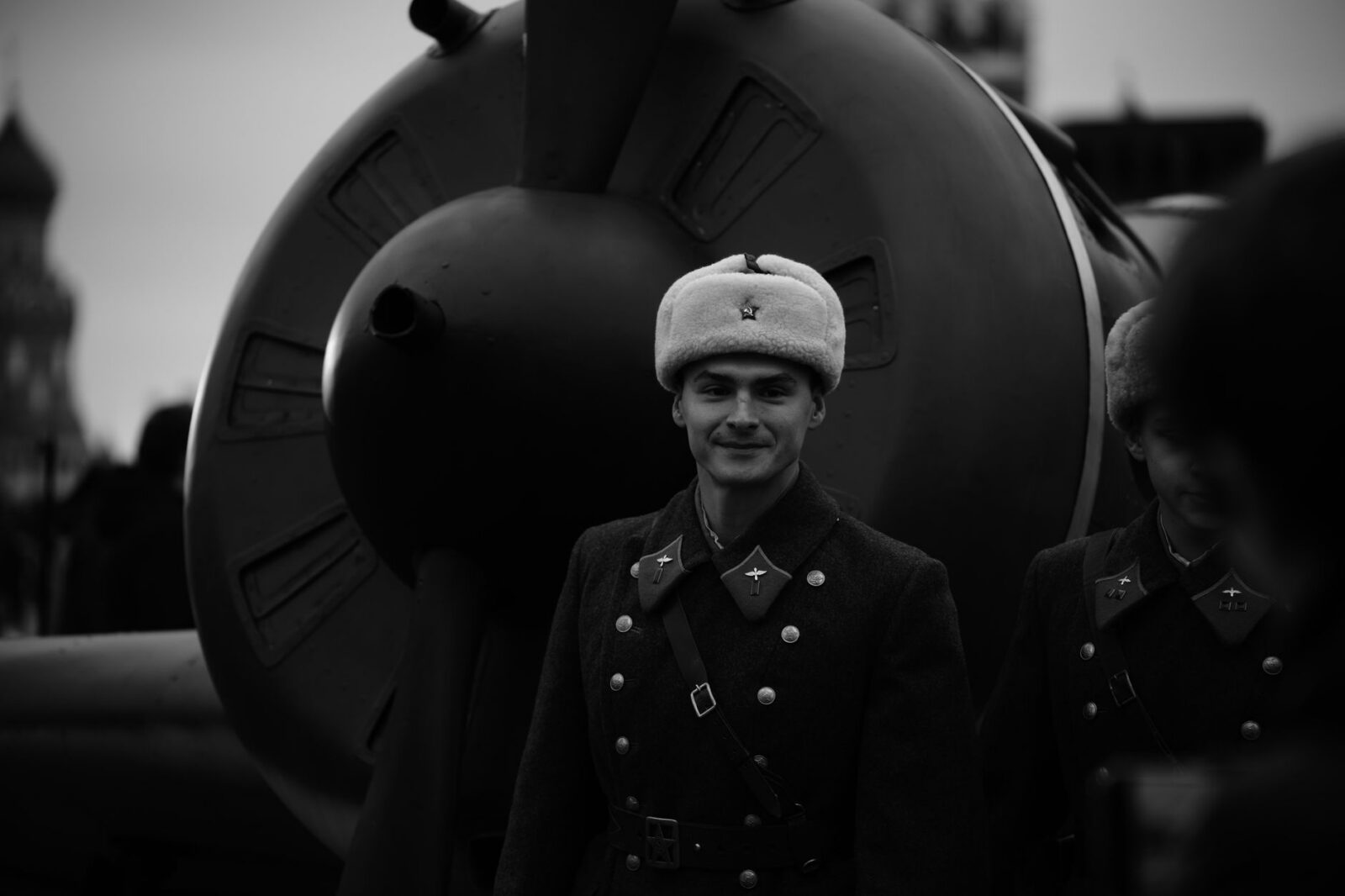
In a significant geopolitical development, Russia’s ruling pro-Putin party, United Russia, is poised to win the ongoing wartime elections, coinciding with drone strikes that have targeted Moscow on the same day. This election, held under the shadow of conflict, underscores the complexities of governance and public sentiment in a nation embroiled in war.
The elections began on September 19, 2026, and are set to conclude on September 21, 2026. The timing of these elections is particularly critical, as they occur amidst escalating tensions and military operations in Ukraine, where Russia has faced significant resistance. The drone strikes, which reportedly struck various locations in Moscow, including government buildings, have heightened security concerns and raised questions about the effectiveness of the current administration.
United Russia, which has maintained a strong grip on power since its formation in 2001, is led by Prime Minister Mikhail Mishustin. The party’s dominance in the political landscape has been facilitated by a combination of state control over media, suppression of dissent, and the framing of the conflict as a patriotic duty. The recent drone strikes, attributed to Ukrainian forces, serve as a stark reminder of the ongoing conflict and its implications for domestic stability.
The elections were triggered by a combination of factors, including the need for the government to solidify its power during wartime and to project a sense of unity among the populace. The Kremlin has emphasized the importance of these elections as a means to demonstrate public support for its military actions and to legitimize its governance amidst international scrutiny.
Financial interests are also at stake, as the outcome of the elections could influence economic policies and military funding. Analysts suggest that a strong showing by United Russia may lead to increased military expenditures and further entrenchment of the current regime’s policies, which have been characterized by a focus on national security and defense.
This development is receiving heightened attention due to its implications for both domestic and international relations. A decisive victory for United Russia could embolden the government to pursue more aggressive military strategies, while also impacting Russia’s relations with Western nations, which have imposed sanctions in response to its actions in Ukraine.
Looking ahead, the potential for increased military engagement in Ukraine remains a critical concern. Should United Russia secure a significant electoral victory, it may lead to further escalations in the conflict, with the government likely to leverage its mandate to justify continued military operations. Additionally, the international community will be closely monitoring the situation, as any shifts in Russia’s domestic policies could have far-reaching consequences for global stability.
Source: Reuters






Far-Right AfD Party Secures Victory in Mecklenburg-Western Pomerania Elections
The far-right Alternative for Germany (AfD) party has won the state elections...
 2 Mins read
Trump Orders Creation of White House Board to Oversee NIH Grants
The establishment of a White House board for NIH grant approvals marks...
2 Mins read

Trump’s Directive to Establish Health Funding Board Signals Shift in NIH Oversight
The formation of a health funding board with veto power over 'woke'...
2 Mins read


Russia’s Ruling Party Secures Victory in Wartime Election Amid Drone Strikes
The ruling party in Russia has won a significant election amidst ongoing...
2 Mins read

Leave a comment