
G7 Leaders Endorse Stronger Measures Against Russia Amid Trump’s Policy Shift
In a significant turn of events, leaders of the G7 nations convened on June 18, 2026, to endorse a tougher stance against Russia, particularly in the wake of recent geopolitical developments. This meeting comes at a critical juncture as former U.S. President Donald Trump, who has historically been perceived as sympathetic to Russian interests, appears to be recalibrating his approach towards Moscow. His shift could have profound implications for international policy and alliances.
The G7, consisting of Canada, France, Germany, Italy, Japan, the United Kingdom, and the United States, collectively expressed their commitment to implementing stricter sanctions against Russia. This decision reflects growing concerns over Russia’s military activities and its ongoing involvement in conflicts that threaten regional stability, particularly in Eastern Europe. The leaders emphasized the need for a coordinated response to ensure that Russia is held accountable for its actions, which they describe as increasingly aggressive and destabilizing.
This matter is of global significance as it underscores the fragility of international relations and the potential for further escalation in tensions between Russia and the West. The G7’s unified front sends a clear message not only to Moscow but also to other nations that may be contemplating similar aggressive actions. The implications of these discussions could reshape trade relations, security alliances, and diplomatic engagements worldwide.
Looking ahead, the G7 leaders will likely face pressure to translate their commitments into concrete actions. As sanctions are proposed, the international community will be watching closely to see how Russia responds. Should Moscow retaliate, it could lead to a cycle of escalatory measures that might destabilize not only Europe but also have broader implications for global security and economic stability. The coming weeks will be pivotal in determining whether diplomatic avenues can still be pursued or if the situation will devolve into further confrontation.
Source: RFI









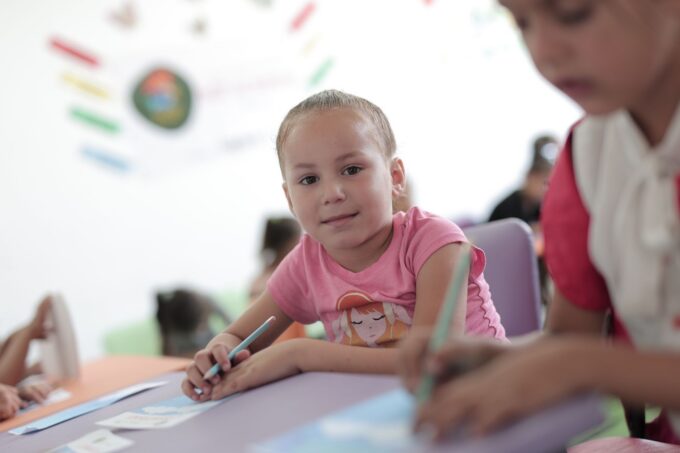
Gaza Students Resort to Writing on Aid Boxes Amid Severe Paper Shortages
The ongoing paper shortages in Gaza highlight the humanitarian crisis affecting education...
 1 Mins read

China’s UN Envoy Urges Israel to Adhere to Gaza Ceasefire Amid Escalating Tensions
China's call for Israel to uphold the Gaza ceasefire highlights the urgent...
1 Mins read
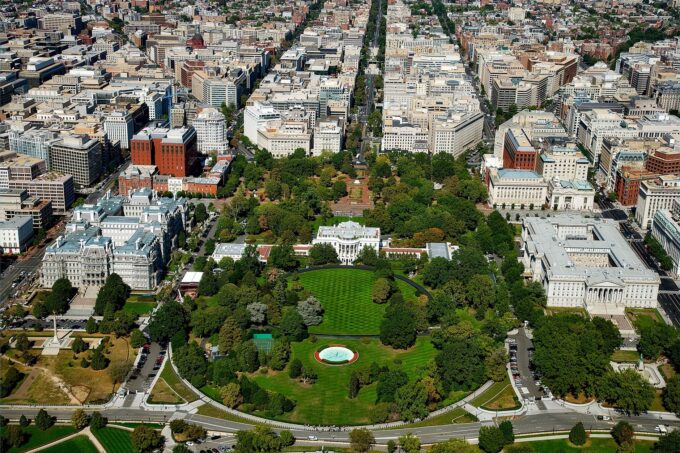
White House Highlights Delayed Obama Presidential Center to Elevate Trump’s Legacy as ‘Builder-in-Chief’
The delayed inauguration of the Obama Presidential Center underscores the contrasting legacies...
1 Mins read
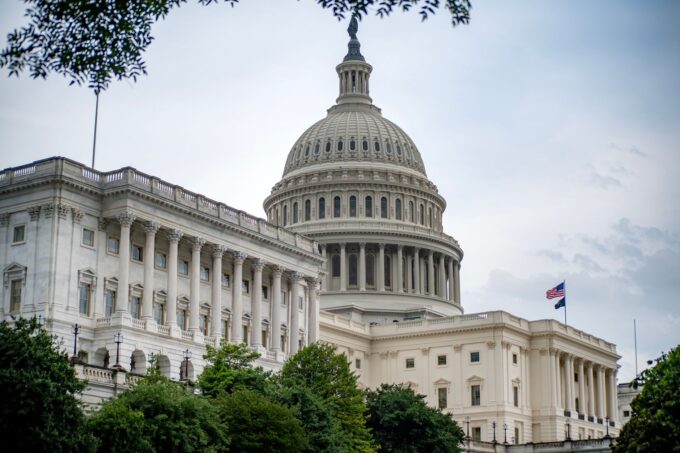


Trump’s Executive Power Ambitions Emerge in New Book
The global implications of Trump's increasing push for executive power resonate amid...
1 Mins read

Leave a comment