
G7 Nations Announce Release of Oil Reserves to Stabilize Market Prices
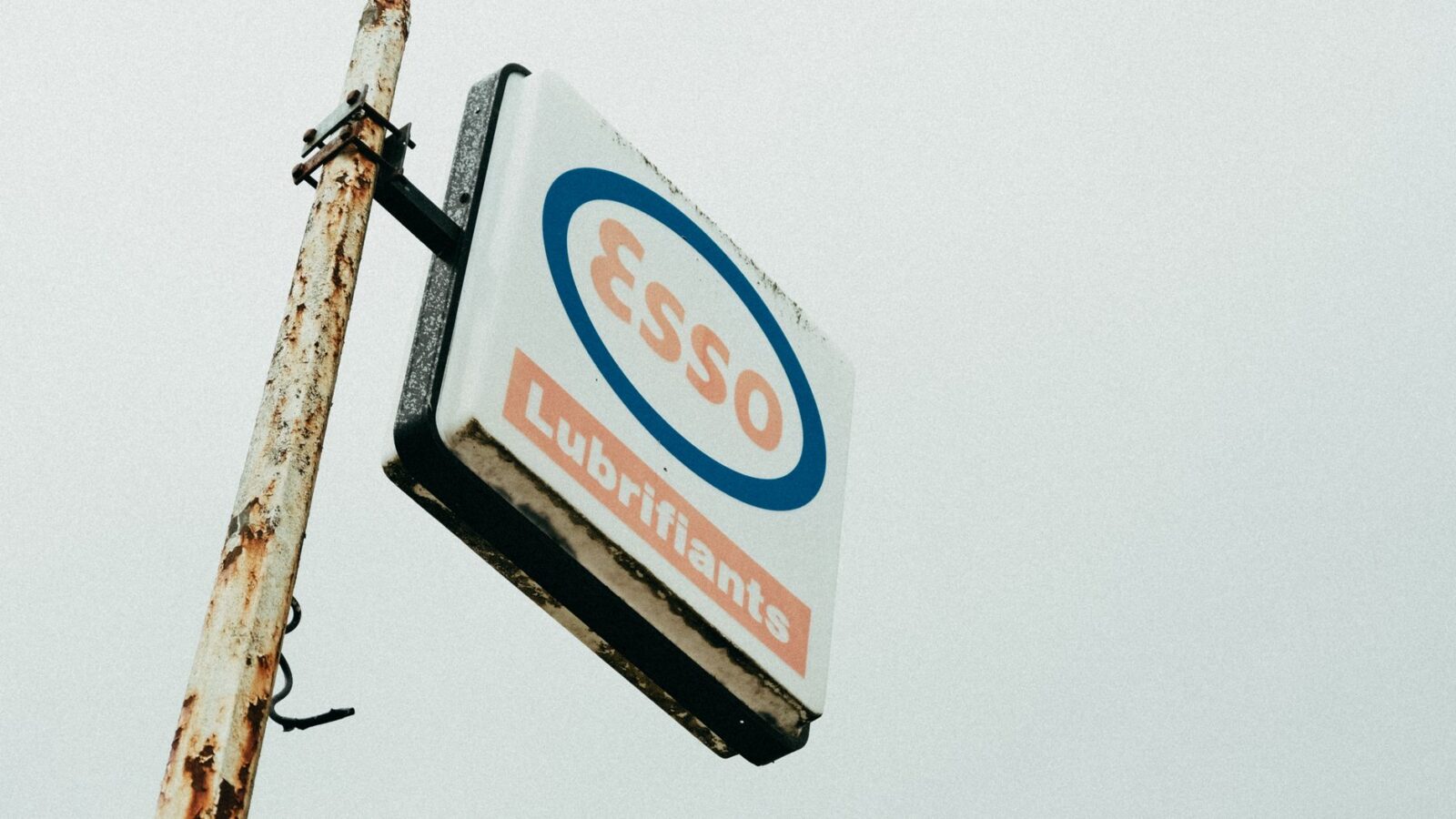
MIAMI — October 2, 2026
In a coordinated effort to stabilize surging oil prices, the Group of Seven (G7) nations announced on October 2, 2026, their decision to release strategic oil and diesel reserves. This action comes in response to recent market volatility that has seen energy prices spike, impacting economies worldwide.
The G7, comprising Canada, France, Germany, Italy, Japan, the United Kingdom, and the United States, made this announcement following a series of discussions aimed at addressing the ongoing challenges in the global energy market. The decision is particularly significant given the current geopolitical tensions and supply chain disruptions that have exacerbated price fluctuations.
The trigger for this development appears to be a combination of factors, including increased demand post-pandemic, geopolitical instability in oil-producing regions, and recent natural disasters that have disrupted supply chains. As a result, oil prices have risen sharply, prompting concerns about inflation and economic stability in various countries.
While the exact volume of reserves to be released has not been disclosed, the G7’s commitment to intervene in the market underscores the seriousness of the situation. The International Energy Agency (IEA) has previously indicated that such releases can help mitigate price spikes and provide temporary relief to consumers and businesses alike.
This announcement is receiving heightened attention now due to the immediate impact on global markets. Analysts predict that the release of reserves could lead to a decrease in oil prices, which have been hovering around $100 per barrel in recent weeks. The G7’s proactive stance is seen as a necessary measure to prevent further economic strain, particularly in Europe, where energy costs have become a pressing issue.
Locally, this development matters as it could influence energy prices in the United States and Canada, where consumers are already feeling the pinch from rising fuel costs. Nationally, the decision reflects a collective response to a crisis that could have broader implications for economic recovery and inflation rates.
Looking ahead, the G7’s actions may prompt other nations to consider similar measures, potentially leading to a more significant global response to energy market challenges. Additionally, the effectiveness of this strategy will be closely monitored, as market reactions will determine whether further interventions are necessary. The G7’s commitment to maintaining stability in the energy sector will likely remain a focal point in international economic discussions in the coming weeks.
Source: Il Foglio









G7 Announces Immediate Release of 100 Million Barrels of Oil in Response to Trump Threat
The G7's decisive action to release oil underscores the geopolitical tensions surrounding...
 2 Mins read
G7 Nations Agree to Release 100 Million Barrels of Oil and Diesel Stocks Amid U.S. Policy Shift
The G7's recent decision to release significant oil and diesel stocks, coupled...
2 Mins read

Trump Promises Nearly $100 Cash Giveaway to Seniors
The former president's latest initiative aims to support 20 million seniors, raising...
1 Mins read


G7 Agrees to Release 100 Million Barrels of Diesel and Crude Oil After Trump Pressure
The G7's recent decision to release oil stocks marks a significant shift...
2 Mins read

Leave a comment