
G7 Nations Agree to Release 100 Million Barrels of Oil and Diesel Stocks Amid U.S. Policy Shift
MIAMI — October 3, 2026
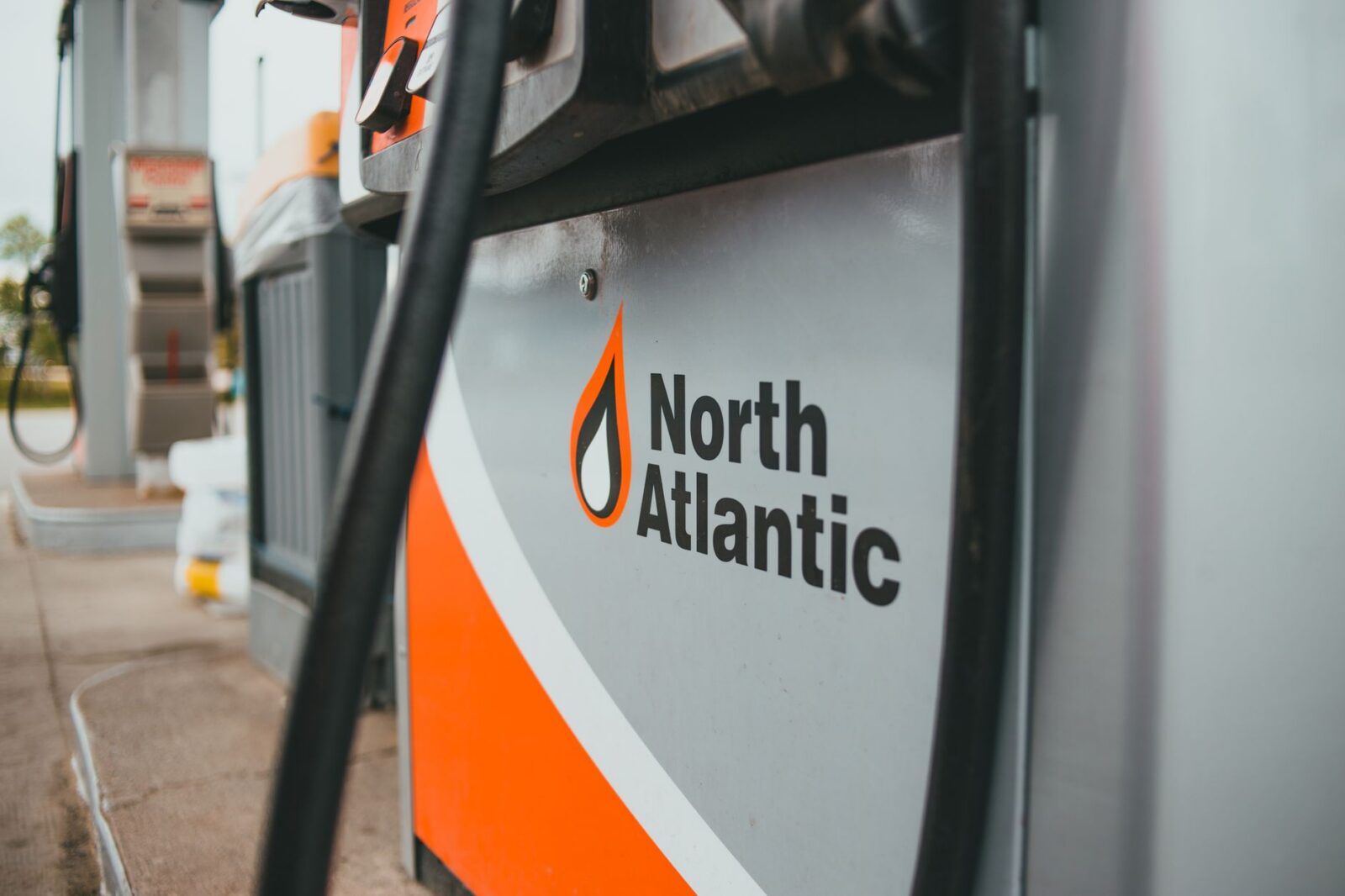
In a significant development for global energy markets, the Group of Seven (G7) nations have agreed to release 100 million barrels of oil and diesel stocks. This decision comes at a time when energy prices are under scrutiny, and supply chain stability is paramount. Concurrently, former U.S. President Donald Trump announced that the United States will not impose a diesel export ban, further influencing market dynamics.
The G7 agreement was reached during a meeting held on October 2, 2026, where leaders from Canada, France, Germany, Italy, Japan, the United Kingdom, and the United States convened to address rising energy costs and supply concerns exacerbated by geopolitical tensions and climate-related disruptions. The decision to release these stocks is intended to stabilize the market and mitigate the impact of rising fuel prices on consumers and businesses alike.
Trump’s statement, made on the same day, reinforces the U.S. commitment to maintaining a free flow of diesel exports, which is crucial given the current global energy landscape. The former president’s remarks come amid ongoing discussions about energy security and the need for countries to collaborate in addressing supply shortages.
The trigger for this coordinated action stems from a combination of factors, including recent spikes in oil prices and the ongoing conflict in Eastern Europe, which has disrupted traditional supply routes. The G7’s decision reflects a collective response to these challenges, aiming to reassure markets and consumers of a stable energy supply.
Financial interests are at stake, as the release of these stocks could potentially lower prices in the short term, benefiting consumers but impacting oil-producing nations’ revenues. The International Energy Agency (IEA) has indicated that such measures are necessary to prevent further economic strain on countries heavily reliant on energy imports.
This story is receiving heightened attention now due to the immediate implications for global energy prices and the potential ripple effects on inflation and economic recovery in various regions. As countries grapple with the dual challenges of energy security and climate commitments, the G7’s actions may set a precedent for future international cooperation on energy issues.
Looking ahead, the next steps will likely involve monitoring the impact of this stock release on global oil prices and assessing the effectiveness of the G7’s strategy. Additionally, further discussions on energy policy and cooperation among G7 nations may emerge, particularly as the world approaches the critical climate summit scheduled for later this year.
Source: Stocktwits










Empowering Your Career: The Art of Setting Boundaries
Discover how setting boundaries can transform your career and enhance leadership potential,...
 3 Mins read
Navigating the New Landscape of AI and Election Integrity
As artificial intelligence reshapes political campaigning, states grapple with the challenges of...
3 Mins read
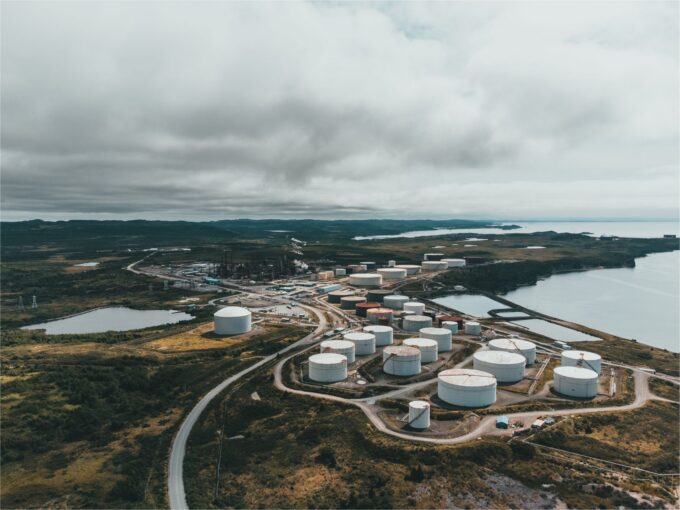
G7 Announces Immediate Release of 100 Million Barrels of Oil in Response to Trump Threat
The G7's decisive action to release oil underscores the geopolitical tensions surrounding...
2 Mins read



Trump Promises Nearly $100 Cash Giveaway to Seniors
The former president's latest initiative aims to support 20 million seniors, raising...
1 Mins read

Leave a comment