
Gen Z Protests Erupt in India Over Voter Roll Changes
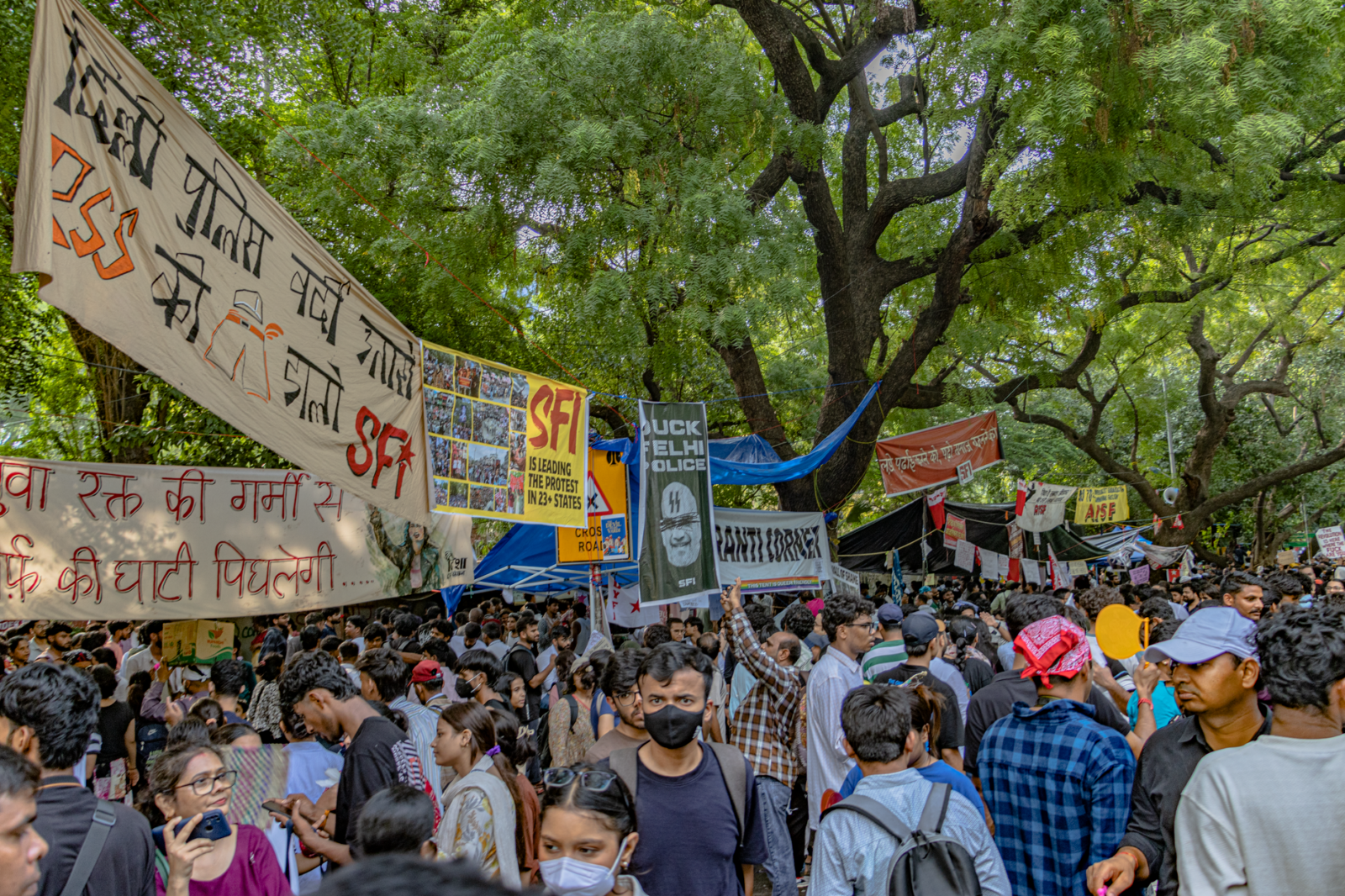
NEW DELHI — October 3, 2026
In a significant display of political engagement, Indian police detained several individuals during protests led by Gen Z against recent changes to voter roll regulations. These protests, which erupted across various cities, underscore the growing activism among younger generations concerning electoral integrity and democratic participation.
The protests began on October 2, 2026, in response to the Election Commission of India’s announcement regarding modifications to the voter registration process. Critics argue that these changes could disenfranchise a substantial number of young voters, particularly those who are first-time registrants. The protests have been characterized by slogans demanding transparency and fairness in the electoral process, reflecting a broader concern about the future of democracy in India.
Directly involved in these protests are members of the Gen Z demographic, aged approximately 18 to 25, who have increasingly utilized social media platforms to organize and mobilize. The protests have been reported in major urban centers, including New Delhi, Mumbai, and Bengaluru, where large crowds gathered to voice their dissent. The police response has been swift, with reports indicating that several demonstrators were detained for violating public order regulations.
The trigger for these protests appears to be a combination of the recent voter roll changes and a growing sentiment among young people that their voices are not adequately represented in the political arena. The Election Commission’s decision to streamline voter registration has been criticized for potentially complicating the process for new voters, particularly in a country where youth participation in elections is crucial for shaping future policies.
Significant interests are at stake, including the integrity of the electoral process and the representation of younger voters in a rapidly changing political landscape. The current government, led by Prime Minister Narendra Modi, has faced scrutiny over its handling of democratic institutions, and these protests may further amplify calls for electoral reform.
This story is receiving heightened attention now due to the increasing visibility of youth-led movements in India, which have gained momentum in recent years. The protests not only highlight the political engagement of Gen Z but also raise questions about the future of democratic processes in the country.
Locally, these developments could lead to increased pressure on the government to reconsider the changes to voter registration. Nationally, they may spark a broader dialogue about youth representation and electoral reforms. Regionally, the protests could inspire similar movements in neighboring countries where young populations are also advocating for democratic rights.
Looking ahead, it is plausible that the government may respond to these protests by engaging in dialogue with youth leaders or revisiting the proposed changes to the voter registration process. Additionally, if the protests continue to gain traction, they could influence upcoming elections and the political landscape in India, potentially leading to a re-evaluation of policies affecting young voters.
Source: Hamro Patro







Mass Protests Erupt Across Spain Over Housing Crisis
Tens of thousands of Spaniards took to the streets on October 3,...
 2 Mins read

Trump Announces $90 Checks for Seniors Amid Political Landscape Shift
The former president's promise of $90 checks for 20 million seniors could...
2 Mins read
Trump Proposes $100 Checks for Seniors Under Medicare
The former president's promise could reshape Medicare benefits for millions of seniors...
2 Mins read



Trump Promises $90 Checks to 20 Million Medicare Seniors
The former president's proposal aims to provide financial relief to seniors, potentially...
2 Mins read

Leave a comment