
Mass Protests Erupt Across Spain Over Housing Crisis

MADRID — October 3, 2026
Tens of thousands of protesters gathered in cities across Spain today, voicing their frustration over the escalating housing crisis that has left many citizens struggling to afford basic shelter. This widespread demonstration reflects a growing public outcry for government intervention and policy reform to address the dire state of housing in the country.
The protests occurred in major urban centers, including Madrid, Barcelona, Valencia, and Seville, where demonstrators marched through the streets holding banners and chanting slogans demanding affordable housing solutions. Organizers estimated that the turnout reached over 100,000 participants nationwide, marking one of the largest mobilizations on this issue in recent years.
The immediate trigger for these protests stems from a combination of soaring rental prices, stagnant wages, and a lack of available affordable housing. According to recent reports, rental prices in major cities have surged by over 30% in the past two years, while average salaries have not kept pace, leading to a significant affordability gap for many residents.
Key stakeholders involved in this crisis include the Spanish government, local municipalities, and real estate developers. Critics argue that government policies have favored property developers and investors, exacerbating the housing shortage and pushing prices beyond the reach of average citizens. The current administration, led by Prime Minister Pedro Sánchez, has faced increasing pressure to implement measures that would stabilize the housing market and ensure access to affordable housing for all citizens.
The protests are receiving heightened attention now due to the approaching municipal elections scheduled for May 2027, where housing is expected to be a pivotal issue. The public’s growing discontent with the government’s handling of the crisis could significantly influence electoral outcomes, prompting political parties to address housing more aggressively in their platforms.
This development matters not only locally but also nationally, as it highlights broader socio-economic issues affecting Spain, including income inequality and the impact of the COVID-19 pandemic on the housing market. The protests serve as a barometer of public sentiment and could lead to significant policy changes if the government responds to the demands of its citizens.
Looking ahead, the Spanish government may be compelled to introduce emergency measures to address the housing crisis, such as rent controls or increased funding for affordable housing projects. Additionally, ongoing public pressure could lead to a reevaluation of existing housing policies and a push for more sustainable urban development practices. As the situation evolves, the government’s response will be critical in shaping both public trust and the political landscape leading up to the elections.
Source: Reuters










Trump Announces $90 Checks for Seniors Amid Political Landscape Shift
The former president's promise of $90 checks for 20 million seniors could...
 2 Mins read
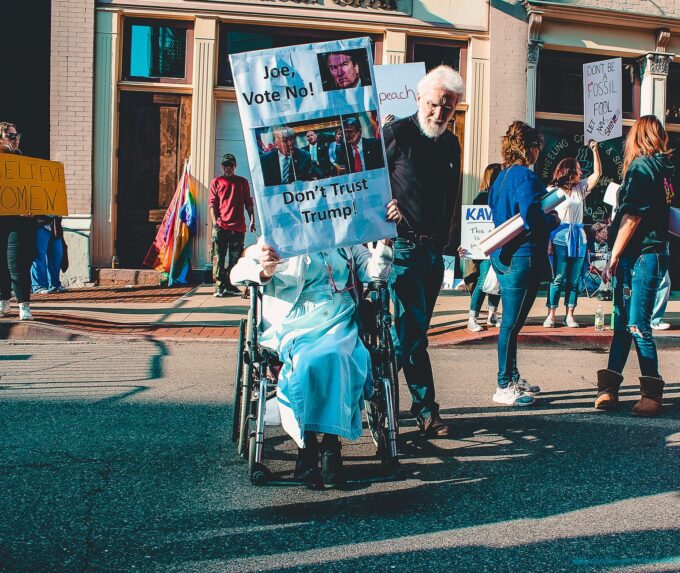
Trump Proposes $100 Checks for Seniors Under Medicare
The former president's promise could reshape Medicare benefits for millions of seniors...
2 Mins read

Trump Promises $90 Checks to 20 Million Medicare Seniors
The former president's proposal aims to provide financial relief to seniors, potentially...
2 Mins read
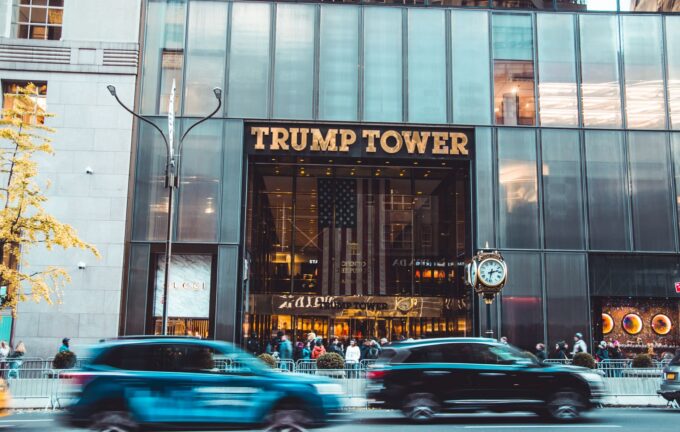


Trump Confirms Travel Plans to Battleground States Ahead of Midterms
The former president's strategic campaign tour could significantly influence the upcoming elections.
2 Mins read

Leave a comment